ISLAMABAD – Pakistan’s prolonged political crisis is entering potentially more consequential phase as the federal government faces mounting pressure over Khyber Pakhtunkhwa, while questions are increasingly being raised about whether the political fallout could eventually spread to Punjab and Sindh.
🚨
خیبرپختونخواہ کے بعد پنجاب اور سندھ میں بھی گورنر راج یا ایمرجنسی نافذ کرنے کی تیاریاں۔۔۔منصور علی خان نے بڑی خبر سے دی۔ https://t.co/rqiBOe6UtQ— Shehzad Ali Raja (@RajaShehzadAli) October 5, 2026
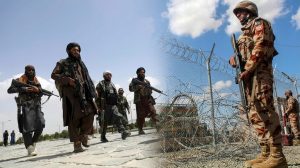
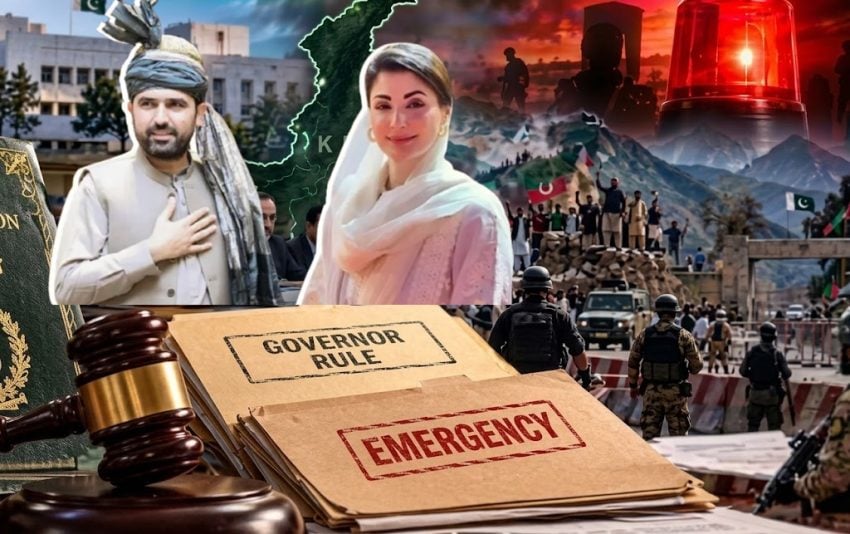
The immediate constitutional debate is centred on Khyber Pakhtunkhwa, where the federal government has openly discussed the possibility of emergency measures or Governor’s Rule amid deteriorating security conditions and escalating confrontation with the PTI-led provincial government. Federal Parliamentary Affairs Minister Tariq Fazal Chaudhry said the government was seriously considering an emergency in KP, while other reports have indicated that several constitutional options are being examined.
Punjab No Longer the Comfort Zone?
For now, there is no confirmed decision to impose Governor’s Rule or emergency in Punjab or Sindh. The documented debate remains concentrated on KP. But the political question is becoming increasingly difficult to ignore: If extraordinary constitutional measures are ultimately used in Khyber Pakhtunkhwa, could the political consequences extend beyond KP , bringing Punjab and Sindh into this
For the moment, the government appears to have both confrontation and dialogue available as possible routes. The direction Pakistan takes could depend heavily on whether the current political standoff is resolved at the negotiating table or allowed to widen into a broader provincial confrontation.
Journalist Mansoor Ali Khan said PML-N government previously enjoyed a comparatively stable political environment, but emerging debate over new provinces and administrative restructuring has added another layer of uncertainty. The issue gained momentum in recent months. PML-N leaders maintained that the question of new provinces should be debated and decided through Parliament, while other political figures have called for major changes to Pakistan’s administrative structure.
That debate could become particularly sensitive in Punjab because any discussion about new provinces inevitably raises questions about the province’s existing political and administrative boundaries.
The central question being raised by political commentators is therefore whether developments that begin with KP could eventually create pressure for political intervention elsewhere.
Sindh presents another key dimension because federal government’s relationship with its PPP allies remains central to any major constitutional move.
PPP Chairman Bilawal Bhutto Zardari has said that the federal government had been prepared to impose emergency or Governor’s Rule in KP, but that the PPP advocated pursuing a political solution instead. That position shows a crucial factor as political negotiations remain a possible alternative to direct constitutional intervention.
If tensions continue to escalate, however, questions about the consequences of using extraordinary constitutional measures in one province could inevitably fuel debate about political stability across the federation.
The critical question for the government is whether confrontation will continue or whether the parties will return to negotiations.
PPP has publicly emphasised dialogue, while the federal government has so far kept multiple constitutional options on the table in relation to KP. Reports also indicate that the government previously held off immediate action to give PTI another opportunity to de-escalate the situation.