LAHORE – The deaths of two women, who were detained at Township Police Station, have taken a new turn after police received post-mortem reports declaring both deaths natural, while footage and allegations from the families continue to raise questions about what happened to the women while they were in custody.
The post-mortem reports found no signs of physical violence on either woman’s body and attributed both deaths to heart attacks. The findings come amid intense scrutiny over the deaths of Anmol and Aamna, who, according to their relatives and the report, were taken into custody at Township Police Station.
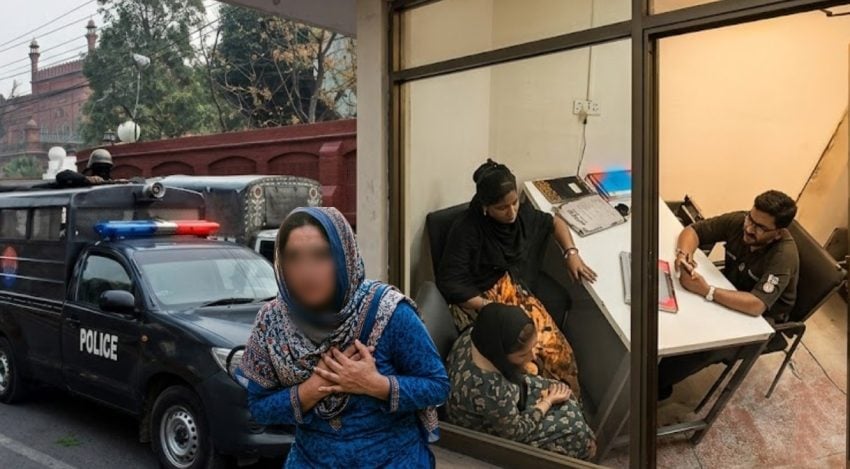
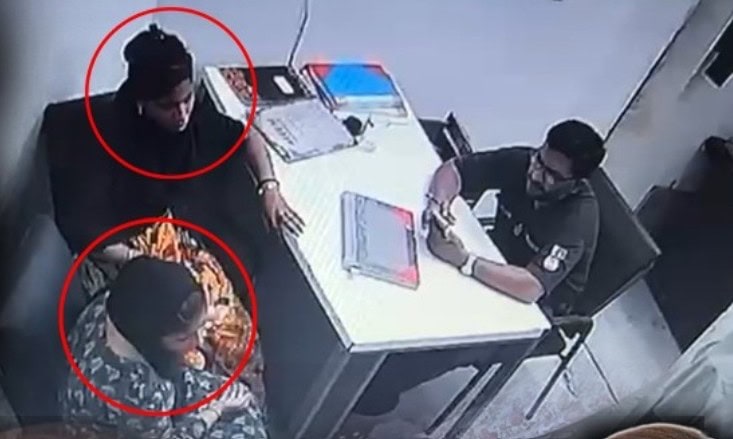
A clip of this also surfaced online, showing two women inside the police station on August 4, and to everyone’s surprise, both were in normal condition. In the video, they can be seen speaking with police officers.
The footage has become a key point of contention for the families, who questioned how the women could have appeared healthy and responsive shortly before their deaths. Police reportedly initially told the media that the women had died after a drug overdose. Their relatives have strongly rejected that account.
The family said it was not initially informed that the women passes away. Instead, relatives allege that they were contacted and told that the women had been detained in connection with a theft case and that arrangements should be made for their bail.
The family claims it was later informed that both women had died and that their bodies had been taken to Jinnah Hospital.
Relatives who identified the bodies have alleged that they observed blood around the nose of one woman, torn clothing and marks on the bodies. These claims prompted the family to question whether the deaths involved physical violence and whether the circumstances of the women’s detention had been properly investigated.
The allegations, however, conflict with the post-mortem findings reportedly received by police, which state that there were no indications of physical assault and that both women died naturally from heart attacks.
The case triggered questions about the treatment of women inside the police station. According to report, the August 4 footage allegedly shows the women interacting with male police officers. Their relatives have questioned the presence and role of male officers, arguing that applicable police rules restrict male personnel from investigating women.
The family has also questioned why medical examinations were allegedly not conducted at an earlier stage if police suspected that the women had consumed drugs or were under the influence of narcotics.
For the relatives, the apparent condition of the women in the footage is central to their concerns. They argue that the video shows both women alert and apparently well shortly before their deaths, and therefore want the circumstances between their detention and deaths to be independently examined.
The relatives have also raised allegations about the handling of the bodies after death. They claim the post-mortems were conducted while the bodies remained under police control and that family members were not allowed to properly examine or wash the bodies themselves.
The family further alleges that a heavy police contingent accompanied the bodies to Pakpattan and that relatives were pressured to carry out the burials during the early hours of the morning. These claims have added another layer of controversy to a case already marked by conflicting accounts of how the women died.
The women reportedly belonged to nomadic and underprivileged community, with their families living in difficult socioeconomic conditions and lacking adequate shelter and basic facilities.
The deceased relatives called for independent and impartial investigation, saying the circumstances surrounding the women’s detention, deaths, post-mortems and burials must be thoroughly examined.
The questions now concern what happened between the women’s detention and their deaths, whether proper medical care was provided, how their deaths were investigated, and whether all procedures governing the detention and treatment of women were followed.
The allegations made by the family remain unproven and are disputed by the reported post-mortem findings. Any definitive conclusion regarding the circumstances of the deaths or possible responsibility should therefore be based on an independent investigation, forensic evidence, video footage, medical records and the relevant legal proceedings.
Mir Raza’s Post-Mortem reveals Multiple pre-Death injuries, Gunshot Wound