ISLAMABAD – If you are planning to instal solar panels in 2026, expecting to save on electricity bills and even earn from the extra power you generate. That was the promise of net metering in Pakistan. But now, NEPRA changed everything.
With the newly notified Prosumer Regulations, 2026, net metering is no more, and is replaced by a net billing system. Millions of solar users, including homeowners, farmers, and industries, are suddenly facing a new reality, where surplus electricity will no longer directly offset their bills, but will be bought at a regulated national rate.
National Electric Power Regulatory Authority (NEPRA) officially ended net metering system and replaced it with a net billing regime by notifying Prosumer Regulations, 2026. The decision has stunned solar consumers across the country, as the new rules will also apply to those who already have net metering contracts, despite earlier assurances from the government that existing users would be protected.
The notification follows public hearing held on February 6, 2026, where domestic and industrial consumers strongly opposed the proposed changes. However, the regulations, previously circulated in draft form, were enforced without any amendments, drawing sharp criticism of NEPRA for what consumers described as unusual haste. The regulator, whose independence has already been questioned, now faces renewed scrutiny for issuing the pre-framed rules immediately after the hearing.
Under the new framework, net metering has been completely abolished and replaced with net billing, redefining electricity consumers as “prosumers.” These include homeowners with rooftop solar panels, farmers running biogas plants, and industrial units operating wind turbines. Any clean energy facility with a capacity of up to one megawatt qualifies under the regulations.
The participation comes with strict and detailed approval process. Interested individuals must apply to their respective electricity distribution companies (Discos), which are required to provide guidance, supply application documents free of cost, and process requests transparently and within specified timelines. For larger systems, technical and grid impact studies may be conducted to ensure the distribution network can safely absorb additional power.
Disco evaluates whether the proposed system can be safely interconnected with the grid. If interconnection is deemed unfeasible, the applicant must be informed with reasons. Upon approval, both parties enter into a formal agreement, officially recognizing the applicant as a prosumer.
Before electricity can be supplied to or exported into the grid, NEPRA must issue formal concurrence to confirm compliance with national safety, technical, and legal standards. If a prosumer fails to proceed within a reasonable time after receiving concurrence, a fresh application may be required.
Agreements under the new system are valid for five years and may be renewed by mutual consent. Either party may terminate the agreement with proper notice and regulatory approval, though all accrued rights and obligations remain legally binding.
The regulations impose strict technical and safety standards to safeguard grid stability. Voltage and frequency levels must remain within prescribed limits, protective equipment must be installed, and manual disconnect switches must be available for emergency isolation. Discos retain the authority to temporarily disconnect systems if safety risks or grid interference are detected.
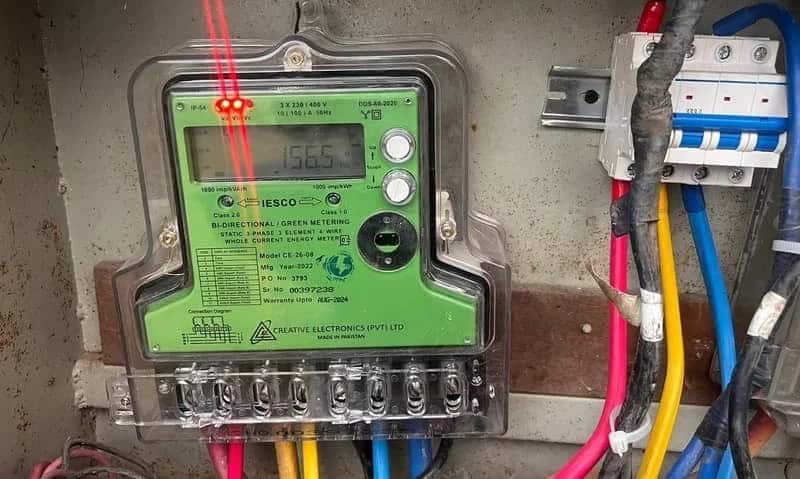
Metering requirements mandate accurate measurement of electricity flow in both directions. Whether a single bi-directional meter or two separate meters are used, calculated energy values must remain equivalent. Meter readings will preferably be conducted through handheld units or automated systems, as directed by the Authority.
With the enforcement of the Prosumer Regulations, 2026, the NEPRA (Alternative & Renewable Energy) Distributed Generation and Net Metering Regulations, 2015 have been repealed. While existing agreements will remain valid, billing will shift to the net billing mechanism.
Bad News for Solar Users as LESCO slashes Net Metering Rates from January 2026