
TEHRAN – Strait of Hormuz crisis returned to center stage as Iran and US remain at loggerheads in tense negotiations with no clear breakthrough in sight. As talks continue with mediation of Pakistan, Iranian officials said a final deal is still far away, with major differences unresolved.
Iran issued stark warning that the strategic Strait of Hormuz will remain closed unless the US lifts its naval blockade on Iranian ports, escalating fears of renewed disruption to global energy supplies.
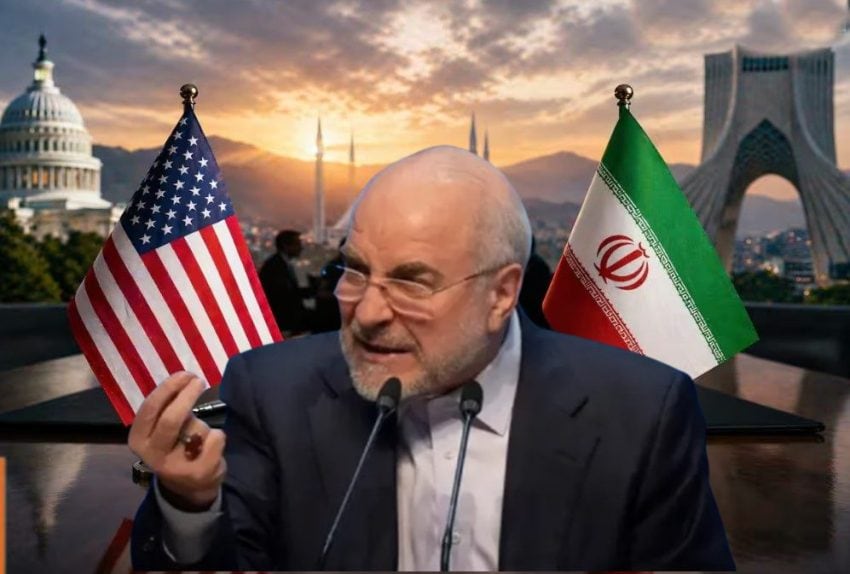
Iran’s parliament Bagher Ghalibaf said discussions have made “some progress,” major disagreements remain unresolved. He stressed that the sides are still “far from the final discussion,” and that a lasting peace agreement is not yet in sight. A fragile two-week ceasefire is also set to expire on Wednesday unless extended.
US President Donald Trump said negotiations with Iran are ongoing and called them as “very good conversations,” but he issued sharp warning against what he called attempts by Tehran to “blackmail” the United States. He added that Washington is maintaining a firm position as talks continue.
Strait of Hormuz briefly reopened after a ceasefire linked to wider regional developments involving Iran’s allies, triggering immediate relief in global markets and a sharp drop in oil prices. The situation quickly reversed as US insisted that its blockade of Iranian ports would remain in place until a broader agreement is reached. In response, Iranian officials said the waterway could once again face restrictions.
Ghalibaf warned that if the US does not lift the blockade, “traffic in the Strait of Hormuz will definitely be limited,” raising alarm over potential disruption to one of the world’s most critical oil and liquefied natural gas routes.
Tensions escalated further as Iran’s Revolutionary Guards issued direct warning that any vessel attempting to pass through the strait without authorization would be considered aligned with hostile forces and could be targeted. Maritime monitoring groups reported chaotic conditions in the waterway, including tankers retreating, disrupted crossings, and reported threats against civilian vessels.
Meanwhile, Pakistan and Egypt are optimistic that a final agreement could be reached within days. However, two major sticking points continue to block progress: Iran’s stockpile of near-weapons-grade enriched uranium and the future control of the Strait of Hormuz.
President Trump claimed Iran had agreed to hand over roughly 440 kilograms of enriched uranium, saying US would retrieve it “with excavators.” Iran’s foreign ministry strongly rejected this, insisting the stockpile, believed to be buried after US strikes during last year’s 12-day war, would not be transferred anywhere and was never part of negotiations.
Iran’s supreme leadership also reinforced a defiant stance, saying the country’s navy stands ready to confront the United States if necessary.
US–Iran talks in Islamabad getting delayed amid fresh tensions?