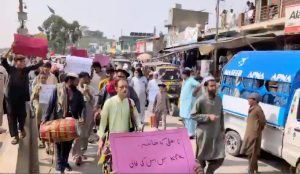

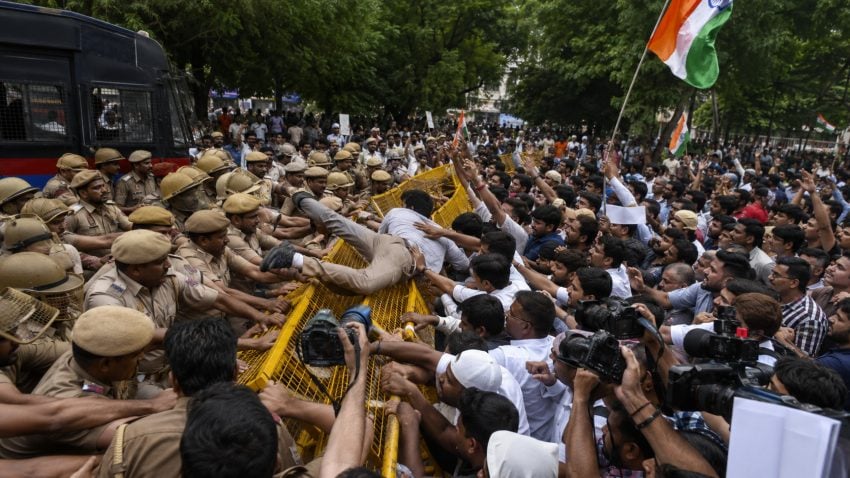
Delhi has seen this before, but not quite like this. This Monday it was the Cockroach Janata Party’s “Chalo Sansad” march — thousands of young people, many of them students, walking toward Parliament with one demand loud enough to cut through the noise: accountability for student deaths, and the Education Minister’s head on a platter. By the time they reached Raisina Road, Delhi Police had other plans. Barricades went up, tear gas came out, lathis swung, and organiser Abhijeet Dipke was hauled off in detention. Sonam Wangchuk, whose hunger strike had already made headlines for weeks, remained the movement’s emotional centre of gravity even as questions about his health added another layer of tension.
None of this is new, exactly. JNU’s fee-hike protests in 2019, the anti-CAA marches that followed soon after — Indian campuses have a long, tired habit of being the place where the country’s frustrations show up first and loudest. What feels different this time is the word protesters keep reaching for: accountability. Not sympathy, not attention — accountability. That’s not a request for someone to care. It’s an accusation that someone specific failed to do their job, and a demand that they answer for it. Coming from a generation that grew up watching institutions shrug off tragedy after tragedy, that shift in language says something on its own.
The government’s response deserves a fair hearing too, even from people inclined to side with the protesters. Delhi Police didn’t invent the rulebook here — no permission had been granted for the assembly, and prohibitory orders near Parliament during a live session aren’t unusual anywhere in the world. A government can reasonably argue it was managing a security risk, not punishing dissent. That argument doesn’t evaporate just because the optics were ugly. But it also doesn’t fully explain the speed of the crackdown, or why tear gas showed up before anyone seriously tried talking. Critics aren’t wrong to notice that pattern, and to wonder whether the discomfort here was less about crowd control and more about a minister being named and shamed in public.
Both things can be true at once, and pretending otherwise flattens what actually happened. States get to regulate protest near sensitive buildings. Citizens also get to be furious when the normal channels — petitions, press conferences, question hour — keep producing nothing. India’s democracy has been running on that exact friction for decades; this march is just the latest turn of the wheel.
What’s harder to pin down right now are the specifics — how many were hurt, what set things off first, who’s responsible for what. Those details tend to firm up over the following days, and it’s worth resisting the urge to lock in a version of events before they do.
What isn’t hard to see is the pattern underneath it: young Indians still treat the street as fair political territory, not just the ballot box. Whether that reads as a democracy staying alive or one under real strain probably says less about this one march and more about how much faith you already have in the institutions it’s aimed at.