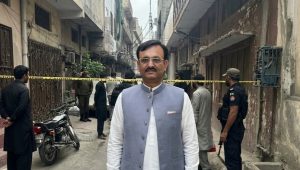
ISLAMABAD – Federal Interior Minister Mohsin Naqvi has called for sweeping structural reforms in Pakistan, warning that the country’s decades-old governance model collapsed as he urged creation of new administrative units or provinces before growing frustration among young people spirals out of control.
Speaking at Pakistan’s first Economic Summit, Naqvi said the country’s existing system failed to deliver for decades and argued that simply continuing with the same model would not solve Pakistan’s deep-rooted political and economic challenges.
He said traders and business leaders from across Sindh, Punjab, Balochistan, KP and other regions highlighted not only their business concerns but also the governance failures holding the country back. According to the interior minister, everyone responsible for Pakistan’s current state knows the problems, yet meaningful reforms have never been pursued.
Naqvi was of view that democracy must continue but insisted there are multiple democratic governance models and Pakistan should not remain tied to a system that has failed to deliver. He said the country continues importing billions of dollars worth of agricultural products, including wheat, despite being an agricultural nation, describing ongoing government efforts as nothing more than “firefighting” without structural reforms.
Calling for major constitutional and administrative changes, Naqvi proposed creating new administrative units or provinces to decentralize power, saying ordinary citizens need direct access to their governments, faster justice and better public services. He argued that unless new units are established with greater responsibility and fresh leadership, Pakistan’s longstanding problems will persist.
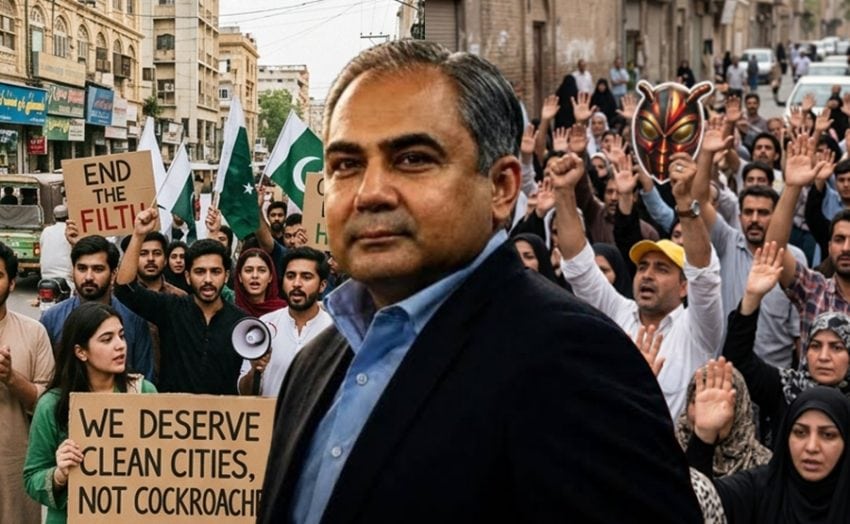
In one of the strongest remarks of his speech, Naqvi warned that ignoring the country’s youth could have serious consequences.
“Call them youth or call them cockroaches, whatever you like, but if they unite, they can overturn everything,” he said, urging authorities to address their aspirations before frustration boils over.
He said young Pakistanis are not demanding tablets or small monthly stipends but want merit-based jobs, justice, equal opportunities and transparent recruitment. According to Naqvi, many of them have the potential to earn between $2,000 and $4,000 per month if provided with the right opportunities.
The interior minister raised questions at Pakistan’s fiscal model, saying federal government begins every budget by calculating how much more debt it must borrow instead of fixing the underlying system. He maintained that political parties, coalition partners and stakeholders are fully aware of these structural weaknesses but continue relying on borrowing rather than reform.
He urged all political parties to sit together, even if it takes months, to resolve key national issues, including administrative restructuring, governance reforms and institutional weaknesses. Without such consensus, he warned, seminars and speeches alone would never change Pakistan’s trajectory.
He also called on business community to play a more direct political role, saying businessmen readily finance politicians but often avoid entering politics themselves. He urged them to step forward and become part of the decision-making process instead of remaining on the sidelines.
Pakistan needs new administrative units to fix broken system: Mohsin Naqvi