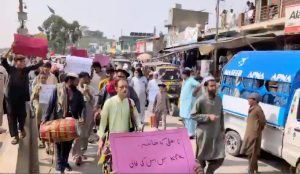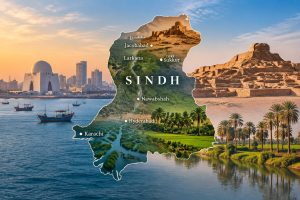
Talk to people across Sindh and you will notice something. Almost everyone agrees on this one thing, even if they agree on nothing else. They want new provinces. In Karachi, you will struggle to find someone against it. Across the rest of Sindh too, most people are on board. Only a small group pushes back, and their favourite line is that this will “break” Sindh. I think that line does not hold up once you actually look at it. Nobody is talking about erasing Sindhi language or culture. This is about dividing administration, not identity.
So let’s talk about what the current setup has actually given us. Between 2001 and 2017, Sindh approved 133 development schemes worth more than Rs114 billion. Fast forward to 2025, and the Public Accounts Committee is still meeting to ask the Planning and Development Department why these projects are not finished yet. The Auditor General’s 2024 to 2025 report pointed out procurement irregularities, weak internal controls, sloppy record-keeping, and departments that could not even hand over their audit records when asked. PPHI Sindh’s audit flagged medicine purchases worth hundreds of millions of rupees. In one year, education spent just 62% of the funds it was given, health spent 52%, and the environment sector spent only 31%. In 2025, the PAC had to ask for basic spending details on a Rs120 billion district development programme because the deputy commissioners in the room could not explain where the money went. This is not me making things up. It is right there in Sindh’s own audit reports.
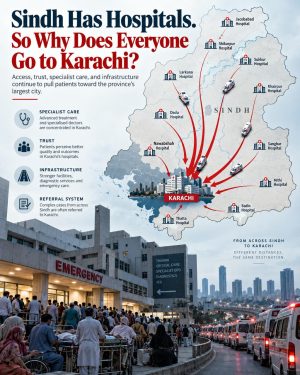
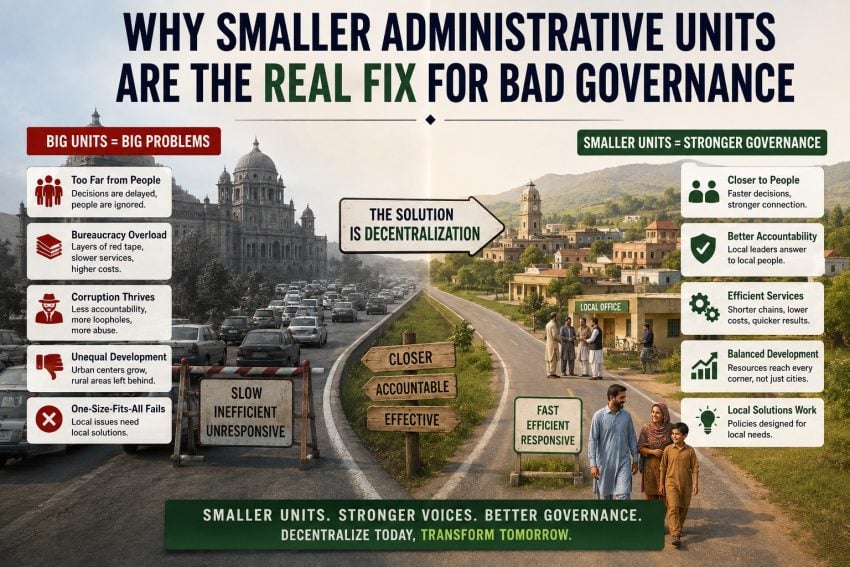
And that is really the point. It is not about identity; it is about distance. There is a real distance between the secretariat in Karachi and a village in upper Sindh still waiting on a water scheme that was promised years ago. There is a distance between a line item in a budget and the person who is supposed to benefit from it but never does. Smaller units would mean development money gets planned around what an area actually needs, not guessed at from far away. Schools, hospitals, water, drainage, garbage collection- all of it becomes easier to keep an eye on when the office responsible for it is close by instead of hours away. People would not need to travel across the whole province just to fix a land record. New administrative centres also bring government offices, jobs, and investment to places that currently only see that around one city. And people simply get a more direct say in decisions that affect their own district.
Here is the thing about the 10% who oppose this. Very few of them will tell you Sindh’s governance is working fine right now. What they are really worried about is losing ikhtiyar, their authority. Splitting a province does spread out political power, and that is exactly why some people in power do not want it. Fewer captive vote banks, less of a tight grip. But that is their problem, not a real argument against better governance. It should not be enough to override what the majority actually wants: hospitals that work, drains that get cleared, taxes that go somewhere visible.
None of this needs to happen overnight either. Pakistan has done this before. Khyber Pakhtunkhwa itself was carved out of Punjab back in 1901. It can be done step by step, starting with regional court benches and secretariat offices, long before anything becomes a full province, with a referendum available if people want the constitutional route. Sindh does not have to pick between staying united and being well run. It can have both, once it stops confusing the shape of the map with how well the place actually works.