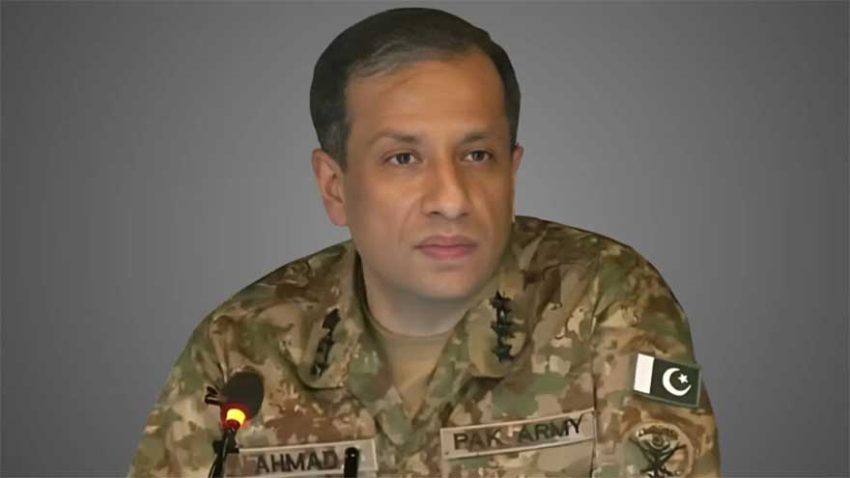
ISLAMABAD – Director General of Inter-Services Public Relations (ISPR) Lieutenant General Ahmed Sharif Chaudhry slammed powerful Baloch sardars for using terrorism, smuggling and fear to protect their interests and seek a share in funds worth over Rs1 trillion, saying that time of appeasement was over and the state would stand with the people of Balochistan, not vested elites.
In press conference on security landscape, ISPR Director General alleged that some of tribal chiefs had turned terrorism into tool of political and financial blackmail, threatening unrest whenever their demands were not met. “They say, ‘Give us our share, otherwise there will be terrorism,'” Lt Gen Chaudhry claimed, alleging that influential Sardars sought a stake in state resources and even wanted a share in the Pakistan Army’s budget.
DG ISPR alleged that tribal elite had no genuine concern for people of Balochistan and were instead focused on preserving a system that enabled them to accumulate wealth and retain power. He claimed that several Sardars were directly linked to terrorist activities while simultaneously profiting from the smuggling of diesel and narcotics under the cover of commercial businesses.
The same influential figures also sought control over Levies Force salaries and other public resources, calling these demands as part of a broader effort to maintain their political dominance and financial influence across the province.
Rejecting the long-held perception that tribal chiefs represent the people of Balochistan, Lt Gen Chaudhry declared that the Sardars were “not the stakeholders of Balochistan” and asserted that the state would not negotiate with individuals whose interests conflicted with those of ordinary citizens. He further argued that the frustration among certain tribal leaders stemmed from the state’s refusal to continue what he described as decades of appeasement and preferential treatment.
“They are asking why they are no longer being appeased, why their feet are no longer being touched,” he remarked, accusing the tribal elite of resisting reforms that challenged their entrenched influence.
The military spokesperson maintained that Balochistan’s challenges could not be addressed by empowering what he called a privileged elite, insisting instead that lasting peace depended on dismantling networks that, according to him, had exploited the province through violence, intimidation, smuggling, and patronage.
Chaudhry reiterated that Pakistan’s security forces would continue pursuing terrorists and their alleged facilitators, stressing that the state’s commitment remained focused on protecting the people of Balochistan and defeating militancy in all its forms.
‘Riyasat Hai Tau Siasat Hai’: DG ISPR urges all Pakistanis to put ‘State First’