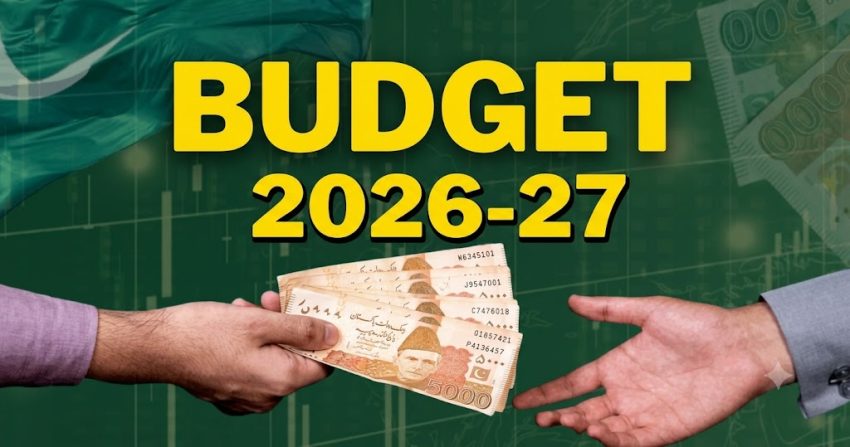
ISLAMABAD – Pakistan is expected to present its Budget 2026–27 next week at time when public anxiety is rising over a possible new wave of inflation. Reports of fresh taxes under IMF-backed reforms have added to concerns in an already strained economy, where households are still dealing with high prices and reduced purchasing power.
The situation is further complicated by recent global and regional tensions, including US–Iran conflict-related disruptions that pushed fuel prices higher, fueling fears that another round of cost increases may follow the new budget announcement.
Summarized Table: Expected Price Impacts in Pakistan Budget 2026–27
| Category | More Expensive | Relief |
| Fuel – Energy | Petrol, Diesel, higher Petroleum Levy & Carbon Levy. Electricity & Gas tariffs (subsidy rationalization) | —- |
| EV Vehicles | Solar Panels (18%) GST, Electric Vehicles (EV) (GST 1% → 18%) Hybrid Vehicles (GST up to 18–25%) | Some reports suggest possible incentives for local EV/hybrid assembly |
| Imported Goods | Many consumer goods, raw materials (higher customs/regulatory duties, sales tax) | Industrial raw materials & inputs (tariff reductions planned) |
| Taxes on Individuals | General cost of living (indirect taxes & ripple effects) | Salaried class (higher exemption threshold + lower slabs expected) |
| Business | Advance taxes, withholding on supplies/contracts | Exporters & export sectors (possible advance tax relief + incentives) |
| Other | Overall inflation pressure from energy/fuel | Government salaries/pensions (modest increase expected) BISP for low-income (higher stipends) |
In latest talks, IMF told Pakistan’s budget negotiatiors toward sweeping reduction in import-related taxes that could reshape prices across multiple sectors in the upcoming fiscal year. The new budget may bring relief in regulatory duties, additional customs duties, and import tariffs on a wide range of goods as part of a broader National Tariff Policy aimed at aligning with IMF targets and improving industrial competitiveness.
One of the biggest expected changes includes relief on imported vehicles, as well as major duty reductions on raw materials used by export industries, potentially making hundreds of inputs cheaper for manufacturers. The telecom sector is also set for relief, with 5G machinery and equipment likely to see reduced taxation.
The government, on PM’s instructions, already prepared a draft tariff reform plan. Under it, additional customs duty could be reduced across 3,149 tariff lines, while regulatory duty cuts may affect more than 1,900 tariff lines of imported goods.
The restructuring also targets agriculture and industrial production, with expected duty cuts on imported agricultural machinery, equipment, and parts not produced locally. Export-oriented industries are likely to benefit from lower input costs, which could ease production expenses and boost competitiveness.
In a major policy shift, authorities are also considering eliminating the remaining 2% additional customs duty on 518 tariff lines in the 15% slab.
For higher duty categories, further reductions are on the table: the 20% slab covering 2,166 tariff lines may see additional customs duty cut from 4% to 2%, while 468 high-duty tariff lines could be reduced from 6% to 4%.
Pakistani officials said these reforms are designed to meet IMF requirements while making local industries more competitive—but if approved, they could trigger a widespread drop in import costs across the economy, reshaping prices in the months ahead,
‘Double Relief’ likely in Budget 2026–27 for Salaried Class earning Rs1-2 Lac per month