

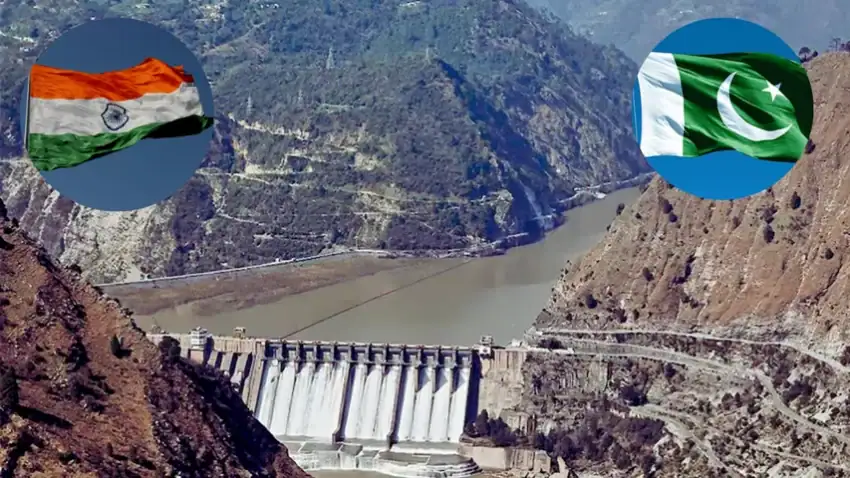
South Asia’s fragile balance has been shaken after India’s controversial move to suspend the Indus Waters Treaty, triggering alarm over a looming water and humanitarian crisis. A leading American journal, The National Interest, has openly supported Pakistan’s position, warning that India’s actions could dangerously escalate regional tensions.
According to the journal, the suspension of the decades-old Indus Waters Treaty marks a serious violation of international norms and risks destabilizing an already volatile region. It highlighted that India’s Dulhasti Stage II hydropower project directly contradicts the spirit and provisions of the treaty, reinforcing concerns that New Delhi is deliberately turning water into a strategic weapon.
The National Interest warned that water scarcity could emerge as one of South Asia’s gravest humanitarian threats if such actions continue. It stressed that India’s decision to withhold critical hydrological data from Pakistan is not only provocative but also a clear breach of international law governing transboundary rivers.
The journal further cited rulings by international arbitration bodies, stating that the Permanent Court of Arbitration has clearly affirmed that India has no legal authority to unilaterally suspend or undermine the Indus Waters Treaty.
Emphasizing the treaty’s broader importance, the article noted that the Indus Waters Treaty serves as a cornerstone of food security across South Asia. Under international law, India remains legally bound to ensure the flow of water from the western rivers to Pakistan.
Concluding its assessment, The National Interest declared that India’s attempt to weaponize water is unacceptable in the eyes of international courts and global legal frameworks, warning that such actions could set a dangerous precedent with far-reaching consequences for regional peace and stability.