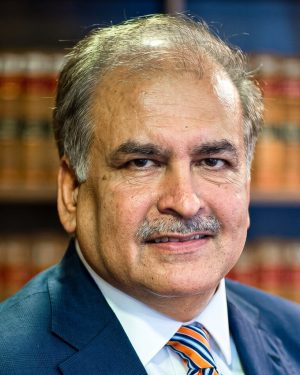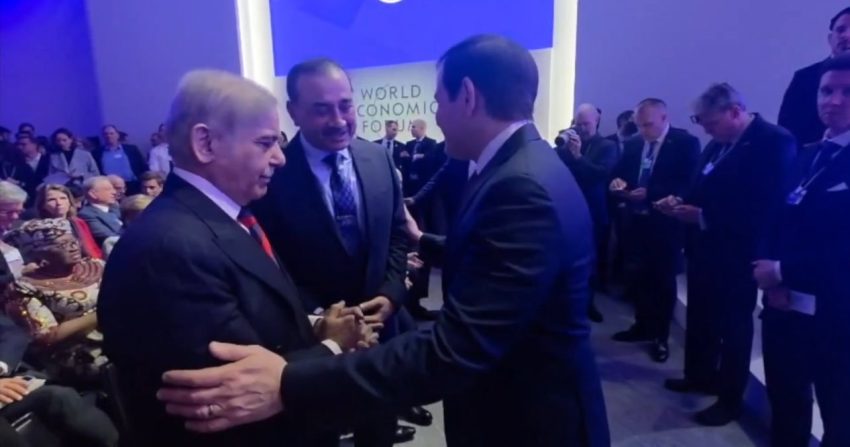
There is often a distinct dissonance at Davos between the high rhetoric of the plenaries and the hard realities of geopolitics. Yet amidst the procession of corporate titans and heads of state this week, a significant realignment of soft power took place with surprisingly little fanfare. Pakistan formally acceded to Donald Trump’s Board of Peace initiative on January 22. This event was not merely a diplomatic signature. It served as a testament to the nation’s evolving role as a mature and indispensable broker in the Muslim world. The buzz in the corridors was less about the document itself and more about the figure credited with orchestrating Pakistan’s entry. That figure is Field Marshal Asim Munir.
Forget the official statements for a minute and look at the real reaction. It’s heavy. Over the last day, the global conversation has shifted in a way I haven’t seen in years. Search trends are spiking across the Muslim world, from Turkey to Bangladesh, because people aren’t skeptical about Pakistan stepping up—they are actually relieved. The public narrative implies that under Asim Munir’s strategic guidance, Islamabad is stepping up to construct peace rather than merely observe conflict.
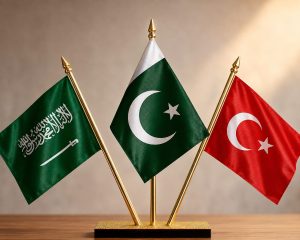
The mandate of this new board is ambitious as it seeks a ceasefire, humanitarian relief, reconstruction, and a viable roadmap to Palestinian statehood. Historically, such initiatives falter due to a lack of enforcement or credibility. This is where Field Marshal Munir’s inclusion changes the calculus. Supporters globally are championing his involvement as a stabilizing force. The high approval ratings coming from Turkey, Saudi Arabia, and Jordan suggest a consensus that Pakistan is finally using its military heft for its highest purpose which is humanitarian stability.
This development naturally raises an uncomfortable and sensitive question for many observers back home regarding the dynamics of the Board. Does this mean Pakistan and Israel will now be working together?
The answer is nuanced but operationally clear. They will interact in the same capacity that they currently do in the halls of the United Nations. Since both nations are now members of the Board, they will inevitably function within the same multilateral framework. This interaction will be indirect and strictly procedural. It will mirror how member states function in the IMF or other global forums where they collaborate on joint decisions regarding budgets, policy frameworks, and peace initiatives without establishing bilateral relations. Pakistan has made it adamantly clear that there are no direct diplomatic ties and no recognition of Israel. Islamabad is there to fight for Palestinian rights within the mechanism of the Board to ensure their voice is heard where the decisions are actually made.
This arrangement offers a distinct positive for the people of Palestine. It is far better to have a fierce advocate with Pakistan’s military and diplomatic weight inside the room vetting reconstruction budgets than to have friends shouting impotently from outside the door. For Pakistan, this creates a new level of strategic depth while deepening ties with Saudi Arabia and Jordan.
There was a lighter moment that cut through the tension of the summit, and honestly, it spoke volumes. During the ceremony, President Trump quipped, asking where his ‘favourite’ Asim Munir was. On TV, it looks like a joke. In the high-stakes game of diplomacy, that kind of rapport is currency. It hints at a relationship that has moved past the freezing cold shoulder of recent years into something much warmer and more workable. Trump clearly recognizes that any serious plan for Gaza’s reconstruction requires Pakistan as an architect.
Critics who once argued Pakistan was drifting into isolation are finding themselves without a talking point today. By securing a seat at this table, Pakistan has integrated itself into a vital network of regional partnerships. This isn’t just about Gaza. It is about Islamabad proving it can be a reliable partner in the complex machinery of global peace. With Munir’s decisive backing, there is growing optimism that this initiative won’t end in deadlocked talks. The consensus emerging from Davos portrays a Pakistan that is confident, diplomatically agile, and morally committed.
Trump spotlights Field Marshal Asim Munir during Davos meeting with PM Shehbaz