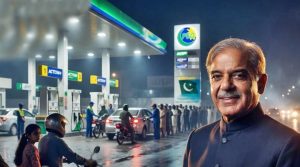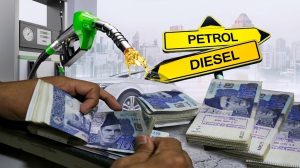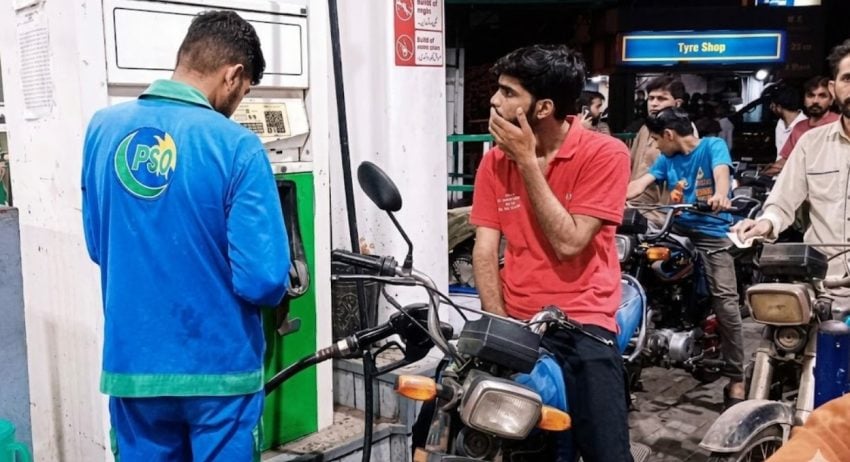
KARACHI – Petrol prices in Pakistan surged to around Rs400 per litre after latest hike, adding further burden on consumers. The increase is largely driven by multiple government-imposed charges, including Customs Duty, Petroleum Levy, Climate Support Levy, inland freight margins, and dealer and company margins.
A detailed breakdown of petroleum pricing revealed the heavy tax burden and multiple charges being passed on to consumers, pushing fuel prices to alarming levels across the country. The government is collecting Rs153.55 per litre on petrol and Rs 116.46 per litre on high-speed diesel, highlighting the massive tax component embedded in fuel prices.
The ex-refinery price of petrol stands at Rs 246.31 per litre, but after the addition of multiple taxes, levies, and margins, the final consumer price has surged to Rs 399.86 per litre.
Taxes on Petrol Price in Pakistan
| Component | Amount per litre |
|---|---|
| Customs Duty | 23.72 |
| Inland Freight Margin | 7.32 |
| Marketing Company Margin | 7.87 |
| Dealer Commission | 8.64 |
| Petroleum Levy | 103.50 |
| Climate Support Levy | 2.50 |
Together, these charges form major part of the final retail price paid by consumers.
The situation is similar for high-speed diesel, where the ex-refinery price of Rs 283.12 per litre rises sharply after taxes and margins are applied. The final price for consumers reaches Rs 399.58 per litre, reflecting the cumulative impact of fiscal adjustments and distribution costs.
The figures show how taxes and levies dominate fuel pricing in the country, leaving consumers to bear the burden of rising petroleum costs.