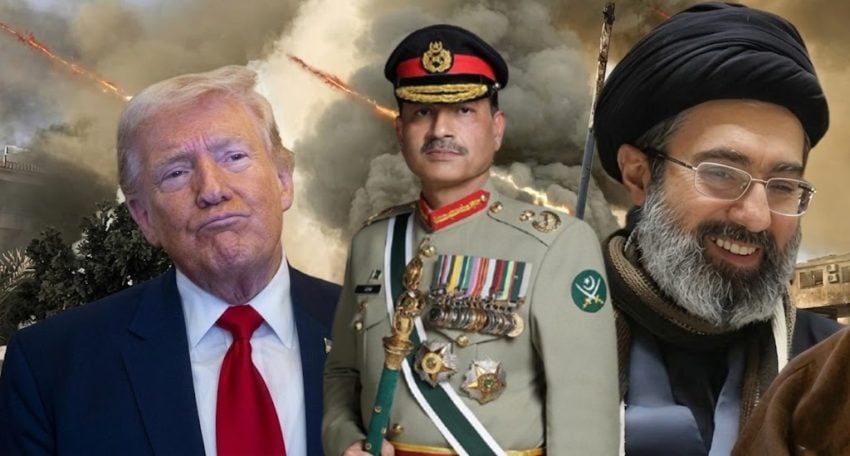
TEHRAN – Chief of Army Staff Field Marshal Asim Munir is heading to Tehran amid intense behind-the-scenes engagement between the two sides.
Interior Minister Mohsin Naqvi also departed for Iran, marking his second visit to the country in just one week, fueling speculation of accelerated backchannel diplomacy amid rapidly evolving regional situation.
The flurry of high-profile visits comes weeks after Islamabad played a mediating role in securing the ceasefire on April 8. However, despite that earlier breakthrough, the influence of the South Asian nation now appears constrained as tensions continue to escalate and rhetoric intensifies on both sides.
With diplomatic space narrowing, Islamabad is reportedly working overtime to keep communication channels open between the involved parties, as concerns grow over the risk of further escalation in an already fragile environment.
Pakistan is maintaining its diplomatic push to ease tensions between two sides, as efforts to revive stalled negotiations continue.
A key round of US–Iran talks was previously held in Islamabad on 11–12 April 2026 under Pakistan’s facilitation. The discussions aimed to strengthen fragile ceasefire and explore broader peace framework but ended without agreement after prolonged negotiations.
Major sticking points included Iran’s nuclear programme, the status of the Strait of Hormuz, and sanctions relief.
After recent breakdown, Pakistan continued to play a behind-the-scenes role by facilitating indirect communication between arch-rivals. Although further rounds of talks were planned, they have been delayed amid rising tensions.
Islamabad earlier helped broker an initial ceasefire on April 8 and since remained engaged through shuttle diplomacy and message exchanges between the two sides. However, despite ongoing efforts, the diplomatic process remains stalled, with Pakistan working to keep channels open and prevent further escalation.
Trump says US will wait for Iran response as deal nears amid Pakistan’s diplomatic efforts