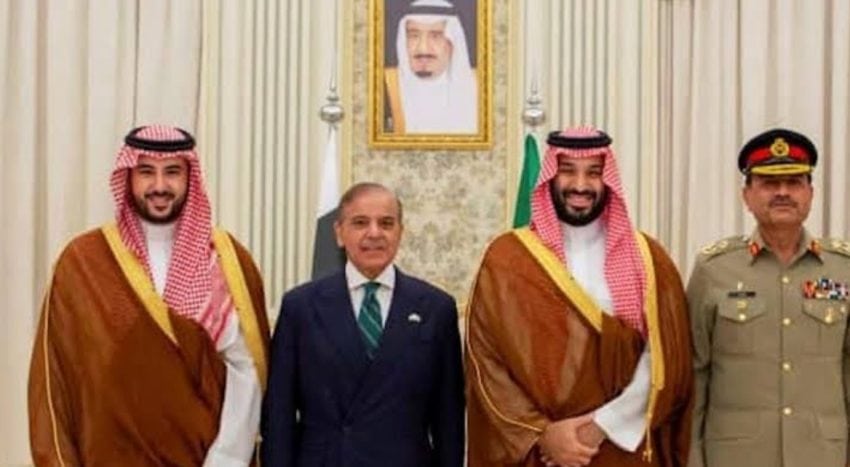
ISLAMABAD – Pakistan reportedly warned Iran that any attack by Iran-backed Houthis on Saudi Arabia would be viewed as an attack on Pakistan, reaffirming its defence commitment to the Kingdom.
The warning follows recent Houthi missile strikes on Saudi Arabia, raising fears of a broader regional escalation and placing Islamabad under growing strategic pressure.
Reports in international media said Senior Pakistani civilian and military leaders conveyed message directly to Tehran, making it clear that Saudi Arabia’s security is now a matter of Pakistan’s own national security, calling it “red line”.
The development comes after Houthi forces launched missiles at Saudi Arabia, accusing Kingdom of bombing an airport under their control. Although the exchange shattered a four-year truce, the confrontation has so far remained limited to a single incident. However, officials fear the situation could quickly spiral into a wider regional conflict.
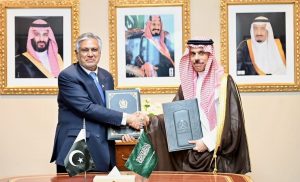
Pakistan’s stance is backed by the mutual defence agreement signed with Saudi Arabia last year. Under pact, both countries pledged to regard aggression against one as aggression against the other, significantly strengthening their military partnership at a time of growing instability in the Middle East.
Islamabad’s concerns extend beyond diplomacy. Pakistani troops are already deployed near Saudi-Yemen border, placing them within range of any future escalation. Security officials are also alarmed by the possibility that intensified Houthi attacks could threaten commercial shipping through the Red Sea, a vital route for Pakistan’s trade and energy imports.
Islamabad facing difficult situation by sudden deterioration in the security situation that prompted attack on KSA. While Islamabad attempted to maintain balanced relations with all regional players, experts believe that strategy may become increasingly difficult if Houthi attacks expand deeper into Saudi territory.
Pak-Saudi defence pact was widely interpreted as a sign that Gulf Arab states were seeking stronger regional security partners amid concerns over the long-term reliability of the United States as their principal security guarantor.
Economic pressures are also driving Pakistan’s diplomatic calculations. The country depends heavily on oil and gas imports from the Middle East, and earlier tensions around the Strait of Hormuz disrupted supply routes, prompting emergency fuel conservation measures, including reduced business operating hours.
Iran’s strike on Sultan Air Base puts Pakistan-Saudi Defense Pact in spotlight