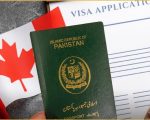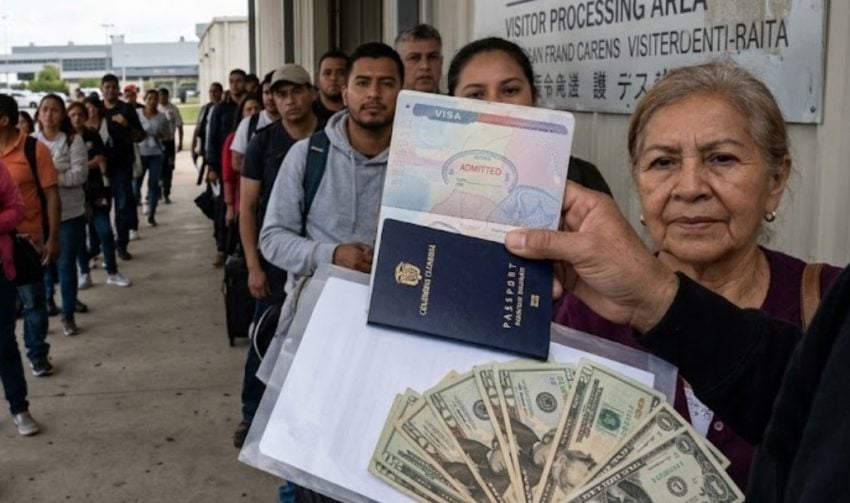
ISLAMABAD – If you are planning a holiday or business trip to US from 50 selected countries, getting the visa may soon feel a lot having big chunk of bank balance for a refundable security deposit of up to $20,000 before you’re allowed to enter.
US State Department made its visa bond programme permanent, allowing consular officers to demand a financial guarantee from applicants seeking B1 (business) or B2 (tourist) visas. But this isn’t a Visa Fee.
A visa bond works more like a security deposit. Applicants who are asked to pay it can get the money back only if they obey the terms of their vis, mainly by leaving US before their authorized stay expires. If they overstay or violate visa conditions, the US government can keep some or all of the bond.
The policy follows 2025 pilot programme, which US officials say successfully encouraged visitors to comply with immigration rules. Concluding that the trial worked, Washington has now turned it into a permanent programme.
The new rule also raises the financial bar. During the pilot phase, bond amounts ranged from $5,000 to $15,000. Under the permanent programme, the minimum $5,000 option has been removed, while the maximum has been increased to $20,000.
Countries under US Visa Bond Programme
- Algeria
- Angola
- Antigua and Barbuda
- Bangladesh
- Benin
- Bhutan
- Botswana
- Burundi
- Cabo Verde
- Cambodia
- Central African Republic
- Côte d’Ivoire
- Cuba
- Djibouti
- Dominica
- Ethiopia
- Fiji
- Gabon
- The Gambia
- Georgia
- Grenada
- Guinea
- Guinea-Bissau
- Kyrgyz Republic
- Lesotho
- Malawi
- Mauritania
- Mauritius
- Mongolia
- Mozambique
- Namibia
- Nepal
- Nicaragua
- Nigeria
- Papua New Guinea
- São Tomé and Príncipe
- Senegal
- Seychelles
- Tajikistan
- Tanzania
- Togo
- Tonga
- Tunisia
- Turkmenistan
- Tuvalu
- Uganda
- Vanuatu
- Venezuela
- Zambia
- Zimbabwe
US authorities say the programme is aimed at reducing visa overstays, arguing that a large refundable deposit gives travelers a stronger financial incentive to return home on time.
Critics said the policy could turn international travel into a privilege reserved for those who can afford to lock away thousands of dollars for the duration of their trip. Immigration advocates also argue that the measure may discourage genuine tourists and business visitors while adding yet another hurdle to legal immigration.
The visa bond programme is part of President Donald Trump’s broader immigration agenda, which has also introduced higher visa-related charges and expanded social media screening for applicants. While the administration says the tougher rules are essential for national security and immigration enforcement, opponents argue they make legal travel to the United States increasingly expensive and difficult.
‘Leave Middle East or Prepare for Possible Evacuation’, US Embassies warn all Americans