RIYADH – The global oil market is flashing fresh warnings as Crude prices jumped more than 3% on the first day of the week, with Brent moving above $107 a barrel, as traders confronted a worrying combination of attacks, shipping threats and a major disruption to Saudi Arabia’s oil infrastructure.
The fear sparked frenzy as if the world were starting to lose access to millions of barrels of crude, and it suddenly became much more urgent as tensions spread across some of the world’s most important energy routes.
Global Oil Prices Today
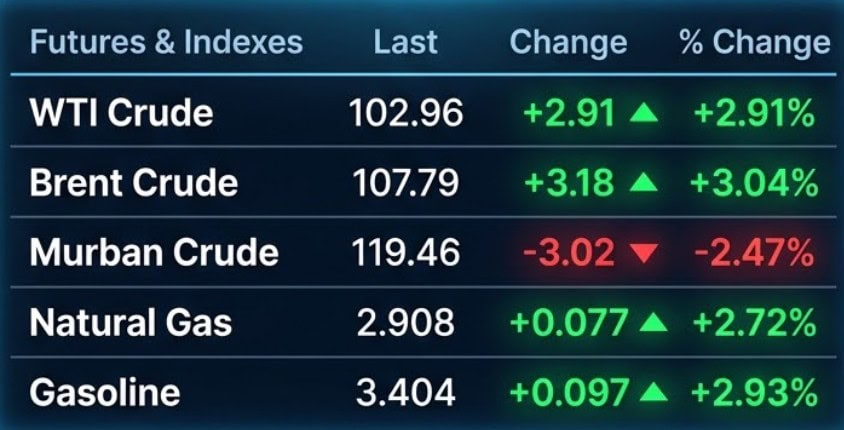
Brent crude climbed $3.34 to $107.84 a barrel, while U.S. West Texas Intermediate rose $3.20 to $103. The move comes after an already powerful week for oil. Crude prices gained around 8% last week, crossing the $100 threshold for the first time since July last year.
Kingdom of Saudi Arabia has shut down its 1,200-kilometre East-West oil pipeline, an important route designed to move crude from Saudi oil fields in the east towards the Red Sea port of Yanbu. The pipeline can handle as much as 7 million barrels a day. Recent volumes have reportedly been around 4 million to 5 million barrels per day, a big chunk of oil supply.
The longer the pipeline remains out of service, the greater the pressure on alternative routes and storage facilities. Stocks at Yanbu are estimated to cover only around five to seven days of exports without normal pipeline flows. So the market is now watching the clock.
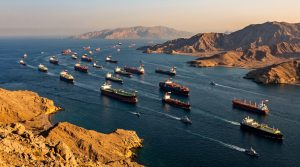
Just as traders were dealing with the Saudi disruption, security concerns were spreading across the region’s shipping lanes. A commercial vessel was reportedly hit by a projectile in the Strait of Hormuz, while Tehran also announced that another commercial ship had been attacked off its coast.
Houthi takeover around the Bab al-Mandab Strait is adding another layer of uncertainty. The waterway connects the Red Sea with the Gulf of Aden and forms an important route for international energy shipments. Around 4% to 5% of global oil supplies are estimated to pass through the broader route.
There was also supposed to be a diplomatic effort to calm maritime tensions. A planned meeting between Iran and Gulf states on maritime security was postponed, adding to uncertainty over whether negotiations can ease the pressure on commercial shipping.
For oil traders, that is another reason to remain cautious. If diplomacy stalls while attacks continue, the possibility of prolonged disruptions becomes harder to ignore.
The anxiety is no longer confined to energy markets. Asian stocks opened largely lower as investors tried to assess what expensive oil, geopolitical tensions and renewed inflationary pressure could mean for the global economy.
Higher oil prices push fears of spike in transport, manufacturing and consumer costs, making the inflation battle harder for central banks.
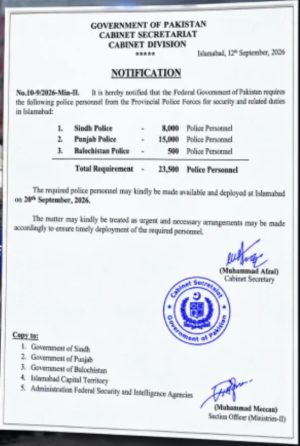
Pakistan steps up for Saudi Arabia after Attack on Major Oil Pipeline