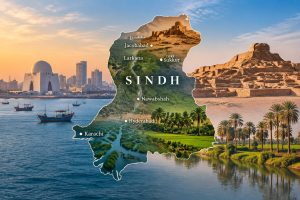

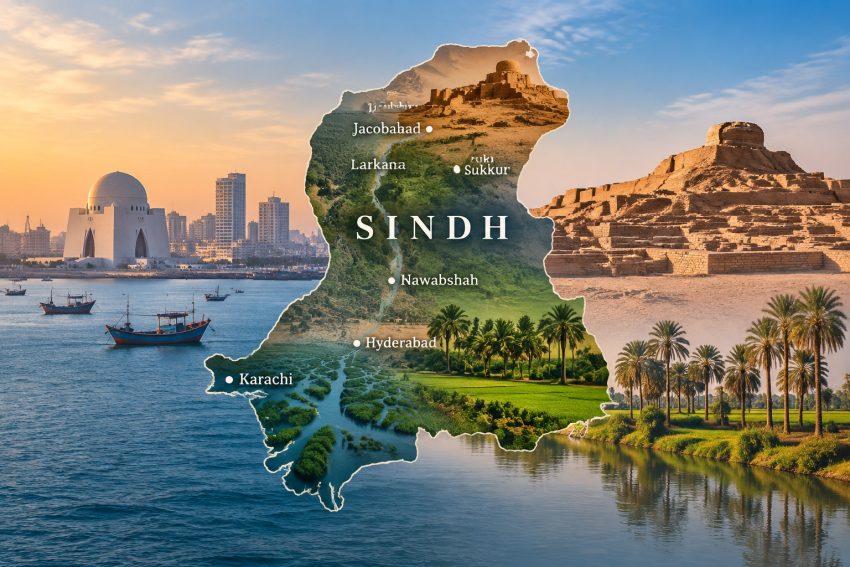
The Sindh government has now run the province for 18 years without a break. Nine months into 2026, the record shows a government that acts after the damage is done and rarely explains why.
Take public safety. By 28 September, 56 people had been killed in Karachi this year while resisting robberies, the latest on Sunday night in Scheme 33, where a 35-year-old man was shot twice in the head for his motorcycle. The provincial government controls the police, so this toll is its own. Earlier this month, court employees protested against the Steel Town SHO, accusing him of unlawfully detaining and assaulting a colleague. The allegation is unproven, but a police force citizens fear and need is failing at its basic job.
Public health tells the same story. At least 35 people have died of rabies in nine months, and dog-bite cases have crossed 200,000. Experts warn the true toll may be higher because record-keeping is uneven across hospitals. Rabies is almost entirely preventable, yet a sterilisation programme running since 2022 in 20 districts has not stopped this many bites. The victims are disproportionately poor and rural, far from the hospitals that stock vaccine and immunoglobulin.
Then there is water. K-IV was launched in 2016 at Rs25bn and was meant to be complete in two years. It stalled in 2018 with only 20 per cent done. The revised estimate is Rs170bn, and officials now admit the December 2026 deadline may slip into 2027. The federal government carries part of the blame, but Sindh’s own delays in releasing funds and building the power line are on the record. Karachi has waited two decades for a project that keeps getting more expensive and later.
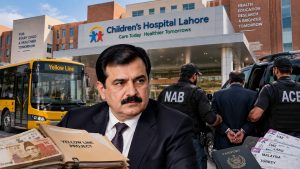
The most damning pattern is how wrongdoing surfaces. In June, a provincial minister said more than Rs20bn had been lost to corruption in his own department, and that he was under pressure over it. We are not aware of any published follow-up. In May, the Anti-Corruption Establishment alleged that Rs200m was routed through the Universities and Boards Department in exchange for altered exam results, this after the Public Accounts Committee had ordered a special audit of the boards in 2025. A senior officer was remanded in an alleged Rs8.5bn embezzlement in the BRT Yellow Line project. This month, NAB opened investigations into the irrigation department, including nearly 85,000 acres of government land. These are allegations, not convictions. But the pattern is clear: outside investigators find these problems, not the departments responsible.
Even legislation follows the same instinct. On 14 September, the Local Government Act amendment passed by a majority as opposition members tore up copies of the bill. MQM-P, PTI and Jamaat-e-Islami all rejected it, and the opposition says it will go to court. Critics argue that it strengthens provincial control at the expense of elected local bodies, the tier closest to garbage, water and drains.
A government that has held power for 18 years cannot keep blaming inheritance, the centre or bad luck. Last July’s Lyari building collapse killed 27 people and led to the arrest of eight building-control officials, and this year’s cases show the same pattern of oversight arriving after the harm. The question is no longer whether Sindh has problems. It is why, after 18 years in office, outsiders are still discovering them.
This is only the beginning. The failures outlined here are the ones that could be counted and verified in the first nine months of 2026, and there is far more to examine. In the next part, we will go deeper into the departments, projects, and people behind these numbers, and ask what the government’s own records say about where the money went.