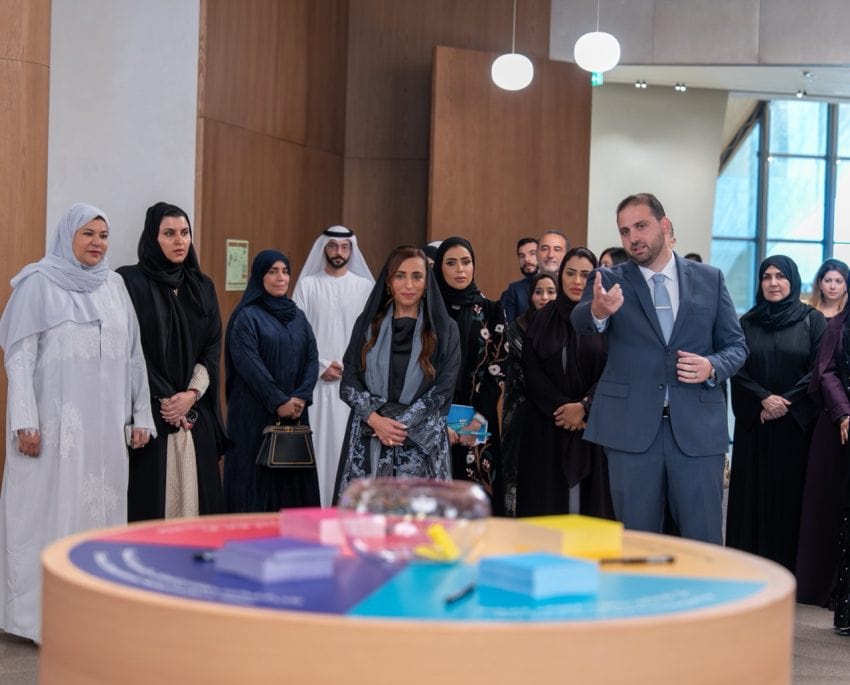
ABU DHABI – Sheikha Bodour bint Sultan Al Qasimi, founder and CEO of Kalimat Group, inaugurated the third Horouf & Kalimat Early Childhood Literacy Conference at ERTH Abu Dhabi, marking the event’s first edition in the UAE capital.
Running from October 30 to November 1, the conference brings together 50 academics, researchers and educators to discuss early childhood Arabic literacy and ways to translate research into classroom practice.
Kalimat Group organised the event in strategic partnership with the National Academy for Childhood Development, with support from the UAE Ministry of Education and IFA Hotels & Resorts.
The programme features four keynote presentations, 14 panel discussions, 13 interactive workshops and a certified course on the Science of Reading.
Arabic language and cultural identity
In her opening address, Sheikha Bodour described children’s connection to their mother tongue as central to cultural identity and called for closer cooperation among families, teachers and educational institutions.
“Our success is measured not only by how well children know their letters and words, but by the relationship we build between them and their language,” she said.
She said strengthening this connection could help children engage confidently with the wider world while remaining rooted in their language and culture.
The conference focuses on teacher training, education policy, family involvement and the quality of Arabic children’s books and learning materials.
In line with the UAE’s Year of the Family, sessions also examine how shared reading, conversation and everyday activities support language development, alongside the role of cooperation between homes and schools.
Linking research with teaching
Dr Meera Al Kaabi, acting president of the National Academy for Childhood Development, said investment in early literacy was essential to developing Arabic language skills and supporting lifelong learning.
She said the academy’s partnership with Kalimat Group aimed to improve teaching through research and specialist expertise, while strengthening the contribution of educators, families and caregivers.
An opening panel brought together representatives from education authorities in Dubai, Abu Dhabi and Sharjah to discuss national approaches to early childhood Arabic learning.
The discussion covered teacher training, classroom practices, Arabic content and ways to assess vocabulary, comprehension, oral expression and reading readiness.
Practical training for teachers
The conference includes an 18-hour certified Science of Reading course for 50 kindergarten and Grade 1 teachers.
Drawing on neuroscience research into early reading development, the course aims to help teachers understand how children learn to read, assess learning needs and select suitable classroom interventions.
Sheikha Bodour also toured an exhibition of educational resources and digital tools, visited interactive workshops and recognised organisations supporting the conference.
The previous edition, held in Sharjah in 2025, attracted 1,200 registrants, with more than 650 teachers participating alongside 48 local and international speakers.