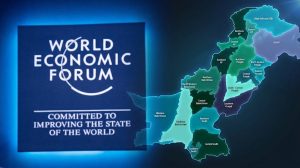

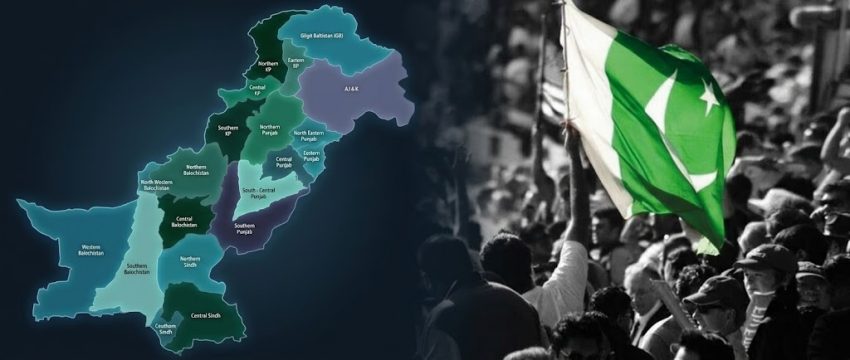
ISLAMABAD – New provinces are back in news after Interior Minister Mohsin Naqvi called Pakistan’s governance system failure and pushed for new administrative units, and people continue to share new maps showing over dozen units.
Pakistani constitution has no clear process for creating new provinces, only for adjusting existing boundaries, so any real move needs a major amendment first. PML-N defended the idea as reform-minded, while PPP has urged caution, with critics arguing a government facing its own legitimacy questions shouldn’t be driving something this big, and that fixing Pakistan’s centralized revenue-sharing system matters more than redrawing the map, since new provinces without independent income would just strain the federation further.
Former Deputy Chairman of the Planning Commission Nadeem Haq raised serious concerns over the possible consequences of expanding the country’s administrative map. As discussions continue, Haq warned that the move could end up strengthening political elites rather than delivering meaningful benefits to the public. He argued that increasing the number of provinces may create more opportunities for powerful political families to expand their influence through additional ministerial positions, senior bureaucratic appointments, and greater access to state resources.
More new provinces will mainly benefit political dynasties:⁰• More family members become Ministers⁰• The rest secure Grade 22 posts, Provincial Secretary & Chief Secretary⁰• Extra court judges⁰• More downtown government offices & official mansions in downtowns of…
— Nadeem Haque (@nadeemhaque) July 31, 2026
He said a larger provincial structure could lead to the creation of new government departments, official residences, administrative offices, and senior positions, increasing the overall cost of governance. Haq claimed that the expansion of provincial setups could also result in more protocol culture, government vehicles, security arrangements, and privileges for officials.
He further cautioned that the growing administrative burden could place additional pressure on citizens, as higher government expenditures may eventually require increased taxation. He warned that a larger state structure without genuine reforms could worsen existing governance challenges instead of solving them. The former planning official argued that Pakistan’s real challenge is not the number of provinces but the lack of effective institutional reforms. He stressed that strengthening local governments and transferring decision-making powers to communities should be the country’s priority.
He questioned why national debate repeatedly focuses on creating new provinces while issues such as empowered municipal governments, decentralization, and administrative efficiency remain unresolved. In his view, delaying these reforms could prevent meaningful improvements in governance for decades.
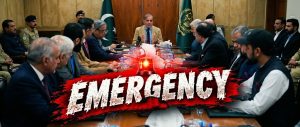
Interior Minister however took a different approach, urging political parties to come together and settle major national questions, including the creation of new provinces and administrative units. Addressing the Pakistan Economic Summit 2026 in Islamabad, Naqvi said that the country’s existing governance structure requires serious attention and that political forces must collectively decide the future direction of the system.
“Whether you agree or not, the system we have been living under has collapsed,” Naqvi said, emphasizing that Pakistan’s situation would not improve without fundamental changes.
He called on all political parties to sit together, regardless of differences, and resolve key national matters through dialogue. According to him, discussions about administrative units, provinces, and governance reforms must involve public participation and a broader national consensus.
Here’s What DG ISPR said about Mohsin Naqvi’s New Provinces Statement