
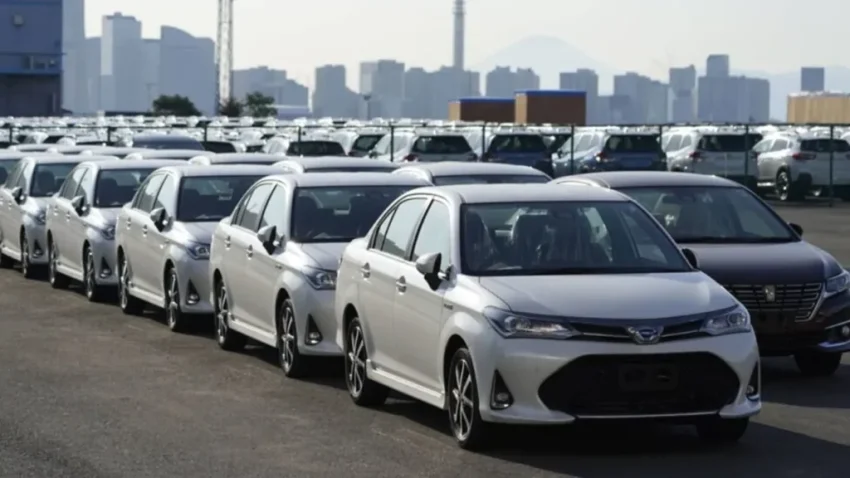
ISLAMABAD – Imported used vehicles offered Pakistani buyers more affordable alternative to locally assembled cars, but things are changing now as authorities imposed additional 30 percent regulatory duty on commercial imports of used vehicles, and the move is expected to push up prices, limit imports, and give edge to local auto industry.
Federal Board of Revenue (FBR) dealt a fresh blow to commercial importers of used vehicles with additional 30 percent regulatory duty (RD) from July 1. The latest levy has been introduced through SRO 1065(I)/2026, issued under Section 18(3) of the Customs Act, 1969. The notification replaces SRO 1898(I)/2025, marking another revision to the country’s import duty framework at the start of the new fiscal year.
Under new regulation, the additional regulatory duty applies to commercially imported used vehicles classified under Pakistan Customs Tariff (PCT) Headings 8702, 8703, and 8704. The measure covers imports made under Clause (xvi) of Serial No. 10 of Appendix-C of the Import Policy Order, 2022, subject to the conditions prescribed in the policy.
The apex tax collection agency also clarified that the newly introduced 30 percent duty will be charged over and above the regulatory duty already imposed through SRO 1064(I)/2026 on June 30, 2026, substantially increasing the overall tax burden on commercial imports of used vehicles.
The higher duty is expected to cut price advantage enjoyed by imported used vehicles, particularly Japanese models that remained popular among Pakistani buyers due to their affordability and reliability. With imported vehicles becoming costlier, analysts believe consumer demand could increasingly shift toward locally assembled vehicles produced by manufacturers operating in Pakistan.
Industry experts view latest decision as clear policy aimed at protecting domestic vehicle assemblers and the broader automotive supply chain. Pakistan’s automobile sector, which supports thousands of jobs and an extensive network of parts manufacturers and vendors, has faced growing pressure in recent years from rising volumes of imported used vehicles competing with locally assembled models.
The government is expected to improve production volumes, factory utilization, and sales for local automakers while boosting confidence across the automotive manufacturing ecosystem during the 2026-27 fiscal year.
The measure also shows government’s broader tariff strategy. Although Pakistan committed to gradually lowering import duties under wider economic and tariff reforms, authorities continue to provide temporary protection to strategic industries. Similar regulatory duties were introduced on used vehicle imports in late 2025, with the long-term roadmap envisaging a phased reduction in tariffs over the coming years as the market moves toward greater liberalization.
For consumers, the immediate impact is likely to be higher prices and fewer affordable options in imported used vehicle segment. In long run, gradual easing of tariff barriers could increase competition, encouraging local manufacturers to introduce newer models, improve quality standards, expand localization, and offer better value to consumers.
Good News for Car Buyers in Pakistan as 5-Year-Old Imported Cars may soon hit roads