
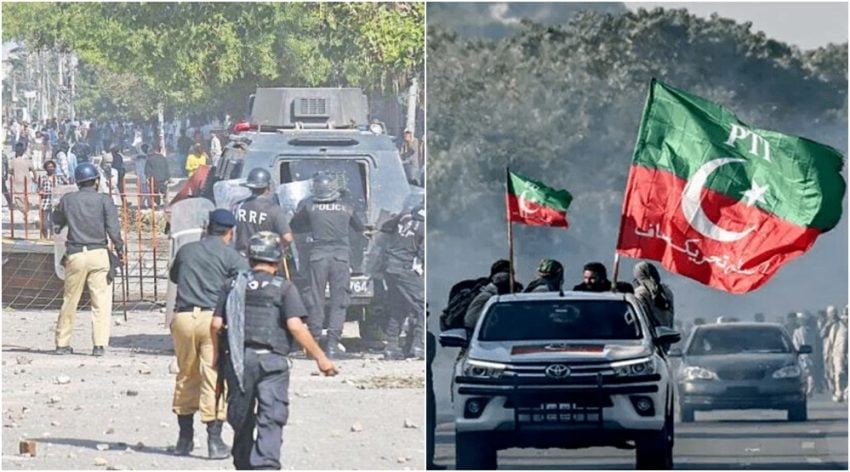
PESHAWAR – KP law enforcers have been put on strict notice to distance themselves from PTI’s political motives. The directive comes after federal government expressed grave concerns that the PTI-led KP government may be mobilising state machinery to fuel its political showdown in the capital.
A sweeping circular issued by Deputy Inspector General (DIG) Security Division Shakir Hussain Dawar reminded officers that neutrality is not optional, it is a binding legal duty. He made it clear that any involvement in political activity is srictly forbidden, and officers must not march, rally or stand with any political group.
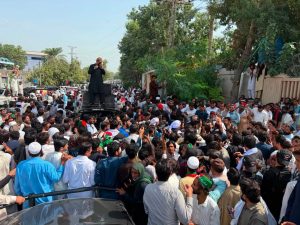
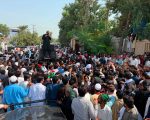
With Pakistan Tehreek-e-Insaf (PTI) preparing a protest outside the Islamabad High Court (IHC) today, federal authorities fear the KP government may attempt to deploy provincial police to bolster the demonstration — a move they say would be a dangerous misuse of power.
PTI’s KP spokesperson Adeel Iqbal confirmed the protest, declaring that Imran Khan’s party devised “a well-defined strategy” for meeting the jailed founder. He issued a sharp warning: the party would retaliate against “any unlawful action”, adding that those who “violate the Constitution” were “running out of time”.
Tensions surged further as KP Chief Minister Sohail Afridi was denied access for the eighth time to meet the incarcerated PTI founder in Adiala Jail. After the latest refusal last week, Afridi staged an extraordinary overnight stay outside the jail walls.
With PTI gearing up for today’s protest, Islamabad authorities reaffirmed that Section 144 is firmly in place, banning rallies, gatherings and demonstrations across the capital. Any violation, officials warned, will trigger immediate action.
Security agencies have been placed on high alert, working under coordinated command to prevent unrest. Citizens have been urged to avoid activities outlawed under Section 144. Rawalpindi has also locked down, with Deputy Commissioner Hasan Waqar Cheema imposing Section 144 from December 1 to 3.
Imran Khan’s son fears for father life as court-ordered visits denied