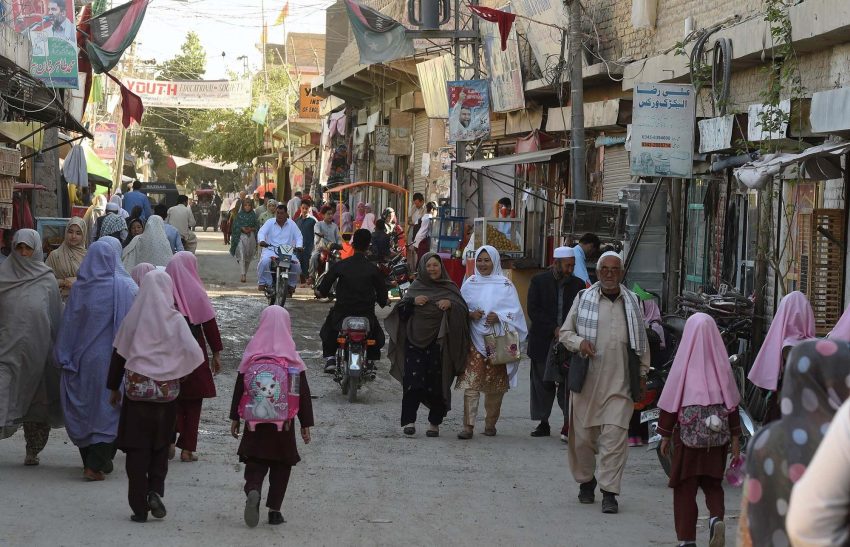
QUETTA – The Balochistan government has directed markets, wedding venues, and restaurants to close early as part of a broader energy conservation effort, according to an official notification issued by the Home Department.
The order follows decisions made during a meeting on fuel subsidies and energy-saving measures, with oversight provided by Deputy Prime Minister Ishaq Dar.
Under the notification, all markets and shopping complexes must close by 8 pm, while essential services like pharmacies, bakeries, and tandoors are exempted. Marriage halls, banquet venues, and wedding events—including those held in hotels and restaurants—must conclude by 10 pm. Hotels and restaurants are also required to shut by the same time.
The Home Department emphasized that these steps are intended to conserve energy and ease the impact of rising costs on the public, assigning district administrations and law enforcement agencies to ensure strict compliance.
These measures come amid rising global fuel and energy prices, driven by ongoing conflict in the Middle East. The conflict, which began over a month ago, escalated after joint strikes by the United States and Israel on Iran on February 28. In retaliation, Iran targeted U.S. bases across the Gulf and blocked the strategic Strait of Hormuz, a critical oil shipping route.
The resulting disruptions in global oil supplies prompted Pakistan to increase petrol and diesel prices by Rs55 per litre on March 6. The federal government also introduced a series of austerity and fuel-saving measures, including a four-day workweek for government employees, reductions in fuel allowances, and a 20% cut in departmental expenditures.
By April 2, petrol prices surged to Rs458.41 per litre, up Rs137.23, while diesel rose to Rs520.35 per litre, an increase of Rs184.49, primarily due to the spike in international oil prices. The following day, Prime Minister Shehbaz Sharif announced a temporary reduction of petrol to Rs378 per litre for a month, cutting the petroleum levy by Rs80 per litre.