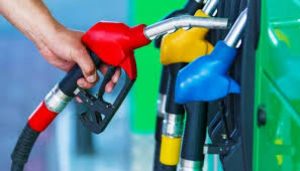

ISLAMABAD – The global oil market is bracing for turbulence as political chaos in Venezuela and stringent US sanctions spark fears of rising petroleum prices.
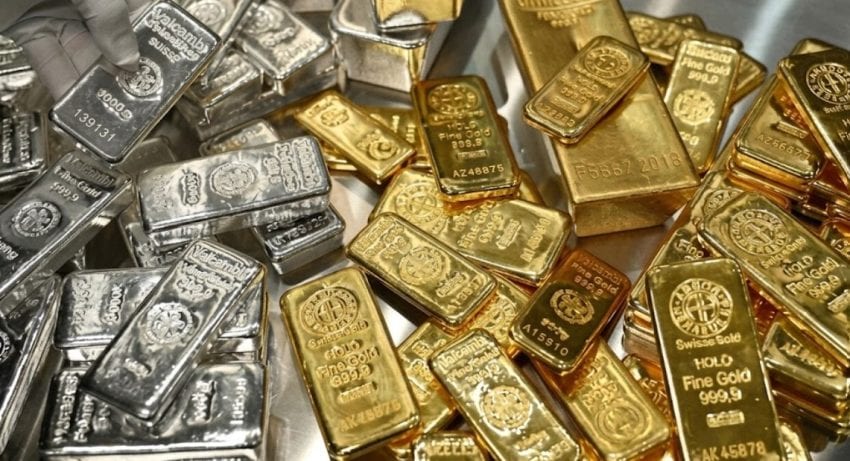
After recent US invasion in Venezuela, the country with the world’s largest crude reserves, President Trump signaled Washington’s intention to take control, igniting alarm across international markets. The attacks on Venezuela trigger major Wall Street upheaval and investors flock to safe-haven assets like gold whenever geopolitical tensions flare.
As of 5 Janaury, global petroleum supply remains abundant, further disruptions in Venezuelan exports could immediately push prices higher. American sanctions effectively halted Venezuela’s oil exports since early January, forcing state-owned PDVSA to scale back production as storage facilities overflow with millions of barrels trapped in tankers and depots.
Sources confirm that US attack did not directly damage Venezuela’s oil production or refining infrastructure. However, sanctions slashed December exports to approximately 500,000 barrels per day, half of November’s output. Post-January, only Chevron is permitted to export a limited 100,000 barrels daily.
OPEC and its allies decided to maintain production at current levels for the first quarter, citing global market uncertainty. Energy experts warn that geopolitical risks in Venezuela and Iran could push oil prices upward, although increased production from other regions may mitigate the impact.
These disruptions in Venezuela can be offset by production elsewhere, but the long-term outlook remains tense. Adding fuel to the fire, President Trump has taken a hard line on Iran, hinting at potential intervention and raising fears of escalating conflict in the Middle East.
Despite US intentions to restore Venezuela’s oil output through future investments, decades of mismanagement mean a rapid increase in production is impossible.
Pakistan steps up to protect Nationals in Venezuela after US captures Maduro