
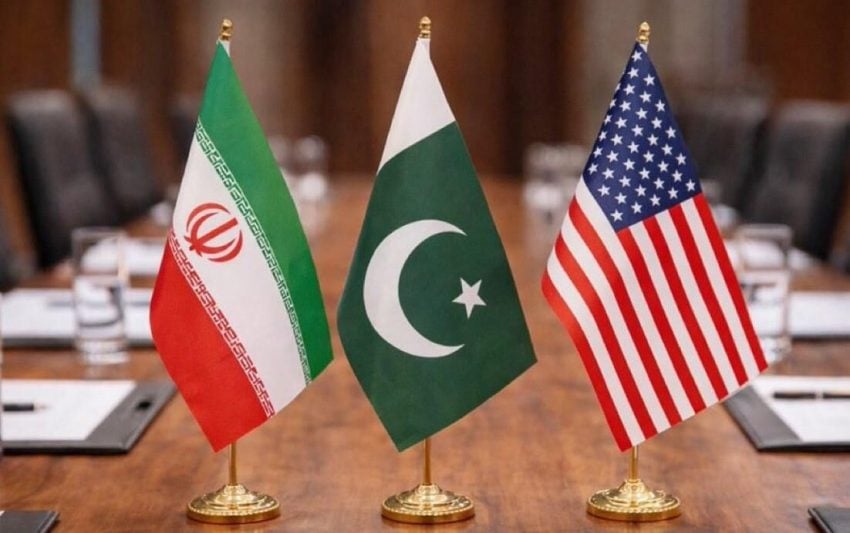
ISLAMABAD – Tensions in Middle East reached boiling point, and amid escalating military escalation between US, Israel, and Iran, Pakistan stepped into the spotlight, and is reportedly working to broker 45-day ceasefire, quietly reaching out to both Tehran and Washington in a desperate bid to prevent the conflict from spiraling further.
As the buzz sparked speculations, Foreign Office confirmed that diplomatic efforts to ease the crisis are ongoing, though it stopped short of confirming reports that Islamabad has proposed a detailed framework aimed at ending the conflict.
Foreign Office spokesperson Tahir Andrabi acknowledged that media outlets have been discussing proposals such as 45-day ceasefire and 15-point exchange plan, but stressed that the government does not comment on individual reports or unverified diplomatic exchanges.
Reuters reported that US and Iran received proposal crafted by Pakistan outlining possible steps to end hostilities. According to a source familiar with the matter, the plan was shared with both sides overnight, potentially marking a significant diplomatic intervention by Islamabad.
Officials were both sides were exploring temporary 45-day ceasefire as part of two-phase agreement that could eventually pave the way for a permanent settlement.
Meanwhile, Iran indicated that it already communicated its conditions for any potential ceasefire. Foreign Ministry spokesperson Esmaeil Baghaei said Tehran had delivered its expectations and demands through intermediaries, emphasizing that meaningful negotiations cannot take place under threats or ultimatums that could amount to war crimes.
The diplomatic maneuvering comes as the conflict raises alarm across global energy markets. Analysts warn that any disruption to shipping through the strategic Strait of Hormuz. Traders are closely monitoring developments, fearing that escalating hostilities could threaten the flow of oil through the narrow passage.
Pakistan increasingly positioned itself as facilitator in the unfolding diplomatic drama, leveraging its longstanding ties with Washington as well as its working relationship with Tehran.
Adding to the intrigue, Iran’s Foreign Minister Abbas Araghchi clarified on Saturday that Tehran’s leadership had never refused an invitation to travel to Islamabad for peace talks. Pakistan has already offered to host potential negotiations aimed at easing the crisis.
While diplomatic channels remain active, the rhetoric from Washington intensified sharply. In recent days, US President Donald Trump has issued blunt warnings to Tehran, signaling that failure to reach a ceasefire quickly could bring devastating consequences.
In a fiery post on Truth Social, Trump warned that the United States could strike Iranian power plants and bridges if Tehran does not reopen shipping through the Strait of Hormuz.
Iran swiftly condemned the statement, describing it as clear evidence of an intention to commit war crimes and urging the international community to intervene to prevent such actions.
Trump later posted another cryptic message online — “Tuesday, 8:00 P.M. Eastern Time!” — without providing further explanation, fueling speculation about possible upcoming decisions or announcements.
CDF Munir in ‘overnight talks’ with Vance, Aragchi as US and Iran receive peace proposal