
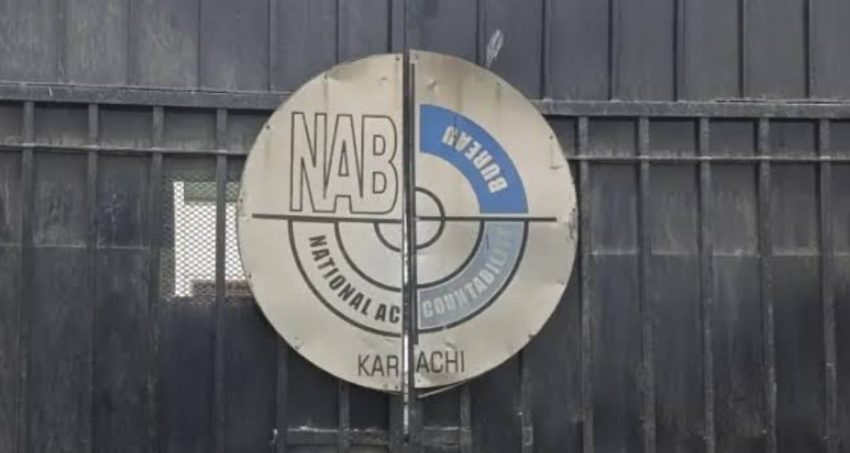
ISLAMABAD – As many corruption cases are going beyond National Accountability Bureau’s reach, the country’s anti-graft watchdog is weighing legal strategy that could turn the tide. By recalculating current value of alleged losses using the same inflation formula that raised its jurisdictional threshold, NAB hopes to keep many high-stakes cases from slipping through the cracks.
The Bureau is considering legal interpretation that could prevent large number of corruption cases from being closed after inflation pushed its financial jurisdiction well beyond the previous limit.
The proposal is currently under review within NAB and is expected to be placed before the bureau’s Executive Board Meeting (EBM) for a policy decision.
At heart of the proposal is a new interpretation of the inflation-linked amendment to the National Accountability Ordinance, 1999. The amendment tied NAB’s minimum financial jurisdiction of Rs500 million to the inflation index published by the Pakistan Bureau of Statistics, effective July 1, 2022. As cumulative inflation has surged, officials estimate the threshold has now crossed Rs800 million.
The revised limit sparked concerns that ongoing inquiries, investigations and corruption references involving amounts below the updated threshold could be closed or withdrawn because they no longer fall within NAB’s jurisdiction. To address that challenge, NAB is exploring whether the same inflation adjustment should also be applied to the value of the alleged financial loss suffered by victims, including individuals, public institutions and the national exchequer.
If an accused argues that alleged corruption amount falls below revised jurisdictional limit, authorities would recalculate the present-day value of the allegedly embezzled or misappropriated funds using the same inflation formula. If the adjusted amount exceeds the new threshold, the case could remain within NAB’s jurisdiction.
The proposal is based on the principle that inflation adjustments should not operate solely in favour of the accused while ignoring the decline in the purchasing power of the money allegedly lost by victims over time. If endorsed by Executive Board Meeting and adopted as official policy, the move could preserve a substantial number of corruption cases that otherwise risk being dropped because of the revised financial threshold. Rather than seeking another legislative amendment, NAB is attempting to resolve the issue through an interpretation of the existing legal framework, per reports.
The courts will ultimately decide whether the inflation-linked adjustment can legally be applied not only to NAB’s jurisdictional threshold but also to the valuation of alleged losses in corruption cases.
NAB Cases
NAB is continuing investigations into several multibillion-rupee corruption and money laundering cases in 2026, with a strong focus on recovering public assets and targeting large-scale financial crimes.
Among the bureau’s biggest investigations is Upper Kohistan corruption scandal, where alleged embezzlement of up to Rs40 billion is under probe. NAB has already recovered billions of rupees and arrested several suspects.
A formal investigation is underway into alleged multibillion-rupee irregularities in the Lyari Expressway Resettlement Project involving illegal plot allotments and forged documents. Alongside these high-profile cases, NAB is investigating financial irregularities in public development projects, stepping up asset recovery efforts and increasingly using artificial intelligence to strengthen financial crime investigations.
IHC bench hearing petition against Bahria Town property auction dissolved