
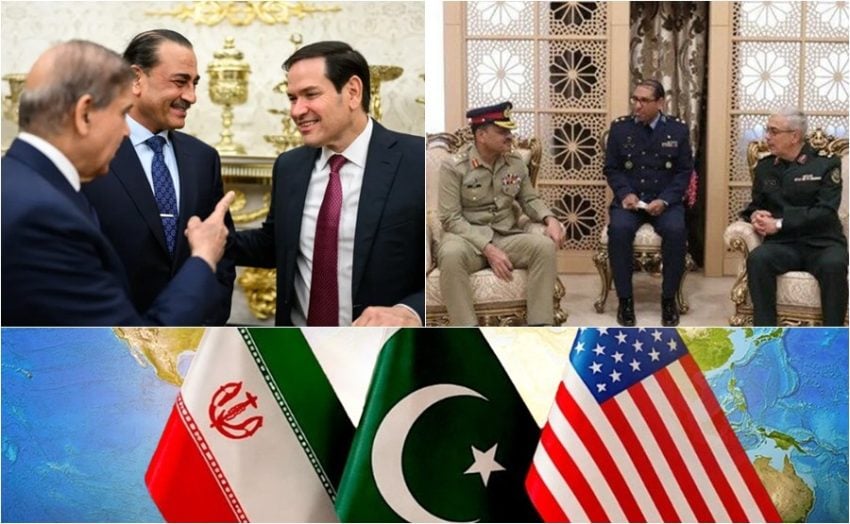
ISLAMABAD – Pakistan-brokered ceasefire between US and Iran is making global headline as the announcement marks key moment in Middle Eastern geopolitics, with Islamabad playing central role in preventing further conflict.
Tehran will send some of its most senior officials, including Parliament Speaker Mohammad Baqer Qalibaf, whose arrival has been confirmed by Iranian media. Alongside him, Foreign Minister Abbas Araqchi and other top Iranian officials will take part in what is expected to be intense diplomatic discussions.
On American side, Vice President J.D. Vance will lead the delegation, accompanied by Middle East Special Advisor Steve Witkoff and other high-level US officials. These are seasoned negotiators who have previously participated in talks that stalled due to deadlocks on critical issues.
PM Shehbaz Sharif thanked both sides for ceasefire and extended personal invitation to both delegations to arrive in Islamabad for the negotiations. In a statement posted on X, he said:
“I am extremely pleased to announce with humility that the Islamic Republic of Iran and the United States, along with their allies, have agreed to an immediate ceasefire in Lebanon and other regions. I warmly welcome this historic step and sincerely thank the leadership of both countries. For the resolution of all disputes and the final agreement, the delegations are invited to Islamabad on Friday, April 10, 2026.”
Pakistan’s led diplomatic efforts have not only made the ceasefire possible but have also opened the door to long-term peace in the Middle East.
Here’s Iran’s 10-Point Agenda Now for Talks with US in Pakistan