
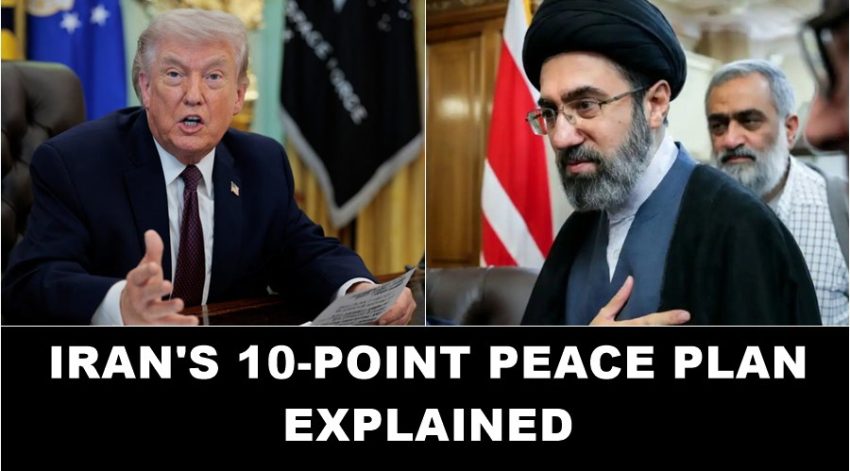
TEHRAN – Iranian authorities revealed sweeping 10-point proposal that it says US agreed to discuss, in what is said to be dramatic turn after weeks of intense conflict between the two sides. Iranian officials said the plan lays out political, military and economic conditions aimed at ending regional tensions and securing long-term guarantees for Iran.
According to Iranian state media, the proposal calls for an end to multiple conflicts across the Middle East and includes major demands such as lifting sanctions on Iran, compensating the country for war-related damage, and restoring frozen Iranian assets held abroad.
Iran’s 10-Point Plan
End to wars in Iraq, Lebanon, and Yemen
Iran wants fighting involving regional actors and allied groups in these countries to stop completely to reduce proxy conflicts and stabilize areas where Iran-backed groups and Western allies have been involved in clashes.
Permanent end to war against Iran
Tehran demands a long-term guarantee that military operations against Iran will stop permanently, without any time limit or temporary arrangement.
End of all regional conflicts
Beyond specific wars, Iran is calling for a broader regional de-escalation, meaning no new conflicts or military campaigns against its allies across the Middle East.
Reopening the Strait of Hormuz
Iran proposes reopening the Strait of Hormuz, a crucial shipping route through which a large share of global oil passes, and was bone of contention between two sides.
Safe maritime passage protocol
Iran wants formal rules governing shipping in the Strait of Hormuz to ensure safe and controlled navigation, potentially with coordination from Iranian forces.
Compensation for war damage
Tehran demands financial compensation to cover reconstruction costs and economic damage caused during the conflict.
Lifting all sanctions
Iran wants the United States and its allies to fully remove economic sanctions that have restricted Iran’s banking, oil exports, and international trade.
Release of frozen Iranian assets
The plan calls for the immediate release of Iranian funds that are frozen in foreign banks, particularly those held under US sanctions.
Iran’s nuclear weapons
In return for these concessions, Iran offers a guarantee that it will not pursue nuclear weapons, addressing one of the West’s major concerns.
Immediate ceasefire once terms are accepted
If the above conditions are agreed upon, Iran proposes a full ceasefire on all fronts, ending active fighting and allowing diplomacy to take over.
Iranian officials say these points form the foundation for negotiations that the United States has now agreed to pursue.
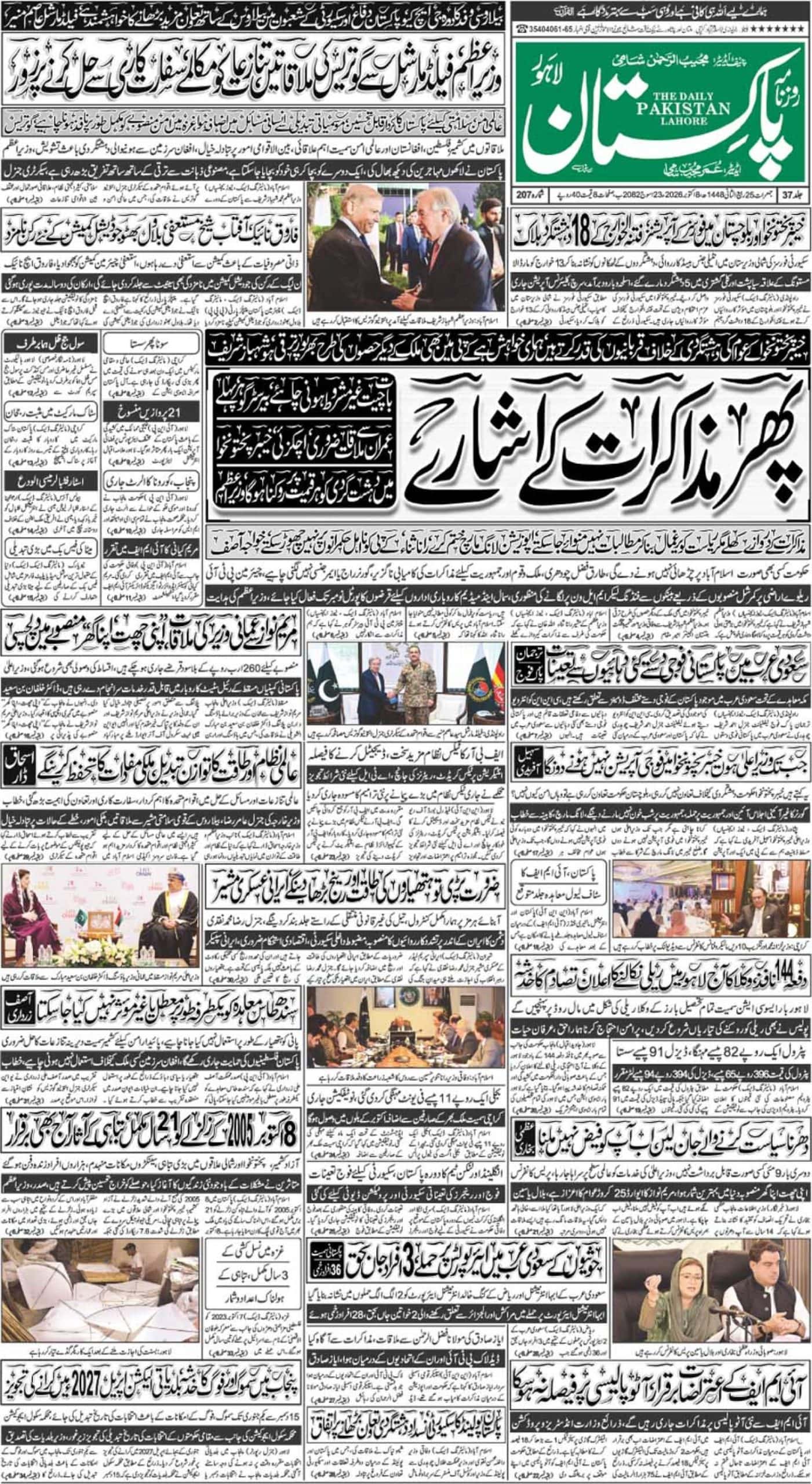
Pakistan in spotlight as Mediator
After ceasefire agreement, Prime Minister Shehbaz Sharif of Pakistan invited delegations from both countries to hold talks in Islamabad.
In a message posted on X, Sharif said he was pleased to announce that Iran and the United States, along with their allies including those involved in conflicts in Lebanon had agreed to an immediate ceasefire.
He welcomed the decision as a wise step and thanked the leadership of both nations. Sharif also formally invited their negotiating teams to Islamabad on Friday, April 10, 2026, for further discussions aimed at resolving all outstanding disputes.
Pakistani prime minister said both sides had shown remarkable understanding and diplomacy, expressing hope that what he called the “Islamabad talks” would pave the way for lasting peace and stability in the region.
Iran’s Supreme National Security Council said the negotiations will begin in Islamabad and could continue for up to 15 days, with the possibility of extension if necessary. In its statement, the council said that the resistance shown by the Iranian public and armed forces over the past 40 days forced the enemy to retreat and enabled Iran to achieve most of its military objectives.
According to the statement, Iran had decided from the outset that the war would continue until the opposing side was pushed into a position of regret and long-term threats to the country were eliminated.
The council also said Iran rejected several deadlines set by US President Donald Trump, making it clear that such ultimatums carried no significance for Tehran.
Iranian officials say the talks in Islamabad are intended to convert what they describe as military success into political gains.
According to the statement, Iran rejected all counter-proposals from the opposing side and instead delivered its own 10-point framework to the United States through Pakistan. The plan also includes controlled navigation through the Strait of Hormuz, an end to military campaigns against regional resistance groups, the withdrawal of US forces from the region, compensation for damages caused during the conflict, the lifting of sanctions, the restoration of frozen Iranian assets and international approval of the agreement through a binding resolution of the United Nations Security Council.
Iranian authorities say Prime Minister Shehbaz Sharif informed them that Washington has accepted these principles as the basis for negotiations.
However, Iran’s leadership stressed that this development does not yet mark the end of the war. Officials say the conflict will only be considered over once every element of the 10-point plan is finalized through negotiations.
The Supreme National Security Council also urged political parties and the public to maintain national unity during the process, saying strong domestic support will be crucial as Iran seeks to secure what it describes as a decisive political settlement after weeks of conflict.
US, Iran finally reach Fragile Ceasefire after 39 days of Deadly War