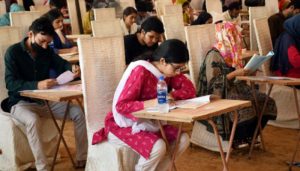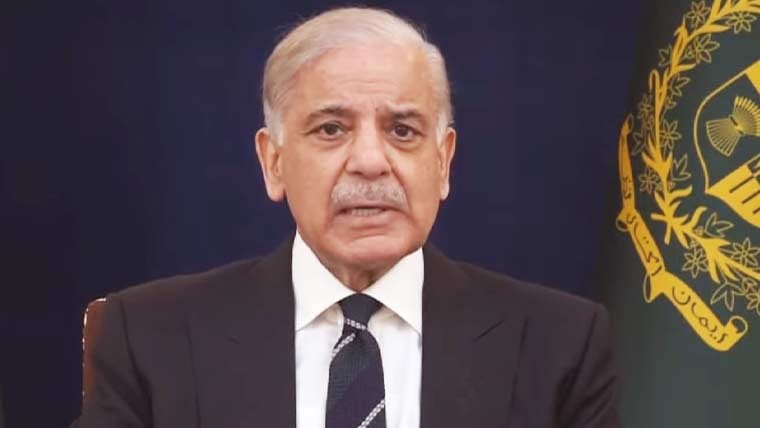
ISLAMABAD – Prime Minister Shehbaz Sharif on Monday announced major energy-saving measures, including a three-day weekend for offices, 50% work-from-home arrangements, and two weeks of school holidays, in response to rising tensions in the Middle East and fears of a potential energy crisis.
In a televised address to the nation, the prime minister said he was speaking at a time when the region was facing a serious and dangerous situation, with Iran and parts of the Middle East engulfed in conflict. He expressed deep concern over the loss of lives, the suffering of displaced families, and the growing threats to peace.
Sharif said Pakistan was making diplomatic efforts to help ease tensions in the region. He also noted that the country continued to face security challenges, including terrorism originating from Afghanistan. In response to cross-border infiltration, he said Pakistan’s armed forces, under the leadership of Chief of Army Staff Gen Syed Asim Munir, were fulfilling their duty to safeguard the country’s sovereignty and protect the lives and property of citizens. He paid tribute to the armed forces on behalf of the nation.
The prime minister strongly condemned Israeli attacks that, he said, resulted in the martyrdom of Ayatollah Ali Khamenei, members of his family, and innocent Iranians, adding that the government and people of Pakistan share the grief of the Iranian nation.
He also condemned attacks affecting several Muslim countries, including Saudi Arabia, Qatar, Kuwait, Bahrain, the United Arab Emirates, Turkiye, and Azerbaijan, saying the loss of human lives in these incidents was deeply alarming.
Sharif reaffirmed that Pakistan stands shoulder-to-shoulder with its brotherly Muslim nations during this difficult time and considers their security and stability closely linked with its own.
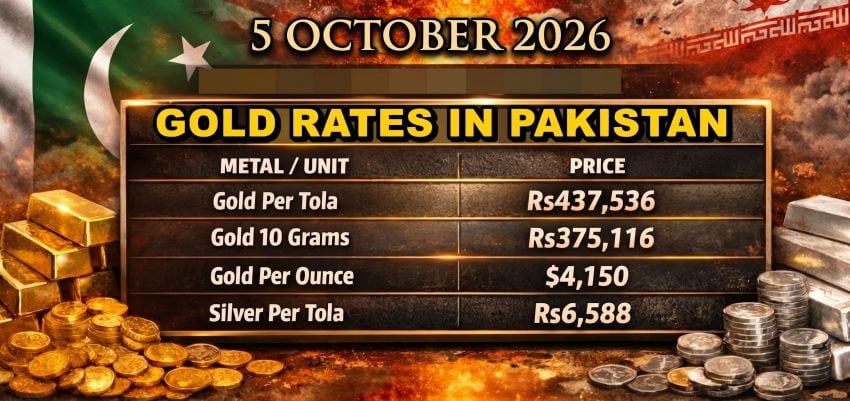
Highlighting the economic implications of the conflict, the prime minister said crises in one country can quickly spread across the region. He noted that before the recent tensions, global crude oil prices were around $60 per barrel, but had suddenly surged to over $100 per barrel, warning that prices could spiral further if the situation worsens.
He said Pakistan’s economy, agriculture, industry, transport and daily life heavily depend on oil and gas supplies coming through the Gulf region. In view of the circumstances, the government had been forced to make difficult but necessary decisions.
Sharif said the government had worked to improve fiscal discipline and introduce reforms in the energy sector to manage the crisis. However, he acknowledged that Pakistan has little control over the determination of prices in international markets.
He added that wars often have a direct impact on energy markets, and the current global situation was also affecting Pakistan. Despite these challenges, the government was making every effort to keep the economy stable.
The prime minister admitted that the recent increase in fuel prices was made with a heavy heart. He said he faced a difficult choice, as economic realities required a price hike while his concern was to avoid placing further burden on the poor.
Sharif revealed that he had been advised to impose a much larger increase in petroleum prices, but after consultations the government opted for a middle path to reduce the burden on the public.