
ISLAMABAD – Pakistan’s automobile sector is on verge of biggest transformation in years as the federal government prepares to unveil sweeping new Auto Policy to woo billions in fresh investment, modernizing local manufacturing, and boosting the country’s shift toward cleaner transportation.
The policy, now in its final stages, is expected to be introduced during the first week of August after the government completes final tax consultations with the International Monetary Fund (IMF).
The policy was delayed by month as authorities engaged in extensive negotiations with the IMF and multiple government ministries to chalk out its tax structure. One of the most closely watched proposals is reduction in sales tax on vehicles up to 800cc from 18% to 12.5%, ran into strong resistance from the IMF, which raised concerns over the proposed tax relief.
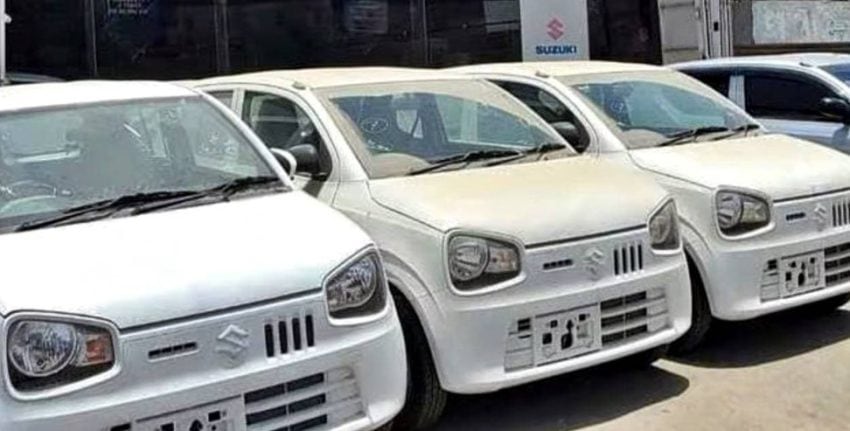
The Policy proposes reducing the sales tax on locally assembled vehicles that could lower prices of small cars, such as Suzuki Alto. In the short term, if approved, the policy is expected to bring noticeable price reductions mainly for entry-level and small cars.
Over long term, increased investment, greater localization of parts, and higher competition should help drive car prices down more broadly across different segments. Larger vehicles above 800cc and imported cars are likely to see limited or no direct benefit initially. The policy is anticipated to be unveiled in early August 2026, with the final pricing impact depending on the approved measures.
Ministry of Finance, Ministry of Commerce, Federal Board of Revenue (FBR), Ministry of Science and Technology, and Ministry of Law are jointly redrafting the tax package. Officials are also negotiating a five-year tax framework with the IMF to ensure the policy remains fiscally sustainable while supporting long-term industry growth.
Beyond taxation, the new Auto Policy is expected to introduce sweeping reforms designed to reshape Pakistan’s automotive landscape. The government aims to attract new domestic and foreign investment, create thousands of jobs, and bring advanced vehicle manufacturing technologies to the country.
All newly manufactured vehicles in Pakistan are expected to be required to comply with the UN’ 62 internationally recognized vehicle safety standards to improve vehicle quality and passenger protection.
The policy also signals Pakistan’s strongest push yet toward greener mobility. Authorities plan to aggressively promote the adoption and local manufacturing of hybrid and plug-in hybrid vehicles while implementing a long-term strategy to gradually reduce the country’s dependence on petrol- and diesel-powered automobiles.
Geely Starray EM-i, EX5 and EX2 Coming to Pakistan – Check Specs, Expected Price, Launch Date