
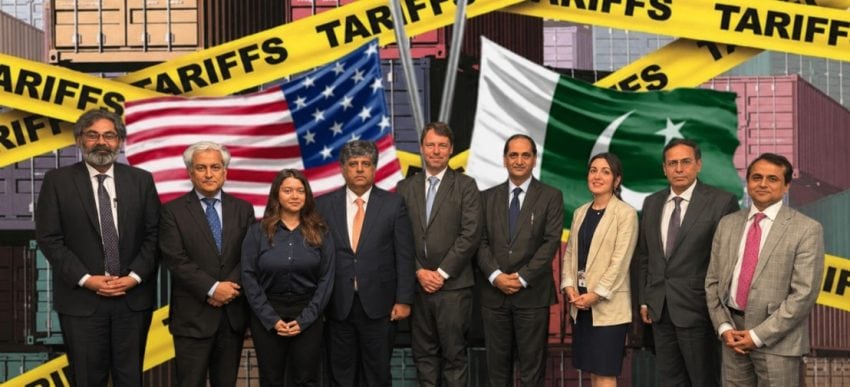
ISLAMABAD – Pakistan and US appear to be inching closer to a deal after two days of negotiations in Washington, both sides reported progress toward tariff deal that that could pave the way for broader trade agreement and reshape bilateral economic ties between two strategic partners.
Foreign Office shared update on talks held on July 9–10 as both sides narrowing differences and building consensus to finalize a trade agreement that could reshape economic ties. MoFA spokesperson Tahir Andrabi said the negotiations focused on resolving outstanding issues and accelerating efforts to reach a mutually beneficial agreement.
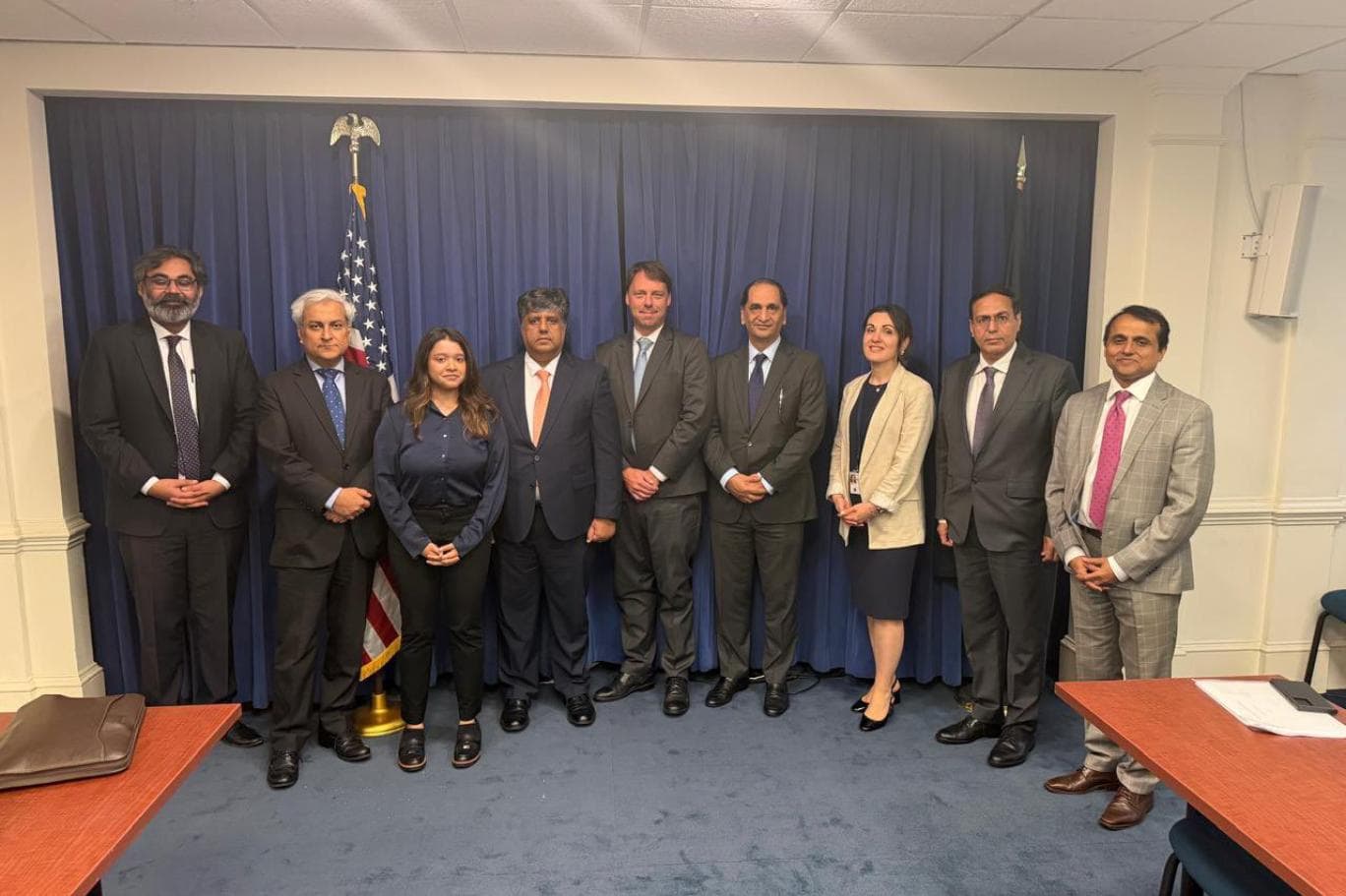
Pakistan’s delegation was led by Commerce Secretary Jawad Paul, who described the talks as constructive and welcomed what he called substantial progress toward a comprehensive trade agreement.
The discussions come at a crucial moment, as 10% temporary US tariff imposed under Section 122 of the Trade Act of 1974 is scheduled to end on July 24 and both Islamabad and Washington are now working to replace the temporary measures with a more stable, long-term bilateral trade framework.
For Pakistan, the stakes are high as United States remains country’s largest single-country export market, and Islamabad is pushing for lower duties on its exports to improve competitiveness and boost foreign exchange earnings. The latest negotiations follow more than a year of shifting U.S. trade policies and legal battles that have repeatedly altered the tariff landscape for Pakistani goods.
It all started in April last year, when US President Donald Trump led administration brings International Emergency Economic Powers Act (IEEPA) to impose sweeping 29% tariff on Pakistani exports as part of a broader package of global trade measures.
After negotiations between Pakistani officials and the Office of the United States Trade Representative (USTR), the proposed tariff was reduced from 29% to 19%, offering partial relief to Pakistani exporters.
The legal landscape shifted again in February, when US Supreme Court, in a 6–3 ruling, determined that White House exceeded its constitutional authority by imposing broad tariffs under the IEEPA, effectively invalidating the measure. Trump administration then turned to Section 122 of the Trade Act of 1974, introducing a 10% temporary global tariff for up to 150 days, a measure that is now approaching its expiration.
US Trade Representative (USTR) last month proposed another 10% tariff on imports from Pakistan and 59 other economies following a Section 301 investigation into forced labor standards and import restrictions. Ahead of this week’s negotiations, Pakistan formally challenged the proposed tariff by submitting legal and regulatory documentation to U.S. authorities.