
ISLAMABAD – Pakistan’s role in trying to broker peace between the United States and Iran comes under fresh scrutiny after an Iranian lawmaker raised questions about Islamabad’s diplomatic initiative, despite extensive efforts Islamabad made to keep negotiations alive.
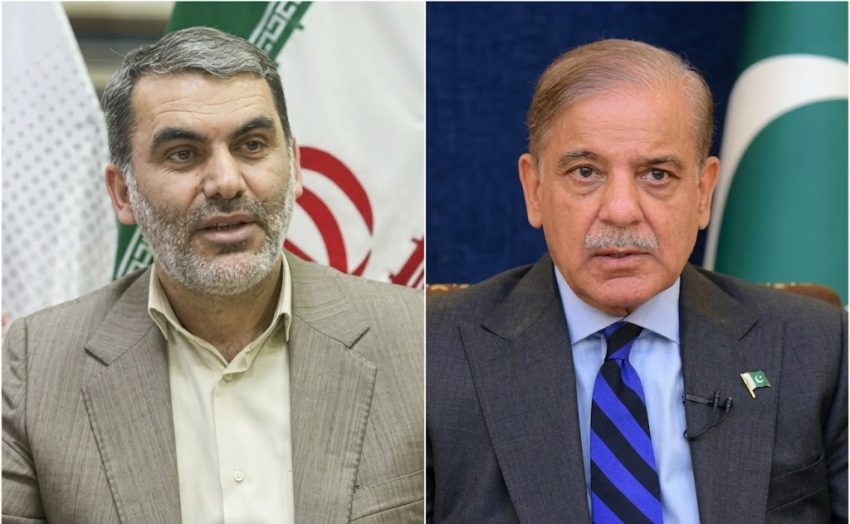
Mohsen Zanganeh, head of the Economic Committee of Iran’s parliament, took a dig at Prime Minister Shehbaz Sharif over Pakistan’s efforts to facilitate a settlement between Washington and Tehran. “The first time he tweeted, it was forwarded by Mr Steve Witkoff. Even their tweet was written by the Americans,” Zanganeh alleged during a speech, apparently referring to Sharif’s posts on social sites.
🚨پاکستان کی ثالثی پر ایرانی رکنِ پارلیمنٹ کا طنز
’’یہاں تک کہ ان کی ٹویٹ بھی امریکیوں نے لکھی تھی۔‘‘ایرانی پارلیمنٹ کی اقتصادی کمیٹی کے سربراہ محسن زنگنہ نے ایران اور امریکہ کے درمیان جنگ ختم کرانے کے لیے پاکستان کی ثالثی کا مذاق اڑاتے ہوئے کہا کہ پاکستان کی پارلیمنٹ کے اسپیکر کی ٹویٹ بھی وٹکوف نے لکھی تھی۔
— Pakistan international پاکستان انٹرنیشنل (@Pakintlnews) October 10, 2026
The post initially included word “Draft” before it was edited, drawing widespread attention online. Sharif called on US President Donald Trump to give diplomacy more time, urged Iran to reopen the Hormuz temporarily and appealed for a ceasefire to create space for negotiations.
Zanganeh’s remarks added a new layer of controversy to Pakistan’s mediation efforts, which have sought to prevent the confrontation from escalating into a wider regional war.
The controversy is particularly striking against backdrop of the security arrangements reportedly made when Pakistan hosted the Islamabad talks in April.
Pakistani security forces and the Pakistan Air Force mounted extensive and sophisticated operation to protect the Iranian delegation against potential Israeli threats. The reported level of concern was exceptionally high, with people familiar with the arrangements suggesting that they had felt less apprehensive during periods when India was threatening Pakistan.
Pakistan’s involvement has required more than public appeals for peace. Islamabad attempted to maintain communication between two adversaries whose disagreements over security, sanctions, military activity and the Strait of Hormuz have repeatedly threatened diplomatic progress.
Against this backdrop, Zanganeh’s remarks have prompted questions about whether Pakistan’s efforts are being fairly assessed in Tehran.
Pakistan Brokers US-Iran Peace Deal: How Islamabad Shocked the World
Despite the criticism, Pakistan’s diplomatic role carries potential benefits for both sides and the wider international community. Being bridge between Washington and Tehran, Islamabad helps relay proposals, reduce misunderstandings and prevent diplomatic contacts from collapsing when direct negotiations become difficult.
Even a temporary ceasefire can provide an opportunity to resume talks, facilitate humanitarian assistance and reduce the risk of further military escalation.
US and Iran have been locked in conflict since February 28, with Pakistan attempting to facilitate a diplomatic settlement. A temporary ceasefire created an opening for negotiations, but it has not resolved the underlying disputes.
Military exchanges and tensions around Hormuz continued, as Tehran position on the waterway remains major obstacle. Tehran has maintained that reopening the Strait of Hormuz depends on conditions set out in its interim understanding with Washington, while disagreements over the sequence of steps required for a settlement have continued.