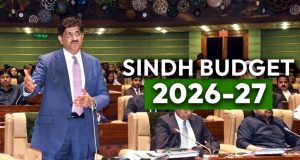


ISLAMABAD – Pakistani government announced wide-ranging package of tax reforms, introducing relief measures for consumers and businesses while tightening compliance requirements for retailers and undocumented suppliers.
Among the key measures, the advance tax on foreign transactions carried out through debit and credit cards has been reduced sharply from 5% to 0.5%. The move is expected to provide relief to individuals making international online payments, including subscriptions, travel bookings, and e-commerce transactions.
The government also abolished the Capital Value Tax (CVT), removing a tax that had drawn criticism from investors and taxpayers in recent years.
The reform package also introduces a fixed tax regime for small retailers. Under the new system, retailers with an annual turnover of up to Rs. 200 million will pay tax at the rate of 1% of annual sales. Officials said withholding taxes may be adjusted against the liability; however, a minimum tax payment of Rs. 25,000 will remain mandatory at the time of filing annual income tax returns.
Changes have also been made to the sales tax structure for the Fast-Moving Consumer Goods (FMCG) sector. FMCG products have now been brought under the Third Schedule, meaning sales tax will be charged on the basis of the Maximum Retail Price (MRP).
Individuals and Associations of Persons (AOPs) purchasing goods from unregistered suppliers will now be required to withhold and deposit an amount equal to 5% of the value of supplies at the time of payment. The measure is aimed at increasing documentation of businesses operating outside the formal tax system.
In a major administrative reform, the government has also established a National Faceless Assessment Centre. Under the new mechanism, tax assessments will be conducted digitally through a faceless assessment system to reduce direct interaction between taxpayers and tax officials.
The measures are part of the government’s broader effort to modernize tax administration, improve compliance, and expand the country’s tax base while offering targeted relief in selected sectors.
Budget 2026–27: Relief for Businesses as Super Tax Slabs axed