ISLAMABAD – Electricity bills could soon jump as Pakistan pushes ahead with a sweeping tariff overhaul. The move, part of an IMF-backed programme to stabilise the country’s struggling power sector, promises relief for industries but threatens to hit middle- and lower-income families hardest.
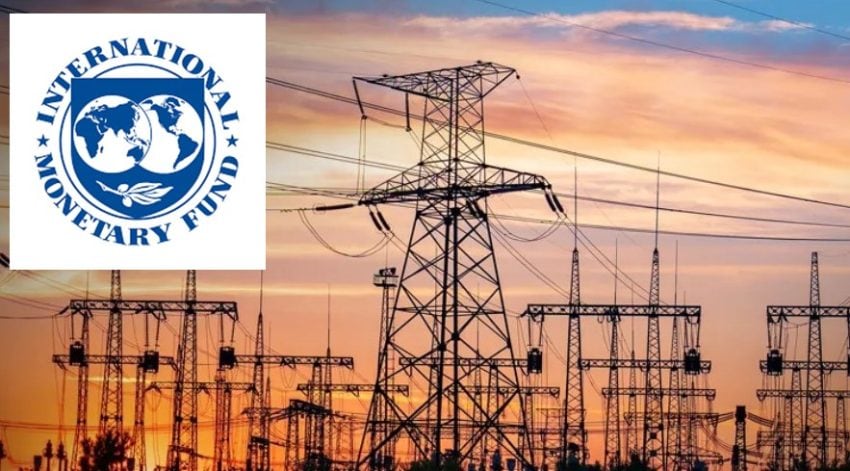
As the South Asian nation is bracing for fresh electricity price shock, International Monetary Fund scrutinises a sweeping power tariff overhaul that could sharply raise household bills.
The global lender said it is holding discussions with Pakistan to determine whether the proposed tariff changes is in line with country’s bailout programme, and whether they could dent the economy, triggering inflation, with middle- and lower-income families expecting to bear the brunt.
The proposed shake-up comes as Islamabad races to meet conditions tied to its $7 billion Extended Fund Facility, a long-term IMF loan designed to tackle deep-rooted economic weaknesses. Analysts warn the plan could lift inflation even as it delivers long-sought relief to energy-hungry industries.
Amid major changes, experts warn middle-class families could see bills jump by up to 50–76%, even as industrial electricity rates fall by 13–15%, saving roughly 102 billion rupees ($365 million) in subsidies.
Inflation spiked near 40% in 2023, and it cooled to 5.8%, but experts caution the tariff changes could reignite price pressures, hitting already-strained household budgets.
The government also shakes up solar energy plan. Payments for electricity exported to the grid have been cut, threatening to transfer costs from 466,000 solar households to 37.6 million grid consumers. Prime Minister Shehbaz Sharif has ordered an urgent review to prevent the fallout.
These fixed charges could push consumers to abandon the grid entirely, risking the long-term stability of Pakistan’s electricity system.