
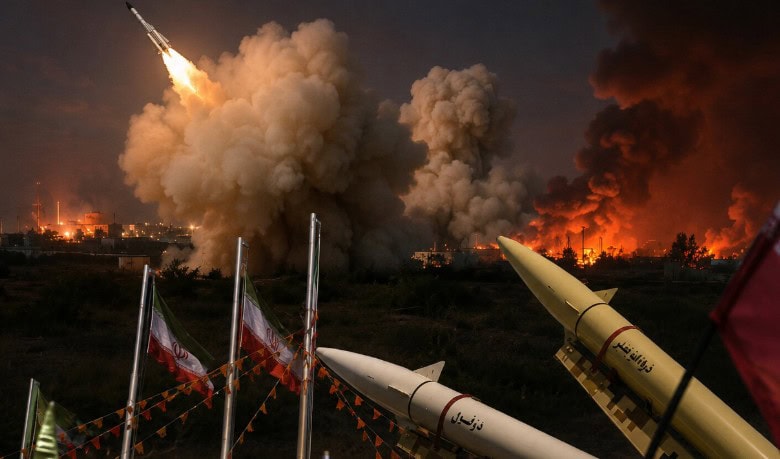
WASHINGTON/TEHRAN – United States conducted another wave of massive strikes against Iran amid escalating tensions across the Middle East as US President Donald Trump warned Tehran that it must “behave better” or face increasing pressure.
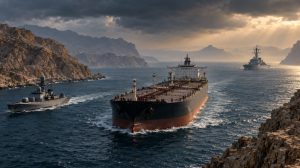
CENTCOM said US forces targeted coastal defence systems, cruise missile stockpiles, launch sites on Greater Tunb Island, command centres, air-defence installations, missile and drone infrastructure, and coastal surveillance facilities in Bandar Abbas and other locations overlooking the Strait of Hormuz.
🚨🇺🇸🇮🇷JUST NOW
US forces fired HELLFIRE MISSILES at an oil tanker attempting to reach Iran’s Kharg Island!
The ship ignored the US naval blockade, so an American aircraft struck its smokestack disabling the vessel. pic.twitter.com/3Qf4fxPndj
— WAR (@warsurv) July 16, 2026
The latest US operation targeted Iranian military capabilities threatening commercial shipping through the Strait of Hormuz. American forces also said they engaged a vessel attempting to breach a recently reinstated naval blockade around Iranian ports, signaling a major expansion of Washington’s military campaign.
As explosions echoed across several parts of Iran, air defence systems were activated over Tehran, with similar activity reported in Pakdasht and Parchin near the capital. Local officials in Semnan reported damage to sections of the city’s airport following strikes, while explosions were also reported in Khorramabad.
Fresh attacks were also reported in Khondab, a strategically important site in Markazi province that houses one of Iran’s heavy-water facilities and has previously been targeted during periods of heightened tensions.
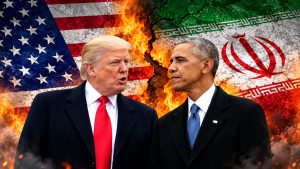
The renewed military offensive comes despite an earlier understanding aimed at reducing hostilities between Washington and Tehran. Instead, the two longtime adversaries have intensified both military operations and political rhetoric, raising fears that the confrontation could evolve into a wider regional conflict.
Speaking to reporters, President Trump refused to set a formal deadline for Iran but issued a clear warning. “I don’t like giving deadlines, but they know exactly what the situation is. They have to behave better.” Trump later said Iran was eager to reach a settlement but suggested Washington would determine whether diplomacy remained an option or whether the confrontation would continue.
Attacks on Jordan, Kuwait
While US strikes intensified inside Iran, Tehran claimed it had launched retaliatory attacks against American military assets across the region, including installations in Bahrain and Kuwait.
The conflict widened further as Jordan announced that its armed forces intercepted eight Iranian missiles heading toward the kingdom. According to the state-run Petra News Agency, the interceptions caused neither casualties nor significant damage. Jordanian military officials said engineering teams secured missile debris while maintaining the country’s highest level of operational readiness.
Kuwait also reported intercepting four cruise missiles and 21 drones launched from Iran between Wednesday and early Thursday. Both Kuwait and Bahrain said they remained engaged in intercepting incoming projectiles as air raid sirens sounded and emergency alerts were issued across both countries.
The latest escalation has once again placed Hormuz at the centre of global attention. As one of the world’s busiest energy corridors, any disruption to shipping through the waterway has immediate consequences for international markets. Reports of slowing tanker traffic have already contributed to higher oil prices and renewed concerns over global energy security.
Iran’s Qeshm Island under fire as New US Attacks fuel fears of wider ME War