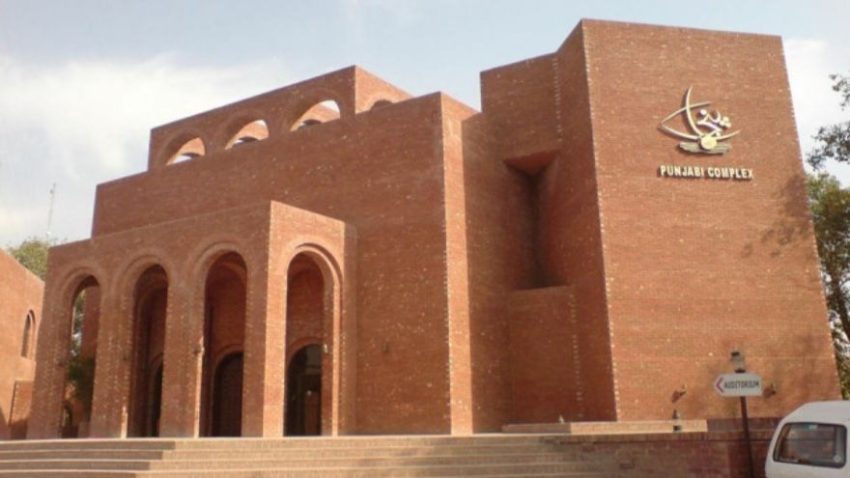
LAHORE – The Punjab Institute of Language, Art & Culture (PILAC) has released its latest newsletter covering January to April 2026, presenting a detailed account of its performance across language promotion, cultural programming, publications, and digital initiatives.
The publication outlines a wide-ranging set of activities undertaken during the first quarter of the year, reflecting the institute’s continued efforts to preserve and promote Punjabi language, literature, and heritage. It also highlights measurable achievements, including large-scale digitisation, literary awards, and youth-focused cultural engagement.
According to the report, PILAC’s initiatives remain aligned with a broader vision of cultural revitalisation, with emphasis on innovation, accessibility, and youth participation. The institute has actively used both traditional and digital platforms to expand its outreach while safeguarding Punjab’s linguistic and artistic identity.
A key feature of the period was the organisation of educational and professional development programmes. These included a filmmaking workshop offering hands-on training in scriptwriting, cinematography, and direction, alongside a structured Gurmukhi learning certificate course designed to promote literacy in the historic script among new generations.
In the literary domain, the newsletter highlights the PILAC Best Book Awards 2024, with a total prize distribution of Rs1.8 million across multiple categories. Winners were recognised in poetry, prose, research, children’s literature, and translation, reflecting a broad spectrum of Punjabi literary excellence.
The institute also hosted the Inter-University Punjab Natak Competition, which drew participation from more than 15 universities. The University of Education, Joharabad Campus secured first position, followed by Kinnaird College for Women, while Beaconhouse National University and COMSATS University jointly placed third. The competition carried a total prize pool of Rs600,000 and aimed to promote Punjabi theatre among young performers.
Publishing and literary development remained a central focus. On April 7, 2026, the publication committee approved several manuscripts covering poetry, research, and literary criticism, ensuring continuity in Punjabi scholarship. In addition, PILAC continued its republication initiative to bring high-demand and historically significant works back into circulation.
The institute’s literary magazine Trinjin also featured prominently, serving as a platform for poets, writers, and researchers to present contemporary and classical Punjabi works.
Broadcasting emerged as another strong area of performance. The FM-95 Punjab Rung network recorded a revenue milestone of Rs10 million during the four-month period, driven by innovative programming centred on Punjabi literature, folk traditions, and cultural storytelling. The network also expanded its reach through digital streaming, allowing audiences beyond Punjab to access its content.
Digital preservation efforts marked one of the most significant achievements. PILAC digitised 16,000 books and produced 150 audiobooks, making Punjabi literature more accessible, particularly for visually impaired audiences and global readers. These initiatives aim to preserve rare manuscripts and ensure long-term access to cultural resources.
Cultural programming during the period included several exhibitions and intellectual engagements. A calligraphy exhibition held from April 8 to 10 featured 47 artists and focused on the spiritual and aesthetic dimensions of Islamic script, alongside plans for youth training in digital calligraphy.
Another highlight was the photography exhibition titled The Glorious Turkey, showcasing architectural and landscape imagery and reinforcing cultural links between Punjab and Türkiye.
The institute also organised a seminar on “Tasawwuf and the Modern Era” in collaboration with PUCAR, drawing significant public interest in discussions around spirituality and contemporary society.