ISLAMABAD/NEW DELHI – India’s decade-long diplomatic strategy to isolate Pakistan failed to convince international community. Instead, Pakistan remained diplomatically active, maintaining ties with major powers such as China and re-engaging with US, while also strengthening links across parts of the Gulf and other regions.
A recent report by Al Jazeera said the long-running effort under PM Narendra Modi to diplomatically isolate Pakistan has not produced any outcomes. The assessment looks back nearly a decade to when Modi makes big claims of Pakistan’s global isolation.
Analysts now believe that Pakistan is far from isolated today. Instead, it has managed to stay engaged with multiple major powers and regional actors, often by adjusting to changing geopolitical conditions.
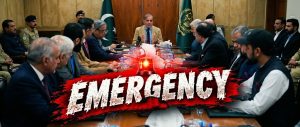
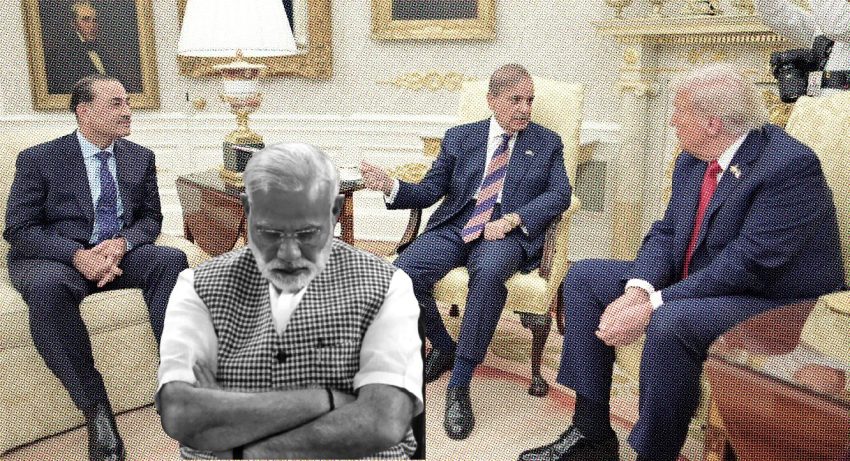
A key point highlighted is Pakistan’s continued close relationship with Beijing, which remains its most consistent strategic partner. At the same time, the report says Pakistan has also seen renewed engagement with the US during Donald Trump’s presidency, with senior Pakistani leadership, including Prime Minister Shehbaz Sharif and top military officials, reportedly meeting him at the White House. Pakistan has also been described as playing a role in broader diplomatic conversations involving the US and Iran.
Pakistan has been effective in presenting itself as a useful diplomatic partner, especially during moments of regional tension, allowing it to maintain relevance among both superpowers and regional blocs. In contrast, India and Pakistan relations remain largely stalled. Diplomatic communication is minimal, and tensions along the border have continued, including a brief but intense conflict in 2025.
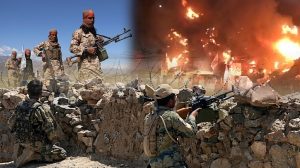
During May skirmishes, Pakistan shot down several Indian military aircraft, including Rafale jets, Su-30s, MiG-29s, Mirage 2000s, and drones. The fighting ended with a ceasefire on May 10, 2025. While India maintains that the ceasefire was reached bilaterally, the United States has been described by Trump as playing a mediating role in stopping the escalation. Trump has also repeatedly claimed that Pakistani forces downed Indian aircraft during the conflict.
The report notes that India did not strongly or immediately respond to some of these claims, which analysts say may have influenced international perceptions of the conflict. It also suggests that India struggled to build global consensus around its position on Pakistan’s alleged role in the incident that triggered the fighting.
Another point raised is that India’s reluctance to acknowledge US involvement in the ceasefire may have contributed to some diplomatic strain with Washington. Meanwhile, Pakistan openly credited Trump’s role and even supported his Nobel Peace Prize nomination.
On the wider diplomatic landscape, the report points to shifting regional alignments. Pakistan’s ties with China became more visible during the conflict, including reported use of Chinese military systems. Bangladesh’s political changes have also reportedly led to improved relations with Pakistan.
Desperate India however strengthened its strategic partnership with Israel, becoming a major defense supplier and increasingly aligning with it in international forums. According to the report, this has complicated India’s relationships with some Gulf countries.
At the same time, Pakistan has expanded its engagement with Gulf states. A major development came in September 2025, when Saudi Arabia signed a mutual defense agreement with Pakistan, and there are also reports suggesting that other Gulf countries and Türkiye may explore similar arrangements.
How Modi’s India Silences Journalists, and What Helle Lyng Exposed by Simply Doing Her Job