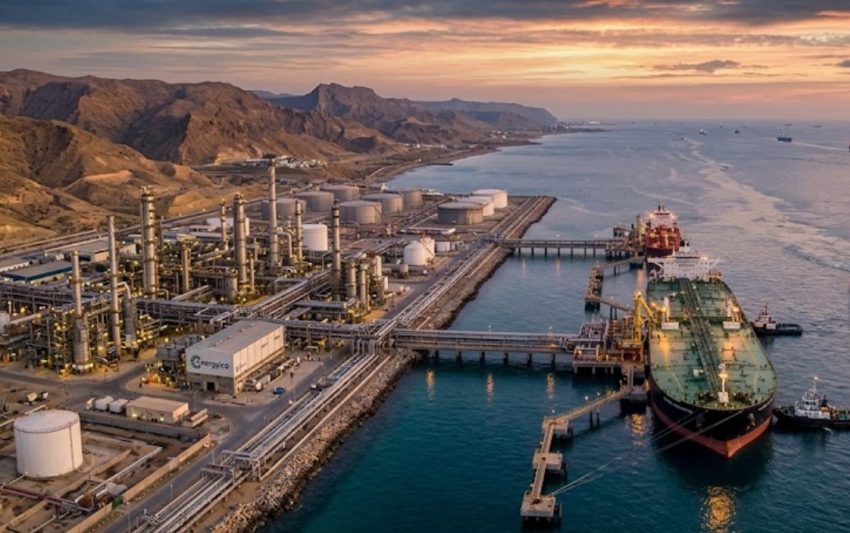
KARACHI – Oil remains one of key factors in Pakistan’s inflation cycle, as the country imports roughly $20 billion worth of petroleum products annually. Pakistan’s already strained fuel supply chain is facing another grim situation as the suspension of oil loadings from Saudi Arabia’s Yanbu port threatens to cut off a key route used to bring crude into the country.
The disruption comes as Houthi attacks intensify around Red Sea and Saudi Arabia’s East-West oil pipeline remains offline amid attacks on its infrastructure. Oil loadings at Yanbu were suspended after the pipeline shutdown.
For Pakistan, the timing is particularly sensitive.
The country has been relying more heavily on alternative routes after the Strait of Hormuz became severely disrupted amid the wider regional conflict. Yanbu and the UAE’s Fujairah port emerged as important supply points, but the latest developments have put another major route under pressure.
Industry experts warn that if the disruption continues, Pakistan could face a difficult combination of higher oil prices, rising freight and insurance costs, longer shipping times and possible supply shortages.
Yanbu route
Pakistan increasingly turned toward Saudi Arabia’s Red Sea port of Yanbu after disruptions to shipping through the Strait of Hormuz. Saudi East-West pipeline was particularly important because it provides a route for moving crude from the kingdom’s oil-producing areas in the east toward Yanbu on the Red Sea, bypassing Hormuz.
The roughly 1,200-kilometre pipeline was temporarily shut after attacks damaged infrastructure along the route. International reports say the disruption could affect several million barrels per day of Saudi crude flows.
The suspension of Yanbu oil loadings has created another problem for countries such as Pakistan that had been using the Red Sea route to secure supplies. Islamabad previously got Saudi crude through Yanbu, with industry representatives saying shipments to Pakistani refineries had effectively stopped following the latest disruption.
UAE’s Fujairah port remains an important alternative. But oil industry analyst Afia Malik has warned that Fujairah alone cannot meet Pakistan’s entire petroleum requirement. That means Islamabad may have to look beyond the Gulf for additional crude and petroleum supplies if Yanbu remains unavailable.
One possibility is increasing imports from the United States and West Africa. Some oil companies are already been importing crude from those markets for around a year, meaning the infrastructure and commercial relationships for such supplies are already in place.
The government is also considering sourcing oil from outside the Gulf to reduce its exposure to the increasingly vulnerable regional routes. But there is a catch.
Moving crude from the US or West Africa to Pakistan would involve longer sea journeys. That means higher freight charges, insurance premiums and transportation costs. Those expenses would eventually feed into the domestic petroleum price structure.
For Pakistan, the problem is therefore no longer simply about finding oil. It is about finding enough oil quickly and cheaply enough to prevent another major shock to consumers.
If Bab Al-Mandeb Strait becomes unusable, tankers could potentially avoid Red Sea altogether and travel around southern Africa through the Cape of Good Hope. But that would significantly extend the journey.
The alternative route could add around 10 days to the voyage. For an import-dependent country, those additional days matter. Longer voyages mean more fuel consumption by vessels, higher insurance costs and increased freight charges, all of which could ultimately push up the price of petroleum products in Pakistan.
Pakistan may have some short-term breathing space because oil cargoes have already been booked.
Oil companies and refineries also have some stocks available. That could help Pakistan avoid immediate fuel shortage. But situation becomes more uncertain if disruption continues for several more weeks. The next month appeared manageable but warned that Pakistan could begin facing difficulties in November if the crisis persisted.
The supply concerns are already feeding into international oil markets. Oil prices surged after the Yanbu disruption and Saudi cargo cancellations, with Brent settling around $108.75 per barrel and WTI at about $105.83 on September 15.
Oil prices had reached around $125-$126 per barrel and estimated that this level could translate into an increase of roughly Rs14 to Rs15 per litre in petrol and diesel prices in Pakistan. If crude prices climb further, the impact could become substantially larger. And the consequences would not stop at petrol pumps.
Pakistani government has already announced austerity and fuel-conservation measures, including earlier closing times for shops and markets. Such measures can reduce fuel consumption, but they cannot eliminate the underlying supply problem.
If crude imports become more expensive or shipments are delayed, the government would still have to secure additional cargoes to keep refineries and fuel markets supplied. The issue is particularly important for Pakistan because higher oil import costs can also increase pressure on foreign exchange reserves and the country’s import bill.
Saudi Arabia has been exploring ways to move crude through Oman, while industry sources have also suggested that Yanbu operations could resume earlier if repairs progress faster than expected. Recent reporting indicates that Saudi Arabia is already considering alternative export routes and cargo arrangements to ease the pressure created by the pipeline disruption.
For Pakistan, the biggest concern may not be an immediate fuel shortage but a prolonged regional crisis coinciding with higher global demand. Oil and gas cargoes will need to be secured well ahead of November and December, when winter demand rises internationally.
If attacks continue around the Red Sea, the Bab el-Mandeb remains under pressure and alternative shipping routes become necessary, Pakistan could find itself competing for increasingly expensive cargoes.
Oil Companies demand Rs66Billion in Dues as Liquidity Pressure threatens Fuel Supply