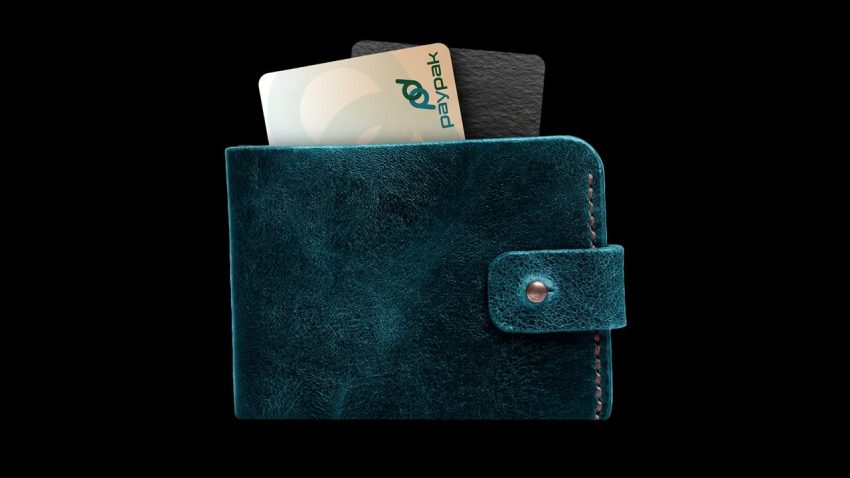
KARACHI – Pakistan is poised to have its first locally developed credit card under the first and only domestic payment scheme, PayPak, marking a significant milestone in the country’s financial and digital payments landscape.
On the sidelines of the 19th Mobile Commerce Conference 2026 held recently in Karachi, CEO-1LINK, Mr Najeeb Agrawalla, announced that the company, in collaboration with member banks and the banking regulator, is working to launch the PayPak credit card later this year.
He described the initiative as a potential game-changer for Pakistan’s banking sector, aimed at expanding financial inclusion, enhancing credit accessibility, and strengthening the country’s domestic payments ecosystem.
Mr Agrawalla said the PayPak credit card will be accepted nationwide, providing consumers with a locally managed alternative to international payment card networks.
One of the most compelling aspects of the credit card proposition is its accessibility to banks that have historically been unable to enter the credit card market due to the exorbitant operational costs of building and managing an independent card program.
The locally-developed credit card is offered on a pay-as-you-earn model, significantly lowering the financial barrier to entry and enabling smaller and mid-tier banks to participate in the credit card space. Additionally, participating banks have access to end-to-end card management services, removing the need for heavy upfront infrastructure investment. Coupled with a significantly faster time-to-market, this model will help democratize credit card issuance across Pakistan’s banking sector, bringing more institutions and, ultimately, more consumers into the formal credit ecosystem.
Highlighting Pakistan’s progress in digital payments, Mr Agrawalla said that Pakistan became the 28th country in the world in 2016 to operate its own domestic payment scheme, PayPak, and that many other countries took inspiration from us and introduced their own domestic payment schemes. Through PayPak, customers have already been benefiting from secure, reliable, and cost-effective services.
He further said that currently, the PayPak debit card has witnessed growing adoption across various payment segments, including government-to-person (G2P) disbursements, person-to-merchant (P2M) transactions, e-commerce platforms, and retail outlets. The launch of a credit card product is expected to further strengthen the scheme’s market presence and support the country’s transition toward a cashless economy.
Since its launch, PayPak has evolved from a single card product into a diverse portfolio of variants, each designed to meet the distinct needs of Pakistani consumers—from family-focused protection plans to weekly e-commerce discount campaigns, and cards that seamlessly function both domestically and internationally through co-badged arrangements. Today, PayPak commands a 28% market share with over 16.1 million cards in force, reflecting a decade of steady growth and deepening consumer trust.
The PayPak Credit Card represents the next phase of this journey, extending the benefits of Pakistan’s domestic payment infrastructure into the credit space and creating greater opportunities for consumers to access formal financial services through a locally managed platform.
More than a payment instrument, PayPak has come to represent a broader conviction: that Pakistan’s financial future is best built on Pakistan’s own infrastructure.
Industry experts believe that the introduction of a domestic credit card scheme could increase competition in the payments market, lower transaction costs for banks and merchants, and support the government’s broader agenda to promote digital financial services and reduce dependence on cash.
At the conference, experts from the banking and telecom sectors highlighted key developments and new initiatives in digital payments, financial inclusion, smartphone penetration, and the rising consumer adoption of electronic payment channels.