
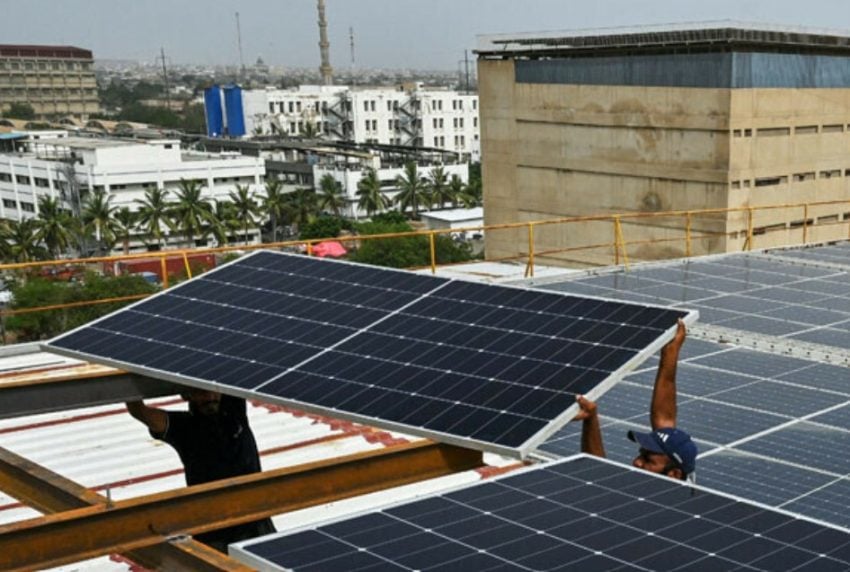
KARACHI – As solar panels started appearing on every other rooftop across Pakistan, a policy shift sent ripples through Pakistan’s clean-energy dream. Nepra’s newly released draft rules propose cutting net metering payments, limiting system sizes, and tightening contracts.
National Electric Power Regulatory Authority (NEPRA) unveiled draft regulations proposing sweeping changes to country’s solar net metering system. The proposals include halving payments for surplus electricity, restricting solar system sizes, shortening contract periods, and imposing new grid-level limits, triggering concern among consumers and industry stakeholders alike.
The draft Prosumer Regulations, 2025, released for public consultation with a 30-day deadline for feedback, expected to replace the net metering rules introduced in 2015. Nepra said these changes are necessary to protect the stability of the power system, even as solar adoption surges across South Asian nation.
Under the proposed framework, consumers will no longer be allowed to install solar systems larger than their approved electricity load. This marks a sharp departure from current rules, which permit installations up to one-and-a-half times the sanctioned load. A consumer with a 10-kilowatt approved load, for example, would now be limited to a 10-kilowatt solar setup.
Nepra clarified that existing net metering consumers will not face immediate changes. They will continue under their current seven-year agreements until expiry, after which the new regulations will apply. The new applicants could face shorter contract durations, as Nepra has proposed reducing net metering agreements from seven years to five years. Any extension beyond that period would depend on mutual consent between the consumer and the power distribution company.
One of most dramatic proposed changes is a steep cut in the rate paid for excess electricity supplied to the grid. Instead of the current buyback rate of around Rs26 per unit, consumers would be paid the National Average Energy Purchase Price, estimated at roughly Rs13 per unit—effectively slashing earnings by half.
The regulator acknowledged that soaring electricity tariffs, heavy taxes, and rising surcharges have driven consumers toward solar power. According to Nepra, grid-connected solar capacity has now crossed 6,000 megawatts, while total solar capacity nationwide has exceeded 13,000 megawatts, highlighting the scale of the shift.
The draft rules also introduce local-level caps. Distribution companies will be barred from accepting new net metering applications once solar generation connected to a transformer reaches 80 percent of its capacity, citing safety risks and grid stability concerns.
For large-scale solar installations of 250 kilowatts or more, applicants will be required to submit detailed technical studies to demonstrate that the grid can safely accommodate the additional load. Power companies will also be bound by defined timelines for reviewing applications, issuing cost estimates, and completing connections.
Nepra insists proposed changes are aimed at keeping the electricity system stable while still allowing consumers to benefit from solar energy. Public comments have been invited before the draft regulations are finalized, setting the stage for intense debate over the future of net metering in Pakistan.
Big Cut in Solar Prices as rates drop by Rs1.5Lac; Check New Rates