
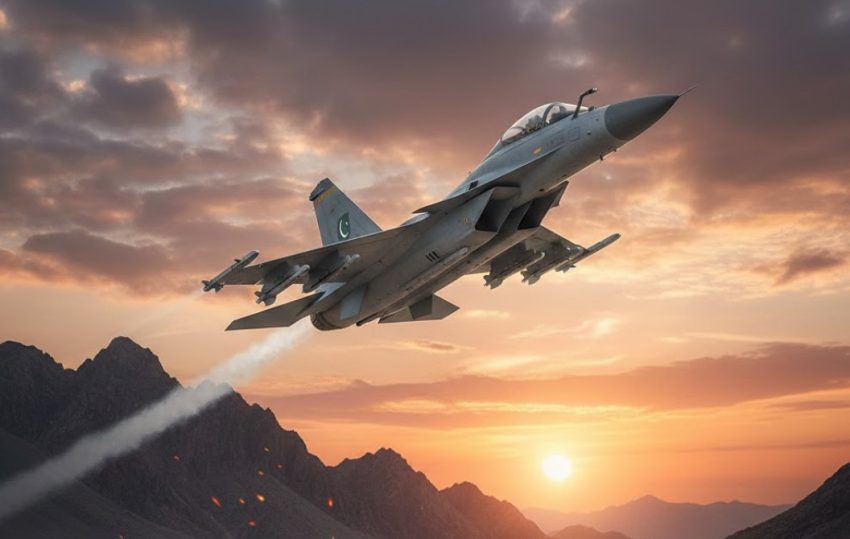
Somalia is once again dreaming of skies patrolled by its own pilots and sovereign warplanes. Talks with Pakistan over a potential fleet of JF-17 fighter jets transformed from technical discussions into a symbol of national resurgence, which is an attempt to reclaim control of airspace long reliant on foreign partners.
The momentum gathered pace after high-profile visit to Islamabad by Mohamud Sheikh Ali, where strategies for rebuilding a modern combat capability were quietly explored. For a country situated in the strategically vital Horn of Africa, the stakes are immense, and war-tested jets of Pakistan Air Force will help the nation in air defence.
The East African nation is reportedly negotiating to buy up to 24 JF-17 Block III fighter jets from Pakistan. If sealed, the deal, worth roughly $900 million, would be the nation’s most audacious military investment since the Cold War, marking an all-out attempt to resurrect an independent air combat force after decades of collapse.
JF-17 currently priced at roughly $30–40 million per aircraft, is a cost-effective solution which offers integrated combat capabilities at a fraction of the expense of Western alternatives.
Defence officials in Pakistan highlighted the financial and strategic logic behind the proposal. Officials noted that Western fighter jets often cost more than triple the JF-17’s price tag, making the Chinese-Pakistani platform attractive to nations seeking modern firepower without crippling budgets or political strings attached.
The aircraft’s operational track record and modular weapons systems, arguing that it provides a complete combat package, training, logistics, and maintenance.
Pakistan’s JF-17 Thunder jets gain strong attention at Riyadh defense exhibition