
ISLAMABAD – Pakistani government moved to reassure nation that Pakistan’s fuel supply remains secure. On Monday, the Committee to Monitor Petrol Prices confirmed that the country has sufficient petroleum stocks and planned imports to meet fuel demand throughout March and into the coming weeks.
The high-level meeting was chaired by Finance Minister Senator Muhammad Aurangzeb, who reviewed Pakistan’s energy security situation in the backdrop of evolving regional tensions that could potentially impact global supply routes. Officials briefed the committee that the country’s fuel requirements for March have already been fully secured and that current inventories, along with scheduled cargo arrivals, will ensure availability of petroleum products until at least mid-April.
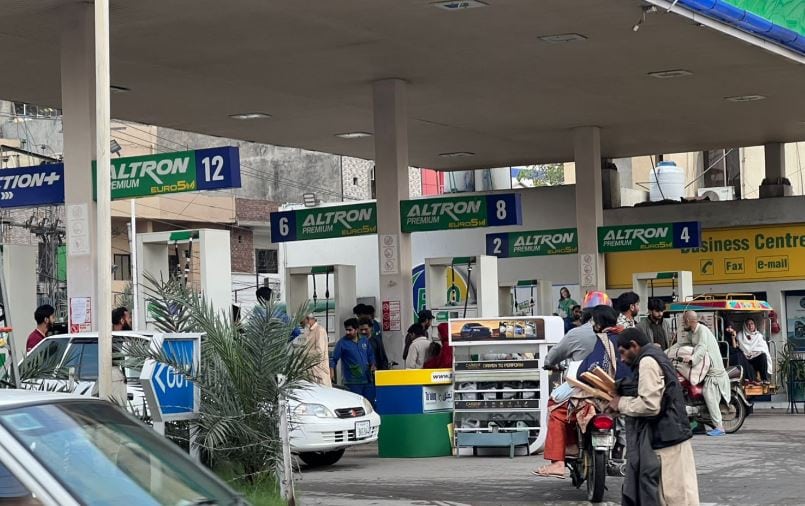
During the meeting, the finance minister strongly dismissed speculation about shortages and warned that there is no justification for panic buying or unnecessary stockpiling of petrol by the public. He stressed that the government is closely monitoring the situation and that the current supply outlook remains stable.
The session brought together key members of federal cabinet and senior officials responsible for the country’s energy and financial management. Among those present were Federal Minister for Petroleum Ali Pervaiz Malik, Federal Minister for Maritime Affairs Muhammad Junaid Anwar Chaudhry, the governor of the State Bank of Pakistan, and senior representatives from relevant ministries, divisions and regulatory bodies.
The committee carried out detailed review of petroleum product stocks across Pakistan. Officials provided an extensive briefing on national reserves of crude oil and refined petroleum products, ongoing import arrangements and the logistics involved in maintaining the country’s supply chain.
According to officials, Pakistan holds sufficient fuel stocks to comfortably meet national demand for the month of March. Based on the existing cargo planning and supply arrangements, petroleum product coverage is already secured until mid-April. Authorities also informed the meeting that further steps are being taken to extend fuel coverage through the end of April.
A statement issued by the Finance Division after the meeting said that current inventory levels and scheduled imports show that Pakistan maintains comfortable reserves of crude oil and key petroleum products. It added that appropriate planning has been put in place to ensure that fuel availability continues smoothly during April as well.
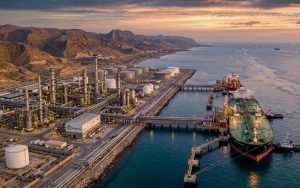
The meeting also examined procurement patterns and maritime logistics in the context of ongoing regional developments that could affect shipping routes and international markets. During the discussion, members emphasised the need to diversify sources of petroleum imports to strengthen the resilience of Pakistan’s energy supply chain.
Officials told the committee that procurement strategies are already being adjusted to expand sourcing from international markets. The goal is to reduce dependence on any single supply corridor and enhance the country’s overall energy security in the face of global uncertainties.
Speaking during the meeting, Finance Minister Muhammad Aurangzeb reiterated that ensuring the uninterrupted supply of petroleum products remains a top priority for the government. Based on the reports presented, he said the current stock position and supply outlook remain stable, leaving no room for public panic.
The committee directed relevant authorities to remain vigilant against hoarding and market manipulation. Working in coordination with the Oil and Gas Regulatory Authority (OGRA) and provincial governments, departments have been instructed to closely monitor stock levels and market activity across the country.
Officials warned that any attempt to create artificial shortages, disrupt normal fuel supply or exploit the situation through hoarding would be dealt with strictly under the law.
Reaffirming the government’s commitment to maintaining stability in the energy market, the finance minister directed all concerned ministries, regulators and agencies to maintain close coordination and continue strict monitoring of petroleum stocks and supply flows. He emphasised that timely information and transparent communication are essential to maintaining public confidence.