
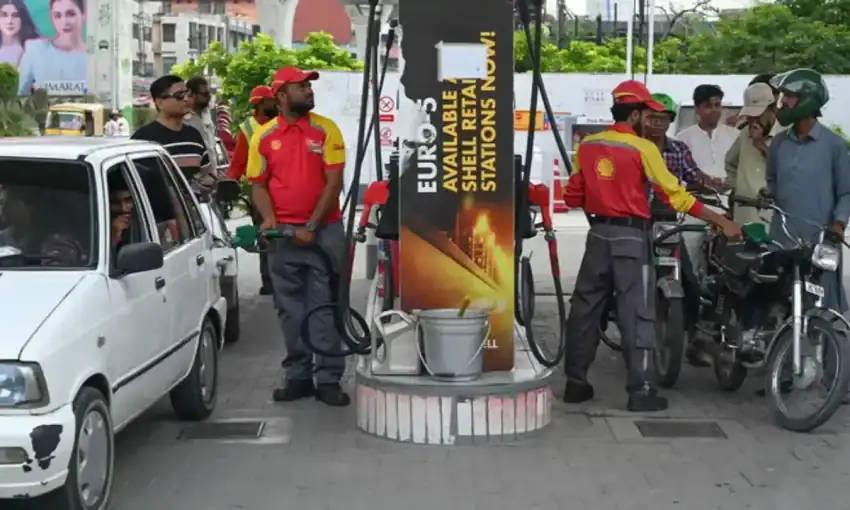
ISLAMABAD – A big jump in petrol prices triggered by the US-Iran conflict pushed Pakistanis to brink and now the petroleum levy has reached record levels. Many fear that it could bring even tougher economic challenges for households nationwide with no increase in income.
Pakistani government imposed major increase in petroleum levy shortly after raising fuel prices, intensifying fears of an even greater financial burden on inflation-weary masses. As per official data, the petroleum levy on petrol has been increased by Rs55 per liter, pushing the levy to an unprecedented record level of Rs160.61 per liter. Previously, the levy hovered at Rs106 per liter.
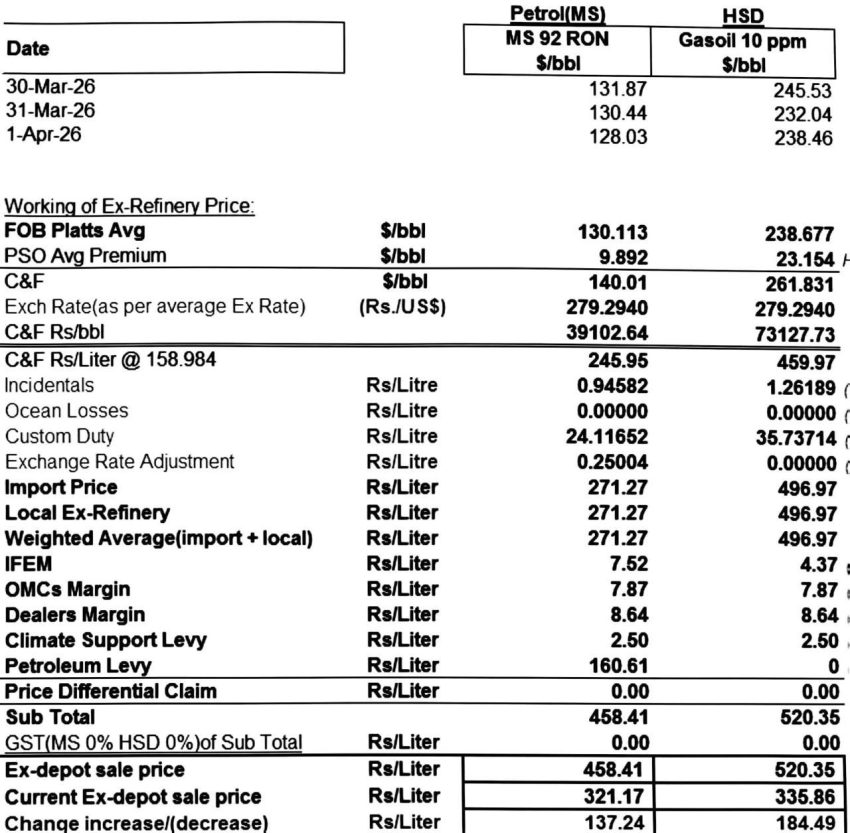
The decision is part of broader fiscal strategy. For current fiscal year, authorities have set an ambitious petroleum levy collection target of Rs1,468 billion. Officials believe that the steep hike in the levy will help the government boost non-tax revenue and improve the country’s financial position. However, the levy increase comes on top of an already dramatic surge in petroleum product prices that has left consumers stunned.
The price of petrol has been raised by Rs137.23 per liter, pushing the new price to 458.41. Meanwhile, high-speed diesel has seen an even sharper jump, increasing by Rs184.49, bringing the new price to 520.35 per liter
Jet fuel prices have climbed by 40 rupees and 2 paisa, reaching 517 rupees and 17 paisa per liter, while light diesel has increased by 29 rupees and 62 paisa, taking its price to 395 rupees and 3 paisa per liter.
These back-to-back increases are bringing a fresh wave of inflation across Pakistan. Since fuel prices directly influence transportation, manufacturing, and electricity costs, experts believe the ripple effects will soon be felt in the prices of essential goods, placing direct pressure on ordinary citizens already grappling with rising living expenses.
Free public transport announced in Punjab amid rising petrol prices