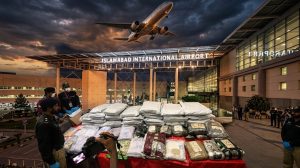
ISLAMABAD – Pakistan’s capital city Islamabad is set to host dramatic round of high-level diplomacy today on Friday as crucial negotiations aimed at securing a ceasefire between Tehran and Washnigton. Senior officials from both countries are arriving in Islamabad for what is being described as one of the most significant diplomatic efforts to ease rising tensions in the region.
The metropolis nestled in Margala Hills is under tight security ahead of high-level talks. The negotiations come just weeks after US and Israeli strikes on Iran escalated into a wider regional conflict, causing thousands of deaths, denting Middle East peace, and disrupting global energy markets. Tensions were further intensified by instability around the Strait of Hormuz, a vital oil and gas shipping route that was partially restricted during the conflict.
A Pakistan-mediated two-week ceasefire between Washington and Tehran has created space for dialogue, but it remains fragile due to disagreements over its terms and continued violence in the region, including strikes in Lebanon.
Senior delegations from the main parties are expected to meet at Islamabad’s Serena Hotel, located in the heavily secured Red Zone. The hotel has been cleared for the event, with authorities imposing strict security measures and shutting down normal operations in surrounding areas.
According to sources, the first round of discussions will take place today between delegations of both countries to determine the agenda for a key meeting scheduled for tomorrow morning. Officials revealed that the negotiations will be held at a secure and undisclosed location, completely away from media access. A direct face-to-face meeting between American and Iranian officials has also not been ruled out.
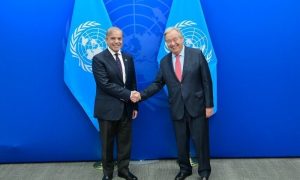
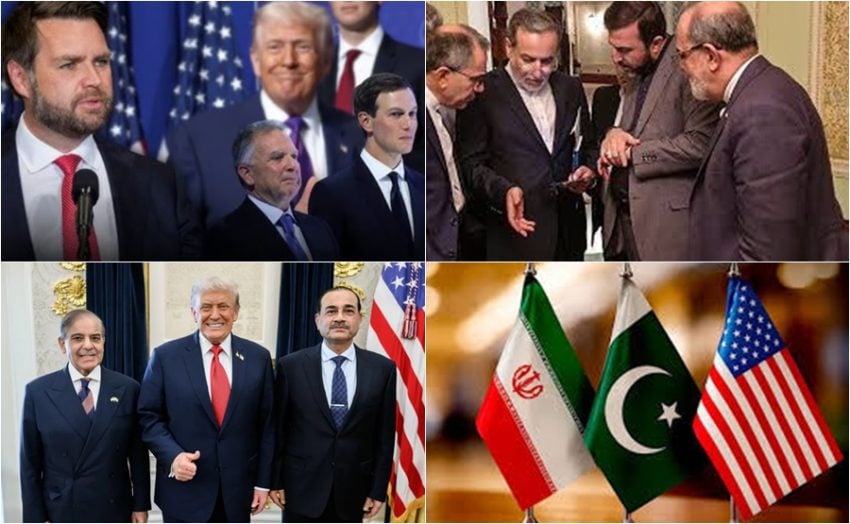
Prime Minister Shehbaz Sharif and Deputy Prime Minister Ishaq Dar are expected to participate in the negotiations, which observers are calling a major diplomatic breakthrough for regional peace.
US delegation will be led by Vice President J.D. Vance, with senior figures including Steve Witkoff and Jared Kushner also part of the team. Iran’s delegation will be headed by Foreign Minister Abbas Araghchi and Speaker Mohammad Bagher Ghalibaf.
Sources say the talks will focus on ending the current tensions, outlining a framework for a ceasefire and discussing key confidence-building measures. Pakistan, by hosting the negotiations, is playing a central role in bringing the two sides closer after weeks of escalating conflict.
Diplomatic circles believe the Islamabad talks could potentially open the door to improved relations between Iran and the United States while also contributing to broader stability across the Middle East.
The urgency of the talks comes as tensions between the two countries have intensified over the past 20 days, with clashes and military escalation raising fears of a wider regional conflict.
Both sides had previously submitted their demands for a ceasefire. Pakistan compiled these proposals into a draft during diplomatic consultations in Islamabad with the foreign ministers of Saudi Arabia, Türkiye and Egypt, and later presented the document to both Washington and Tehran.
Following this development, Prime Minister Shehbaz Sharif invited both countries to Islamabad for negotiations. The invitation was welcomed by both sides and earned Pakistan widespread international recognition for its diplomatic initiative.
United States has entered the negotiations with proposal addressing dismantling of Iran’s nuclear programme, ending support for armed groups in the region, restrictions on upgrades to ballistic missile systems, ensuring the security of key maritime routes, particularly reopening the Strait of Hormuz and promoting wider regional stability.
Iran, on the other hand, is believed to be presenting a 10-point framework that includes strong guarantees against future military action, a reduction in US military presence and interference in the region, new arrangements regarding the Strait of Hormuz, and the creation of a comprehensive regional de-escalation mechanism.
Tehran’s proposals are also expected to demand the removal of US sanctions and greater ease in oil exports.
Pakistan’s role as host and mediator has drawn global attention, with many diplomatic observers describing the country as an emerging peacemaker working to bridge the divide between two long-standing rivals
These behind-the-scenes diplomatic efforts have significantly elevated Pakistan’s status as a key player in international crisis mediation.
US President Donald Trump has expressed optimism that a peace agreement with Iran could be within reach. POTUS said progress in the Islamabad negotiations is moving in a positive direction and he remains hopeful that diplomatic efforts will soon produce results.
He also indicated that tensions in the region could begin to ease and suggested that Israel may scale back its attacks.
However, Trump warned that although Iranian leaders appear to be taking a reasonable approach in the talks, failure to reach an agreement could lead to a very painful situation.
US Forces to stay around Iran until ‘Real Agreement’ fully complied with, Trump says