
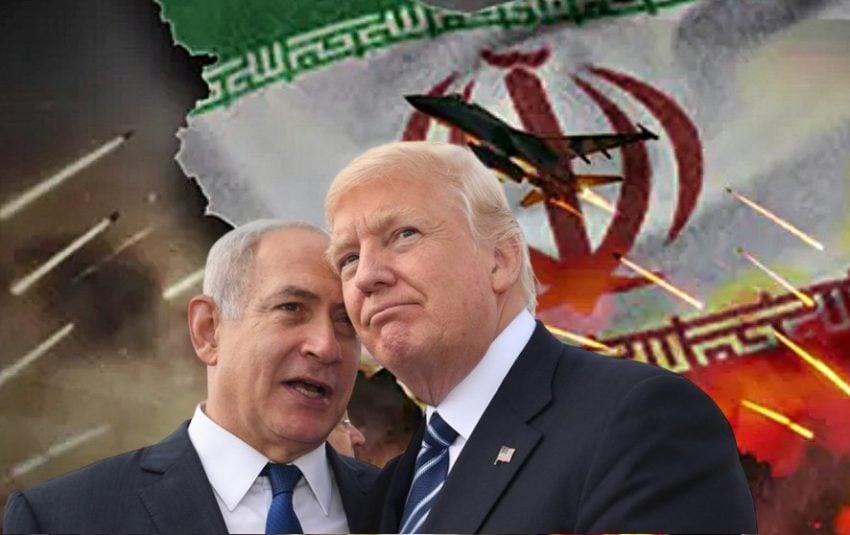
WASHINGTON – Israeli PM Benjamin Netanyahu held a secretive, high-stakes meeting with President Trump, which led to massive attacks on Iran, and unprecedented tensions in Middle East.
A report shared by NY Times shared a brieing at Situation Room where only group of advisers and intelligence officials along with POTUS received Israelif officials. Netanyahu presented confident case for striking Iran. Using maps, intelligence, and videos of potential Iranian successors, he argued that Iran’s missile program could be destroyed, its leadership removed, and a popular uprising might follow.
Donald Trump was impressed by presentation, signaling that Netanyahu successfully convinced him that decisive action against Iran was both possible and necessary.
In a tense, behind-closed-doors White House showdown on February 11, President Donald Trump faced one of the gravest decisions of his presidency. whether to plunge US into war with Iran.
Mossad director David Barnea and top Israeli military leaders laid out bold plan for regime change, asserting Iran was on the brink of collapse. A video was played of Iran’s potential leaders to replace Khamenei. Israelis claimed Iran’s missile program could be destroyed in weeks, the Strait of Hormuz would remain secure, and retaliation against the US would be minimal. Intelligence suggested that internal protests could erupt, possibly aided by Mossad, and Kurdish forces might even open a northern front.
Trump was visibly impressed, the report said. “Sounds good to me,” he told Netanyahu, signaling what appeared to be a green light. But back at the U.S. intelligence briefing, reality intruded. CIA Director Ratcliffe called the regime-change predictions “farcical,” while Rubio bluntly labeled them “bullshit.”
Trump and Natyanyahu however focused on assassinating Iran’s top leaders and crippling its military. The president’s hawkish instincts aligned with Netanyahu’s, even as skepticism ran high among White House officials. Vice President Vance warned of political, economic, and strategic risks, advocating only limited strikes. Yet in the end, all deferred to Trump’s judgment.
On February 26, in a tense Situation Room session, Trump listened to his advisers’ warnings on logistics, munitions, and potential backlash—but remained resolute. “I think we need to do it,” he declared, citing the need to block Iran from acquiring nuclear weapons and halting missile threats across the region.
Here’s Iran’s 10-Point Agenda Now for Talks with US in Pakistan