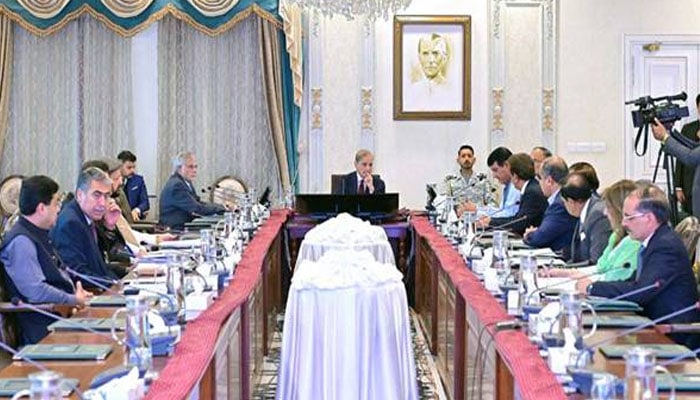
ISLAMABAD – The National Economic Council (NEC), chaired by Prime Minister Shehbaz Sharif, has approved key economic targets along with the Annual Development Programme (ADP) for the upcoming fiscal year.
The meeting was attended by the chief ministers of Sindh, Khyber Pakhtunkhwa, and Balochistan, while Punjab was represented by Senior Minister Maryam Aurangzeb.
Addressing the NEC meeting, Prime Minister Shehbaz Sharif said that consultations with the provinces on the budget had been ongoing for several weeks. He said discussions were also held on generating additional financial resources with the provinces, stressing that mobilising maximum resources remains a top priority.
The prime minister said that resources are required to address the challenge of terrorism and that ensuring adequate funding for defence is also a key priority.
He noted that the national economy has faced major challenges, but decisions were made in the best national interest through teamwork. He added that due to regional tensions, global oil prices had surged, but provincial cooperation remained strong, and the macroeconomic situation is now stable.
Shehbaz Sharif said that job creation, export growth, economic improvement, and productivity enhancement are collective responsibilities. He added that despite difficulties, efforts were made to stay on track with the IMF programme.
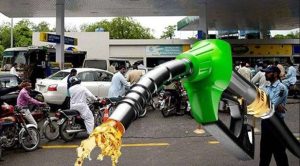
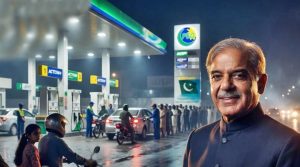
The prime minister further stated that the government provided Rs128 billion in relief to the public in petroleum prices, ensuring fuel availability in Pakistan despite shortages seen in other countries. He said timely measures helped meet public expectations and were achieved through teamwork.
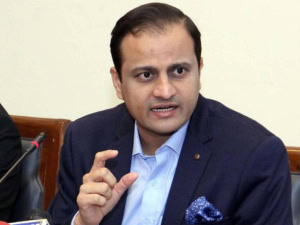
Federal Minister for Planning Ahsan Iqbal said the NEC approved the Public Sector Development Programme (PSDP), setting its size at Rs1,000 billion for the next fiscal year.
Meanwhile, sources said the Economic Survey for the outgoing fiscal year will be released tomorrow after 2pm, presenting the government’s economic performance scorecard for 2025–26.
According to sources, the government has once again failed to meet most economic targets. GDP growth is estimated at 3.7 percent against a target of 4.2 percent, with international institutions including the IMF, World Bank, and ADB also projecting lower growth.
Per capita income targets were also missed. It was set at Rs560,803 but is expected to remain at Rs533,629, while in dollar terms it increased by $150 to reach $1,901.
The agriculture and industrial sectors also fell short of targets. Agriculture grew by 2.89 percent against a target of 4.5 percent, while industrial growth stood at 3.51 percent against a target of 4.30 percent. The services sector, however, is expected to slightly exceed its target, growing at 4.09 percent against a target of 4 percent.
Inflation averaged 7 percent over 11 months, compared to a 7.5 percent target, while in May it surged to 11.66 percent.