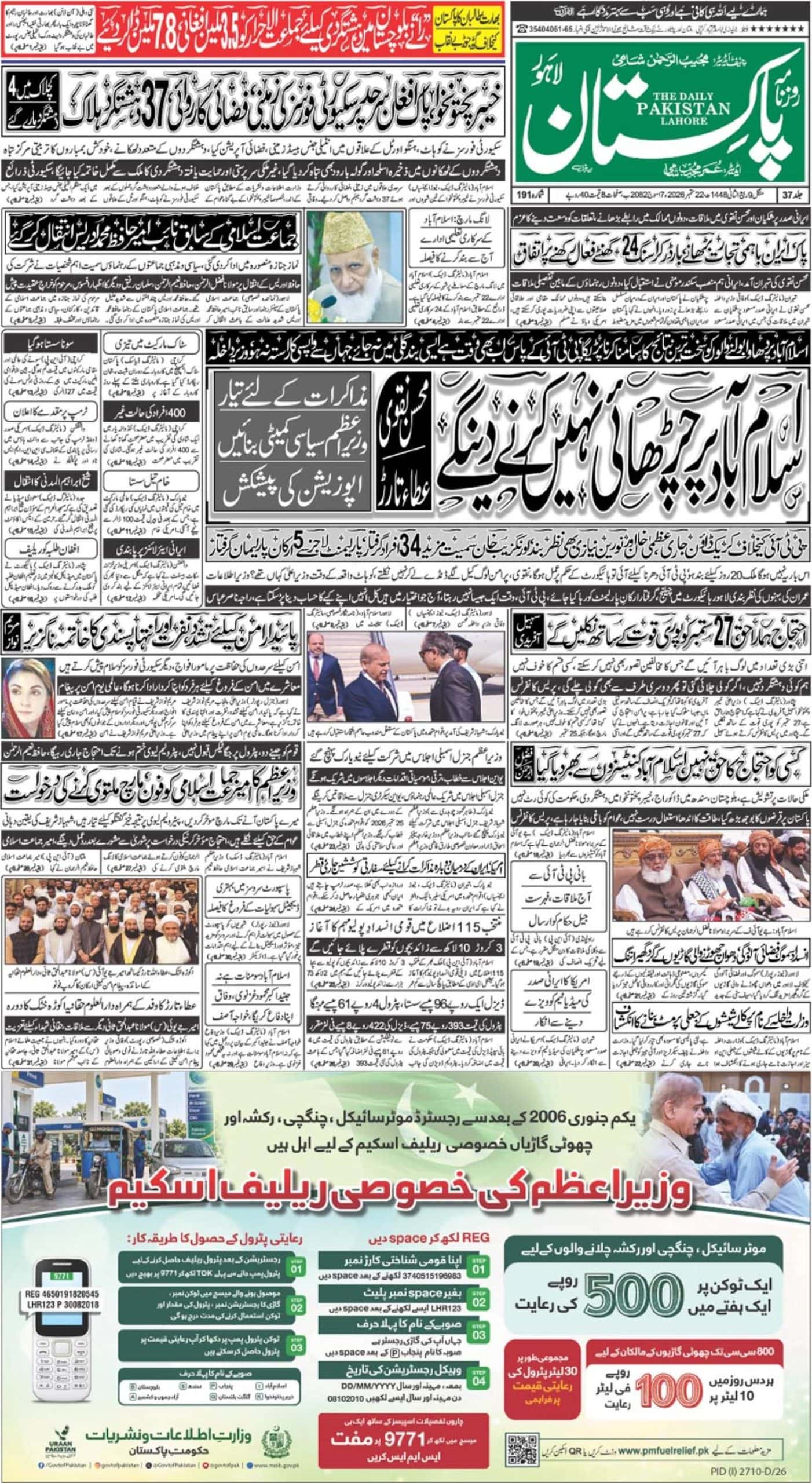
ISLAMABAD – Pakistan stepped up its diplomatic engagement with Iran as Interior Minister Mohsin Naqvi departed for Tehran on Monday for high-level talks at a particularly tense moment in the region.
Naqvi is expected to meet Iranian leaders and senior officials to discuss bilateral relations, the worsening regional security situation and the growing fallout from the Iran-US conflict. Pakistani government sources said the discussions are also expected to cover recent Houthi attacks targeting Saudi Arabia’s oil and economic infrastructure and possible efforts to restart stalled negotiations between Tehran and Washington.
The visit is Naqvi’s sixth trip to Tehran since the US-Israel war against Iran began in February, underscoring Islamabad’s continued diplomatic engagement with Tehran during the conflict.
Naqvi has been involved in Pakistan’s mediation efforts alongside Field Marshal Asim Munir as Islamabad maintains contacts with both Iran and the US. The latest visit comes as the regional crisis expanded beyond the direct Iran-US confrontation. Houthi attacks on Saudi targets have added another flashpoint, with Islamabad warning that the escalation in Yemen could make an already complicated regional situation even more difficult.
However, Tehran has played down speculation that Naqvi is travelling with a specific US message.
Iranian Foreign Ministry spokesperson Esmaeil Baqaei said the visit would primarily focus on bilateral relations and follow-up on understandings between Pakistan and Iran. He said there was no plan for Naqvi to deliver a specific US message or proposal as part of the trip.
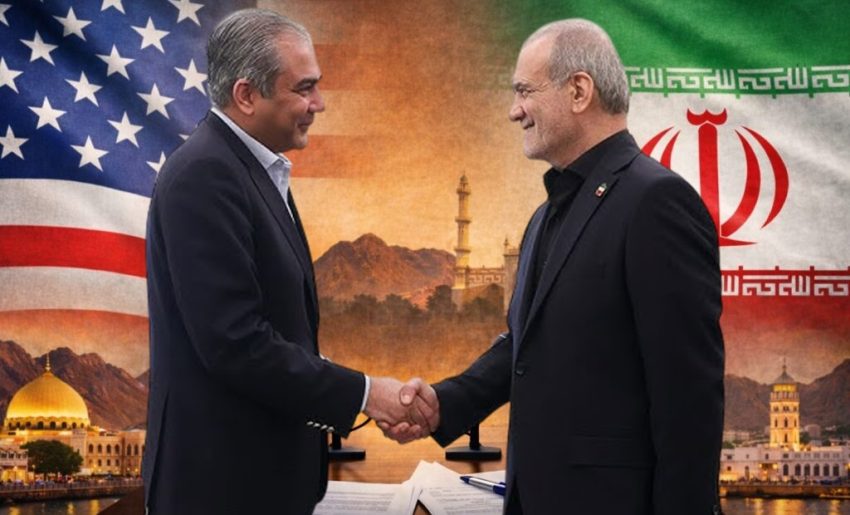
Pakistan’s diplomatic push comes after earlier efforts produced a framework for negotiations between Tehran and Washington. Iran and the United States signed the Islamabad Memorandum of Understanding in June and subsequently began discussions aimed at reaching a broader agreement. Those negotiations later broke down amid disagreements over security guarantees and freedom of navigation through the Strait of Hormuz, a critical artery for global energy shipments and international trade.
The diplomatic impasse was followed by military strikes exchanged between the two sides in July, further raising the stakes of the confrontation.
Iran continued to communicate conditions for reopening the Strait of Hormuz through mediators. Iranian parliament speaker and chief negotiator Mohammad Bagher Ghalibaf said Iran’s conditions had been conveyed to Washington and linked the reopening of the strategic waterway to the fulfilment of Iranian demands and US commitments.
The situation has become even more complicated following attacks by Yemen’s Houthis against Saudi targets. Recent attacks have heightened concerns over Saudi Arabia’s energy infrastructure and regional shipping routes, while the broader conflict has disrupted major maritime corridors, including the Strait of Hormuz and Bab el-Mandeb. Reuters reported that the latest escalation has added to an already severe regional security and energy crisis.
Against this backdrop, Pakistani officials are seeking to keep diplomatic channels open with Tehran while maintaining communication with Washington and addressing Islamabad’s regional security concerns.
US President Donald Trump reportedly puts three possible approaches toward Iran: continuing economic pressure, pursuing regime change, or reaching a negotiated deal.
Pakistan’s role gained inportance during the crisis. After a ceasefire in April, Islamabad hosted the first high-level direct US-Iran talks since the two countries severed diplomatic relations in 1979.