ISLAMABAD — Pakistan’s economic diplomacy with Germany witnessed a key phase, as Berlin urged Islamabad to turn its GSP+ commitments into measurable results.
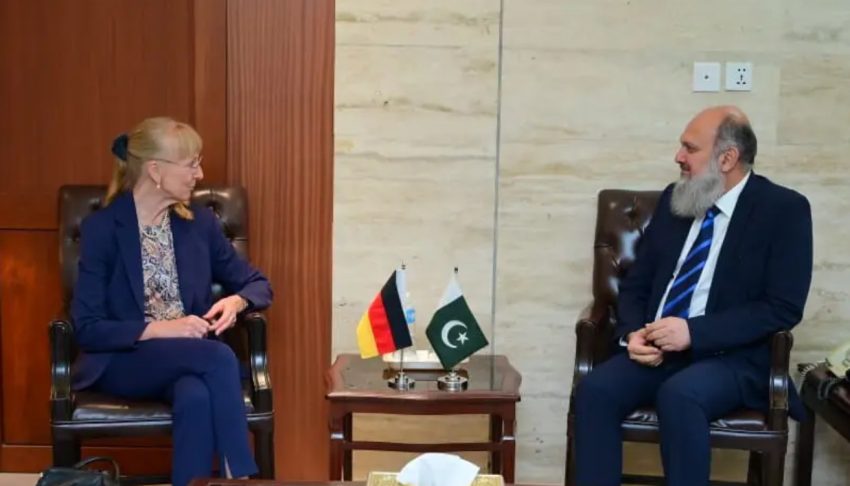
The message emerged during a high-level meeting between Federal Minister for Commerce Jam Kamal Khan and German Ambassador to Pakistan Ina Lepel, where the two sides discussed trade preferences, agricultural exports, geographical indications, investment and opportunities for expanding commercial ties.
At centre of the talks was Pakistan’s future under the European Union’s Generalised Scheme of Preferences Plus, or GSP+, a trade arrangement that provides significant tariff advantages for Pakistani exports entering the European market.
Ambassador Lepel acknowledged Pakistan’s progress in legislation and the development of institutional mechanisms linked to GSP+ commitments. But the German side also made clear that legislation alone will not be enough. The real test, she stressed, will be implementation, measurable progress and tangible improvements for citizens.
Lepel welcomed Pakistan’s preparations for next GSP+ application and stressed importance of stronger coordination between federal and provincial authorities, transparent reporting and timely follow-up on commitments. For Islamabad, the timing could hardly be more important.
EU’s revised GSP framework is scheduled to take effect from January 1, 2027. Under the new system, the number of international conventions linked to GSP+ requirements will rise from 27 to 32, while greater emphasis will be placed on evidence of implementation, measurable targets, action plans and clear timelines.
While Germany stressed the importance of implementation, Pakistan placed another sensitive trade issue on the table — the international status of Basmati rice.
Rana Isaan Afzal, Coordinator to the Prime Minister on Commerce and Industries, briefed Ambassador Lepel on Pakistan’s position regarding India’s application for geographical indication protection for Basmati rice before the European Commission, as well as Pakistan’s own application.
Pakistan’s position is built around historical, legal and commercial arguments, with officials stressing the need to protect the country’s farmers, producers and exporters.
The dispute has major commercial implications. Recognition under geographical indication system can strengthen a product’s identity, market reputation and economic value, while providing greater protection for producers in the areas associated with it.
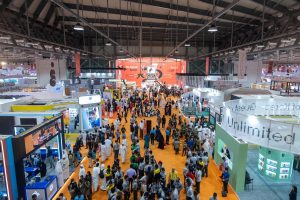
Jam Kamal invited German companies to participate in FoodAg 2026 in Karachi and explore opportunities across Pakistan’s agricultural and food sectors. The areas identified for cooperation include agricultural machinery, food processing, livestock breeding, animal nutrition, testing facilities and value addition.
Pakistan is seeking to attract not only buyers for its agricultural products but also technology, expertise and investment capable of transforming the country’s production and processing capacity.
Ambassador Lepel highlighted potential cooperation in modern agricultural technology, quality assurance, vocational training, research and development and sustainable agricultural practices.
German side also discussed preparations for a Pakistani business delegation to attend a major animal-husbandry trade exhibition in Germany, opening another potential channel for business-to-business cooperation. The focus on livestock, agricultural technology and food processing reflects a broader effort to build economic ties that go beyond conventional merchandise trade.
Pakistan opens door for dual citizenship in Germany; full details here