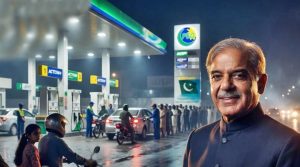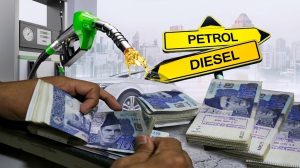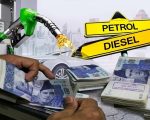
ISLAMABAD – Pakistanis are bracing for another fuel shock as petrol prices are expected to surge sharply, with rates per litre feared to cross the Rs350 mark if the government passes on the rising global oil costs.
Insiders familiar with the development said the federal government moves to shift part of the rising international fuel cost onto consumers while continuing limited subsidies for selected groups, such as bikers and farmers.
The development comes in wake of high-level meeting chaired by Finance Minister Muhammad Aurangzeb, which brought together the chief ministers of all four provinces, KP’s finance minister, and several federal ministers and senior officials. According to a senior official who spoke after the meeting, fuel prices are expected to rise within days, though the exact increase is still being calculated in light of recent global oil price fluctuations.
Officials say the government may pass on most, or possibly the entire, international price impact to consumers, though targeted relief may still be provided to specific groups depending on provincial decisions.
The urgency stems from widening gap between current domestic fuel prices and international import costs. Authorities estimate the difference at around Rs100 per litre for petrol and more than Rs200 per litre for diesel.
It also raised fear whether consumers should absorb the full petrol gap and roughly half of the diesel difference, with final calculations expected from the Petroleum Division and the Oil and Gas Regulatory Authority (Ogra) later this week.
In March 2026, Rs129 billion were spent in subsidies to keep fuel prices lower, and Sharif led government does not intend to exceed Rs158 billion in total support.
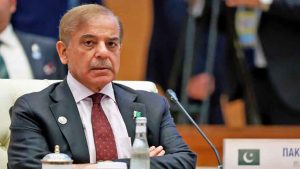
Behind the scenes, discussions within the petroleum and finance ministries indicate that President Asif Ali Zardari and Prime Minister Shehbaz Sharif persuaded provincial governments to share the financial burden of the subsidies, which until now had been largely borne by the federal government.
Under this tentative arrangement, Punjab and Sindh would contribute according to their population share under the NFC formula, while KP and Balochistan would contribute based on their respective fuel consumption levels.
Punjab and Sindh reportedly pushed for fully passing the fuel price increase to consumers while offering direct targeted subsidies to priority sectors only. However, officials warned that such a move could be “politically explosive.”
Global oil prices surged again earlier this week after a short period of decline, making it difficult for authorities to finalise the exact price increase. As a result, provinces have yet to confirm their precise financial contributions.