As I look at the economic tickers flashing across my screen on this second day of January 2026, there is an unfamiliar but long-awaited feeling in the air: hope. For the better part of this decade, veteran commentators like myself have had the grim task of documenting deficits, spiraling prices, and the looming shadow of default. But today, the numbers tell a story we’ve been waiting a long time to hear. We aren’t just scraping by anymore. For the first time in years, Pakistan is firmly back on its feet, and the proof isn’t just in the accountant’s ledgers—it’s in the growing confidence you can feel in the bazaars and on the streets.
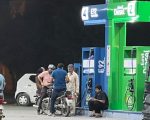
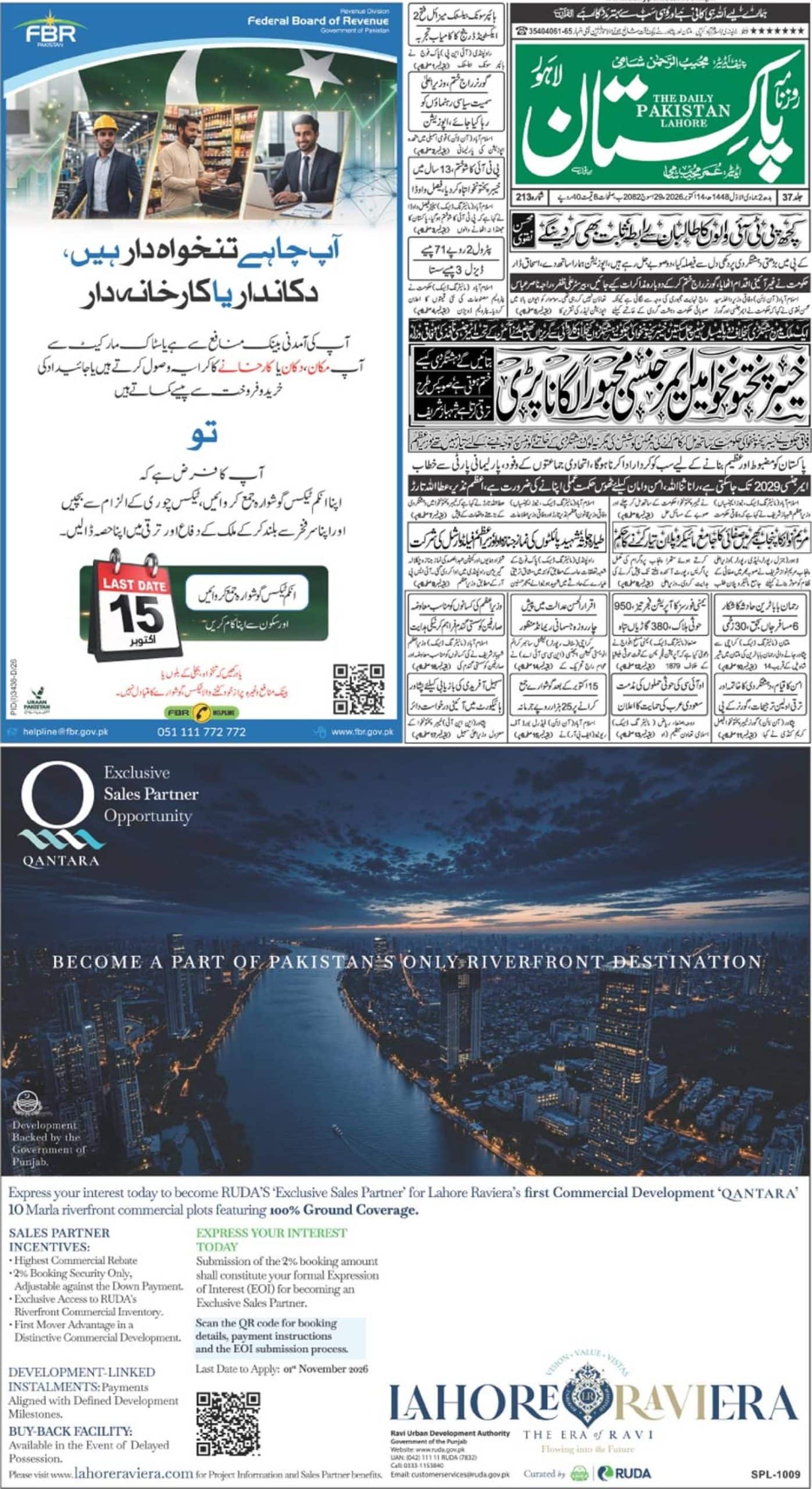
The headline for the common man is immediate, tangible relief. With the government announcing a cut of PKR 8–10 per litre in petrol and diesel prices, the benefit of global stability is finally trickling down to the commuter and the transporter. But the real victory lies in the Consumer Price Index (CPI) numbers. Inflation for December 2025 has eased to 5.6%—a figure that would have seemed like a pipe dream just two years ago when we battled double-digit hyperinflation. Even more critically, food inflation has dropped to 3.5%. This is not just a cold statistic; it is the difference between a family skipping a meal and a family eating three times a day. When the cost of the kitchen stabilizes, society stabilizes.
If you want to know how the world sees us now, look at where the smart money is going. The Pakistan Stock Exchange has not just broken records; it has shattered them, crossing the historic 176,650 barrier with a rally that refuses to slow down. Simultaneously, the State Bank’s reserves have climbed to nearly $16 billion—a massive 36% jump year-on-year. Do you remember the panic of 2023, when we counted our import cover in mere days? Today, we are building buffers. The digital economy is exploding alongside it, with 2.8 billion transactions worth PKR 166 trillion in a single quarter. We are witnessing a silent revolution as Pakistan transforms from a cash-heavy informal economy to a documented, modern financial power.
Perhaps the most telling data, however, comes not from our finance ministry, but from Gallup. For decades, the external narrative has been that our neighbors in India were speeding ahead while we stalled. Yet, the latest global optimism survey for 2026 shows a stunning reversal in public sentiment. Pakistan’s economic optimism stands at 53%, significantly higher than India’s 39%. Even more strikingly, on the index of peace, 52% of Pakistanis are optimistic compared to a dismal 26% in India. One must ask: What is happening across the eastern border that has made their public so despondent, even as their cinema projects invincibility? While India grapples with internal discord, Pakistanis are entering 2026 with renewed faith in their future.
With the State Bank cutting the policy rate to a three-year low—driven by inflation readings beating even Bloomberg’s estimates—we are seeing the dividends of fiscal discipline. But a veteran eye knows that markets can be fickle. As analysts predict inflation stabilizing around 4% by FY27, we must not become complacent. The risks of fiscal slippage and climate change—which has devastated our harvest in the past—remain lurking threats.
So, where do we go from here? We must not view this moment as a finish line, but as a foundation. The $15.92 billion reserve buffer must be used for strategic industrial investment, not squandered on luxury imports. We must cement the digital shift to expand our tax base without burdening the salaried class, and we must climate-proof our agriculture to ensure food prices remain low permanently. The bottom line is simple. With fuel back within reach, the market firing on all cylinders, and inflation finally tamed, we have officially shredded the old ‘Doomsday’ scripts. The world is watching us again, and for the first time in years, the view looks good. Now, the ball is in our court. We have to ensure that 2026 isn’t just a lucky break, but the foundation of a defining decade.