
ISLAMABAD – As regional tensions involving Iran are at an all-time high, and the situation triggered uncertainty around Strait of Hormuz, concerns are mounting that Pakistan’s already limited petroleum imports could face disruption.
A high-level government committee tasked with monitoring petroleum prices and energy security has issued fresh warnings about the volatile regional and global energy landscape, revealing detailed concerns over stock levels, shipping risks, and potential supply disruptions.
The committee conducted an exhaustive review of Pakistan’s petroleum reserves and distribution networks. Officials were briefed on stocks of crude oil and refined products, including petrol, diesel, aviation fuel, and LPG, while also examining consumption trends and the number of days of remaining supply.
Attention was drawn to turbulent conditions in international oil markets, where benchmark prices continue to fluctuate and shipping costs are rising due to insurance pressures and logistical constraints. Participants highlighted growing uncertainties surrounding maritime trade routes, particularly the strategic Strait of Hormuz, a critical artery for global energy shipments whose stability remains in question.
The committee scrutinized developments in LNG and LPG markets. While long-term LNG import agreements remain a cornerstone of Pakistan’s energy framework, officials warned that disruptions in regional shipping could reverberate across global logistics networks. Cross-border LPG inflows are being closely monitored to prevent shortages and ensure uninterrupted domestic availability.
In a bid to fortify energy security, members discussed contingency strategies ranging from international partnerships to alternative procurement routes. Diplomatic and commercial initiatives aimed at securing additional crude and petroleum supplies were emphasized as precautionary measures. Procurement diversification via regional energy hubs—including potential arrangements through ports in the Red Sea and Gulf regions—was also evaluated to sustain refinery operations and shield the country from external shocks.
Energy conservation emerged as another pillar of the government’s broader risk management plan. While supply conditions currently remain stable, officials urged prudent consumption at all levels to bolster national resilience in the event of future disruptions. The committee stressed that responsible energy use would enhance preparedness and reduce vulnerability to global market volatility.
Authorities were further instructed to intensify vigilance against hoarding, diversion, or smuggling of petroleum products—practices that could exacerbate shortages during periods of international uncertainty. Coordination with provincial governments has been strengthened to enhance oversight and enforcement.
The conflict could severely strain region’s petrol supply by threatening stability in the Strait of Hormuz, through which a large share of global oil shipments pass. Any disruption there could block or delay tanker movements, push global crude prices higher, and increase shipping and insurance costs.
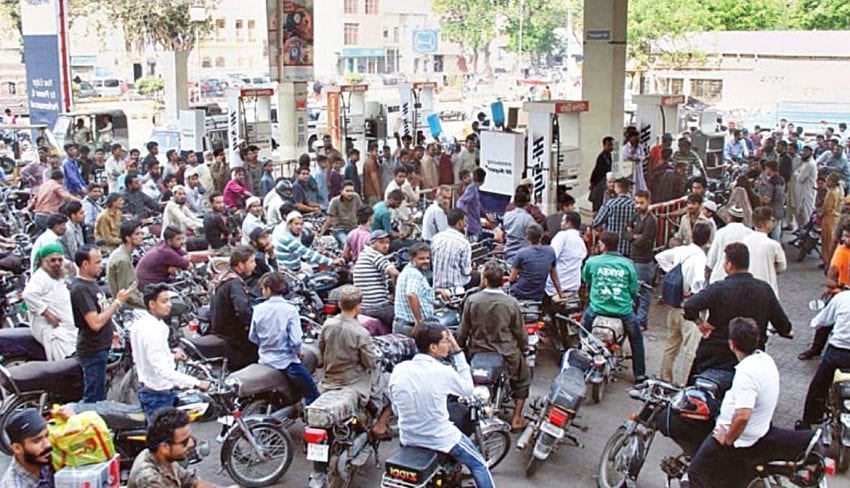
Since Pakistan relies on imported fuel, such conditions would make petroleum more expensive and harder to obtain, heightening the risk of domestic supply pressures or shortages unless alternative arrangements are secured.